
5 Best Alternatives to Seed Oils
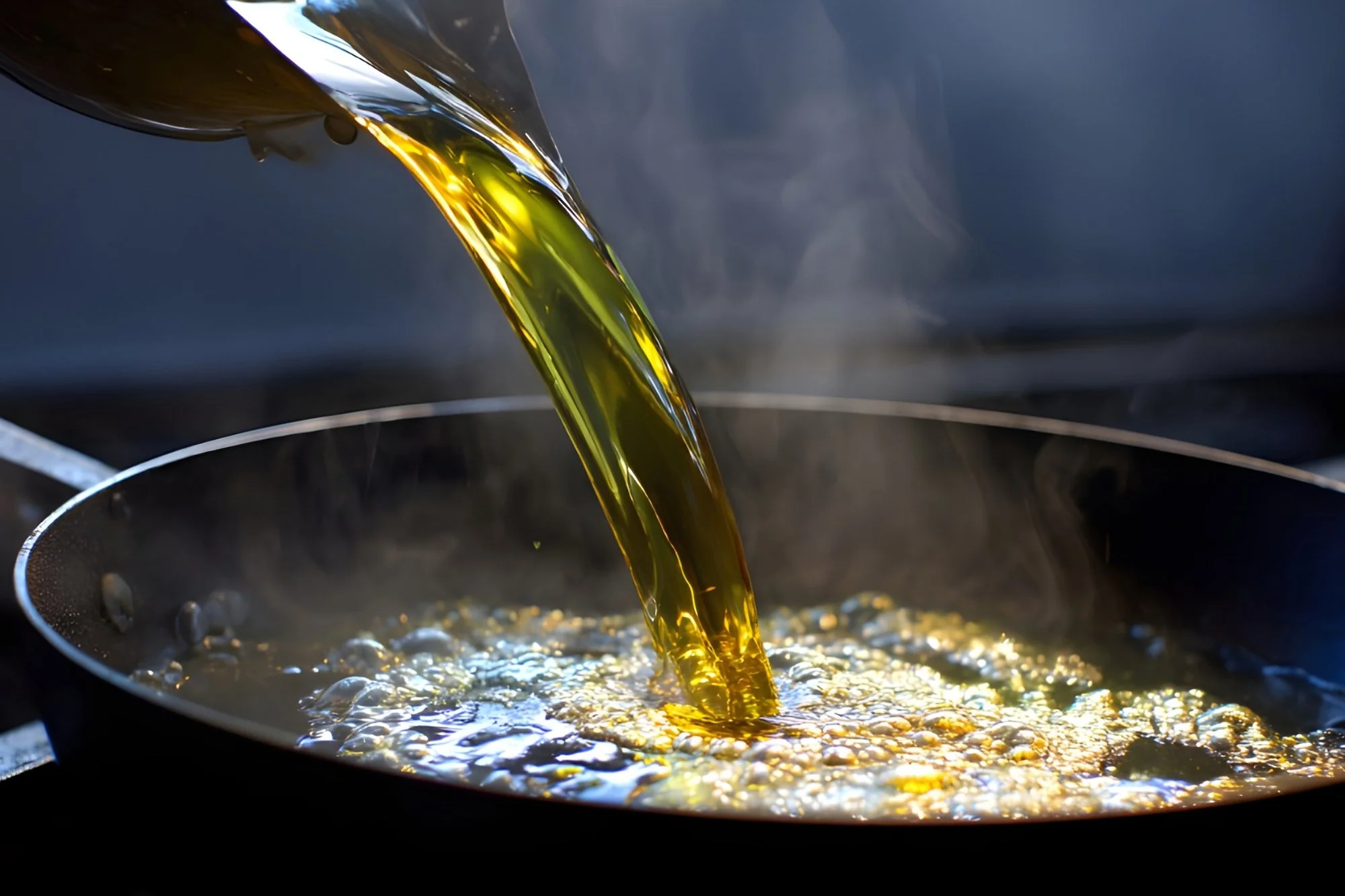
Frying oil
Recently, seed oils have been under serious assault.
It’s not just the MAHA movement, which promotes the use of animal fats over plant-based ones, firing shots at oils extracted from rapeseed, sunflowers, safflowers, cottonseeds and corn. Everyone from Gwyneth Paltrow to social media nutrition influencers is raising questions lately about whether cooking with seed oils does more harm than good.
The issue isn’t the seeds, themselves, says registered dietitian, nutrition coach, and CEO of Inner Health & Wellness, Sahar Berjis. “Whole nuts and seeds come packaged with fiber, antioxidants, and nutrients that help your body process their fats in a balanced way.” Seed oils, on the other hand, are “often heavily processed and concentrated, which changes how your body interacts with them.”

Sahar Berjis, registered dietitian, nutrition coach, and CEO of Inner Health & Wellness
While most anti-seed-oil-activists point to inflammation—the immune system’s response to injury, infection and stress—as a primary reason to avoid them, it’s a theory about which many nutrition scholars are skeptical, since there’s no single test for its identification.
The side-eye seed oils are drawing has, nevertheless, led many restaurant chefs and home cooks to reach for an alternative. Of those, there are a number of options, says Berjis. But not cooking fats all are created equal—and how you use them matters.
We asked Berjis to break down the pros and cons of five of the most commonly used seed oil alternatives, from olive oil (of course!) to lard, beef tallow, and ghee.
Olive Oil

Olive oil is one of the healthiest, most widely available fats on the market. Rich in omegas and antioxidants, extra virgin olive oil has strong anti-inflammatory properties and is considered helpful for the overall maintenance of long-term health, including lending a hand in staving off heart, blood, and neurodegenerative conditions. Read what makes olive oil healthy.
Olive oil is well suited for finishing a dish, using in dressings, or for gently sautéing or grilling. But you may also wonder about frying with olive oil. While extra virgin olive oil has a lower smoke point than more refined olive oil (extra virgin olive oil will begin to smoke somewhere between 350ºF and 410ºF), a 2018 research study concluded that compared with other oils, extra virgin olive oil is actually the most stable oil when heated, even to the high temperature recommended for deep-frying, 356ºF, followed closely by coconut oil and other virgin oils such as avocado and high oleic acid seed oils. The current USDA guidelines also recommend olive oil for deep frying.
Check out budget-friendly brands of extra virgin olive oil. Or find the best olive oils to buy at Whole Foods or the best olive oils to buy at Costco.
Coconut Oil
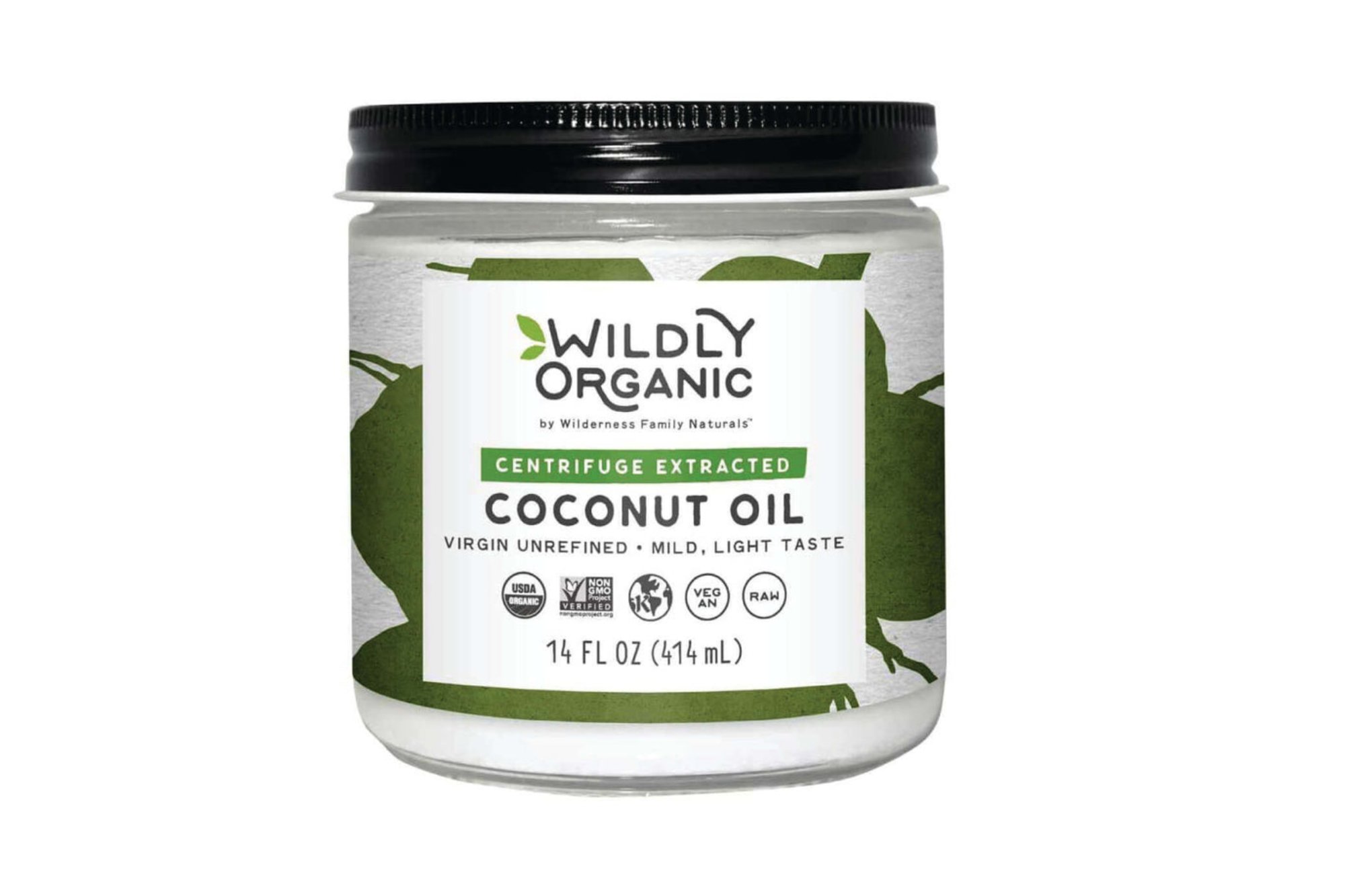
Wildly Organic Coconut Oil
Commonly used in tropical regions worldwide, coconut oil is high in medium-chain triglycerides (MCTs) and lauric acid and has antimicrobial and anti-inflammatory properties. A powerful moisturizer and hair strengthener, coconut oil may also help boost metabolism and cognitive health. It’s also high in both saturated fat and calories, meaning it’s better used as a sometimes food than a daily one.
With its stable fat structure, coconut oil is “better suited for baking than for frying everything in sight,” says Berjis. Since it tends to have a stronger flavor than more neutral oils though, coconut oil often gives whatever you’re cooking a bit of a beachy vibe—which may or may not be what you’re going for.
Recommended brand: Wildly Organic Coconut Oil is available in different styles including centrifuge extracted.
Avocado Oil
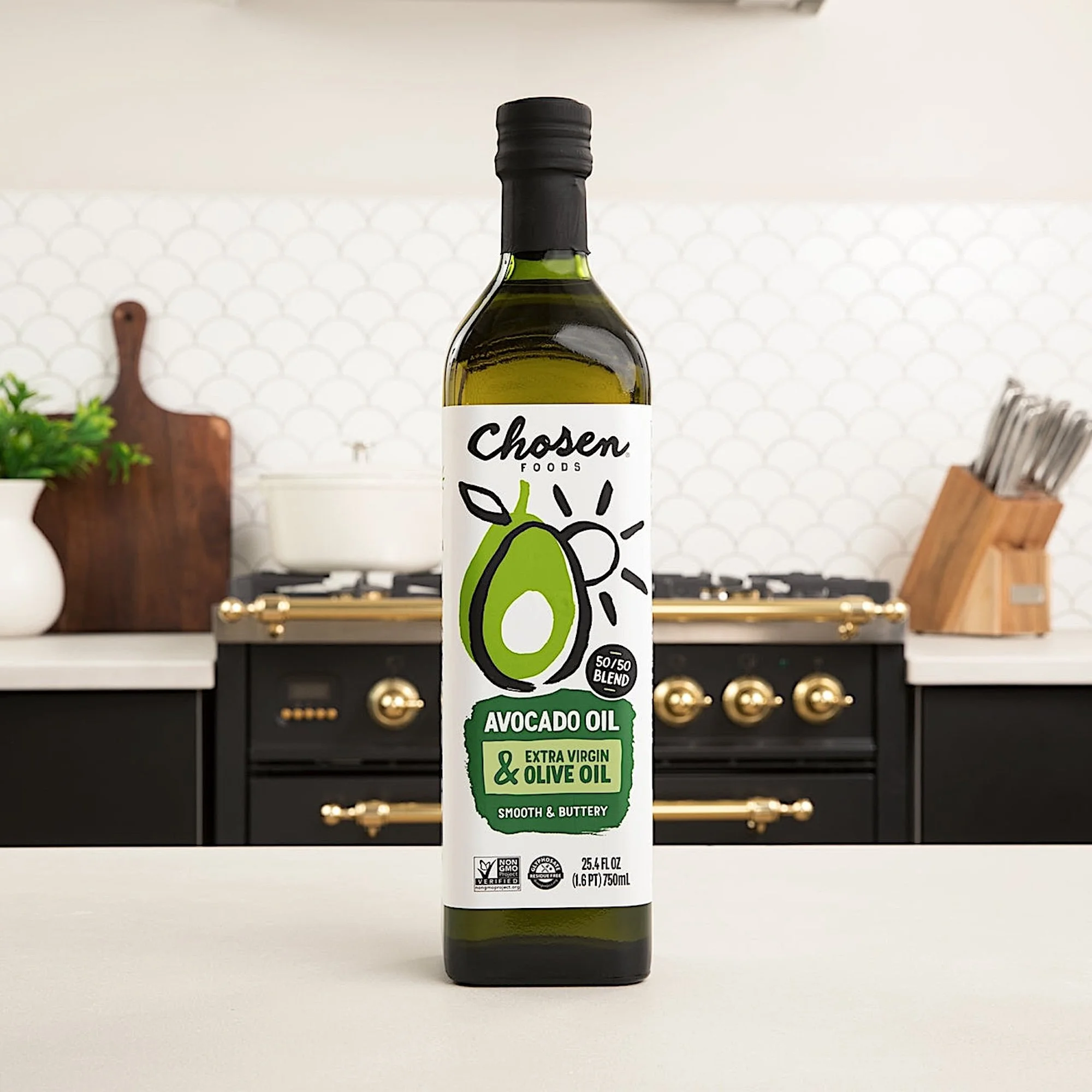
Chosen Foods Avocado Oil
Avocado oil has become something of a darling in the post-seed-oil landscape. That’s partly due to its high levels of antioxidants like oleic acid, lutein, and vitamin E, which promote a healthy heart and the body’s ability to absorb nutrients. But it’s the fact that avocado has a very high smoke point—around 520 degrees Fahrenheit—that makes it all the more appealing. Restaurants, in particular, often turn to avocado oil because it can be used for frying and other forms of high-heat cooking without breaking down.
With increased popularity, however, comes a wider range of avocado oil quality available on the market. Select your brand wisely because “some bottles are better than others,” says Berjis. For the healthiest choice, look for a minimally refined option that’s 100% pure, cold-pressed and extra-virgin.
Recommended brand: Chosen Foods avocado oils are pure and naturally refined and also available in a 50/50 extra virgin olive oil blend.
Lard and Tallow
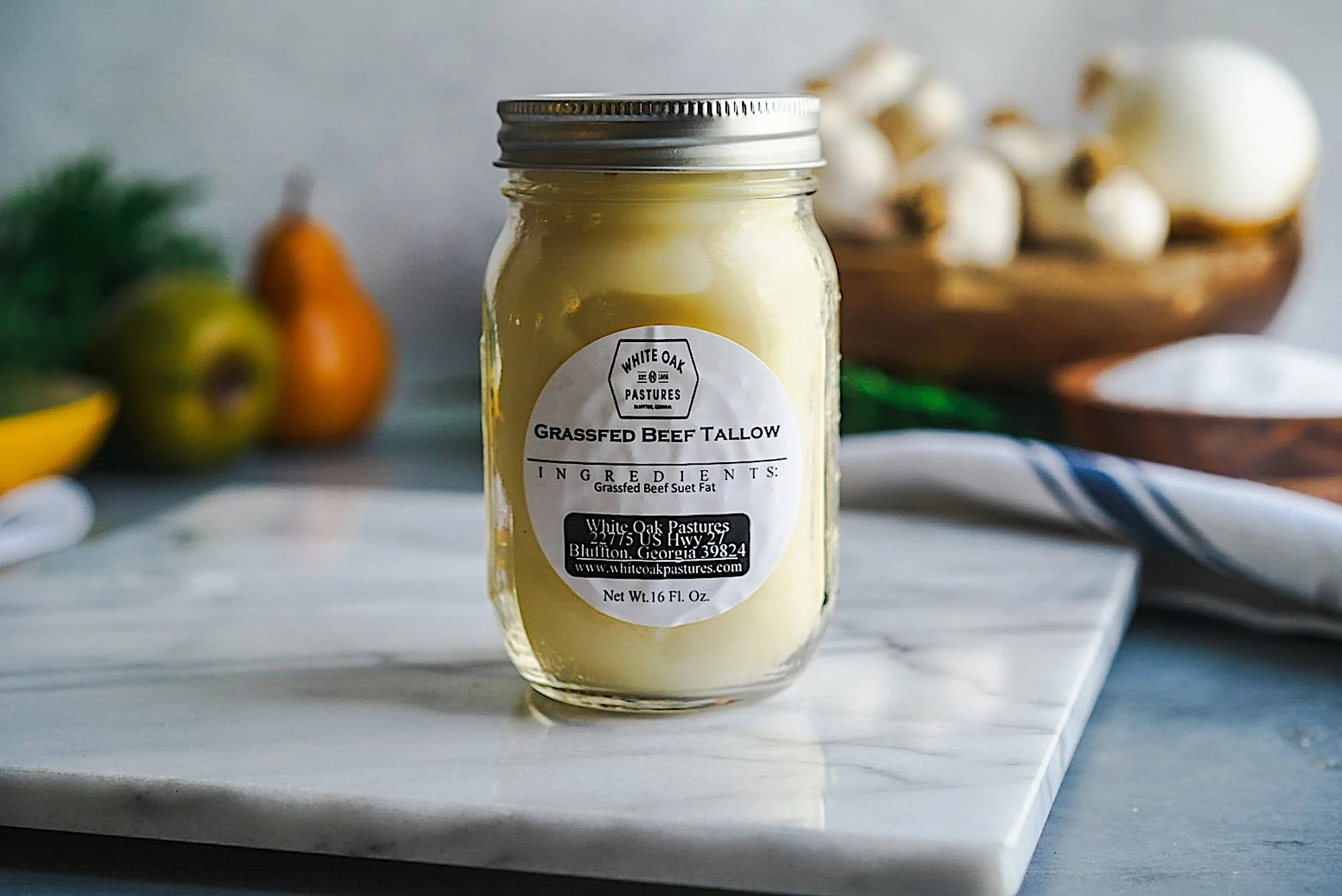
White Oak Pasture Beef tallow
No one who’s ever had French fries cooked in animal fat could possibly argue against its rich, addictive flavor. But while lard and tallow hold up well to high-heat cooking and frying, that heavy flavor isn’t ideal for every dish. More importantly, when used frequently, the high levels of saturated fat in lard and tallow can lead to health issues including arterial blockages, metabolic issues, high cholesterol, and increased risk of heart disease, stroke, obesity and diabetes.
Besides thinking of lard and tallow as a fat to be used in moderation, considering its quality is key. Berjis recommends looking for those made from pasture-raised livestock, which have a higher density of nutrients like vitamins A, D, E and K, and are not hydrogenated or processed the way most industrial forms are.
Recommended brand: White Oak Pastures Grassfed Beef Tallow is produced from pasture raised cows.
Ghee
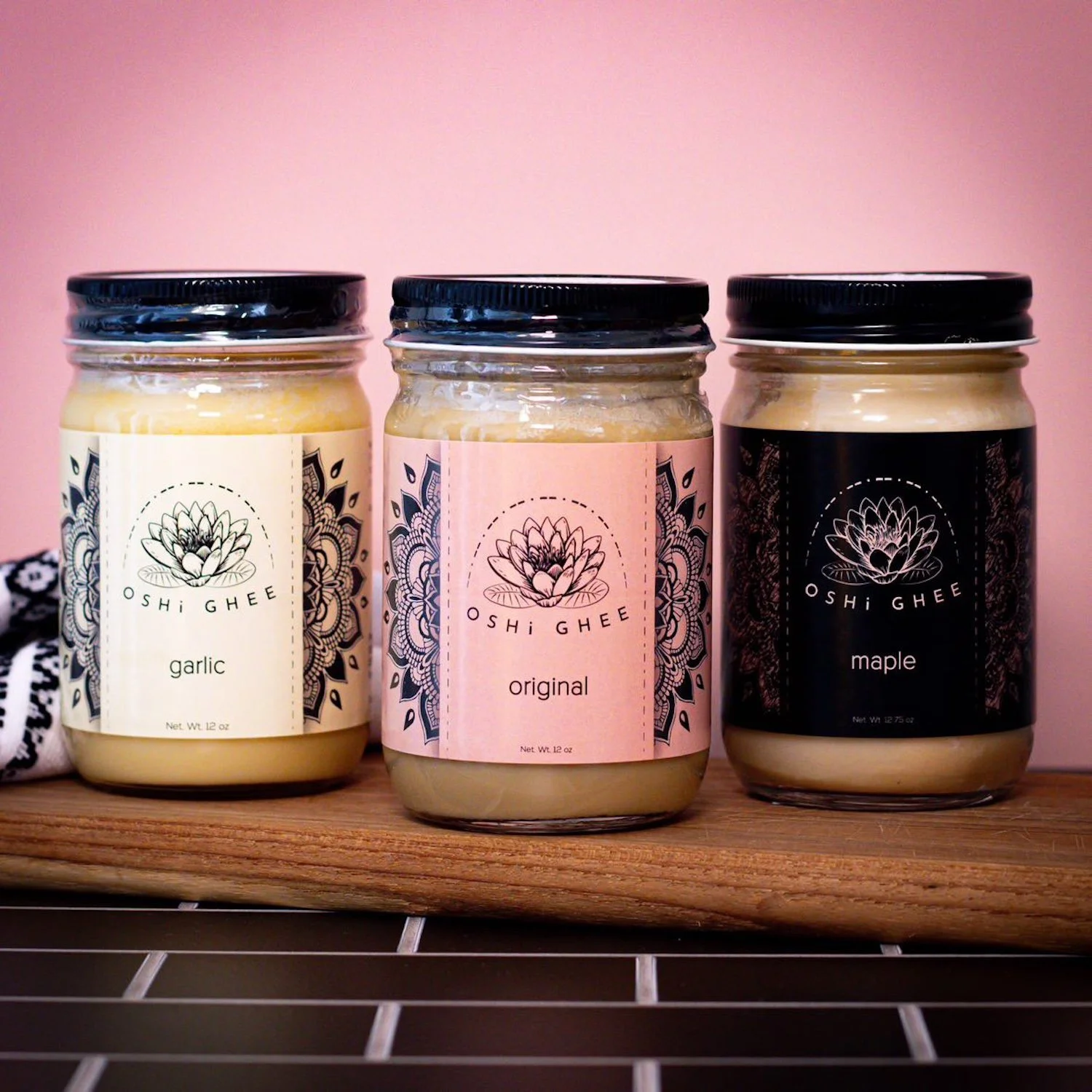
OSHi Ghee
Cooks in India have been using ghee since at least 1500 B.C.E. While butter quickly turns rancid in the hot climates endemic to some regions of the subcontinent, they discovered that ghee—a type of clarified butter simmered to remove its water and milk solids—holds up for longer periods without refrigeration. It’s a process that not only makes ghee lactose-free and gut-friendly, it “makes everything taste like a dream,” says Berjis.
Like avocado oil, lard, and tallow, ghee has a high smoke point, making it ideal for frying or cooking at high temperatures. It can also be used in baking, soups, stews—pretty much anything—to add richness, but moderation is important here too, Berjis continues. Ghee is high in saturated fat and, “like any fat, overheating it repeatedly can lead to less desirable compounds.”
Recommended brand: Oshi Ghee comes in original, garlic and maple flavors.
Don’t cancel all seed oils
While any of these fats can stand in for seed oils, Berjis recommends we refrain from canceling them all. “Sesame oil is amazing for flavor—especially in stir-fries or drizzled over dishes at the end,” she says. “It’s more about using it intentionally. Good nutrition isn’t just science; it's strategy.”