
Wild Olive Oil: The Next Big Thing?
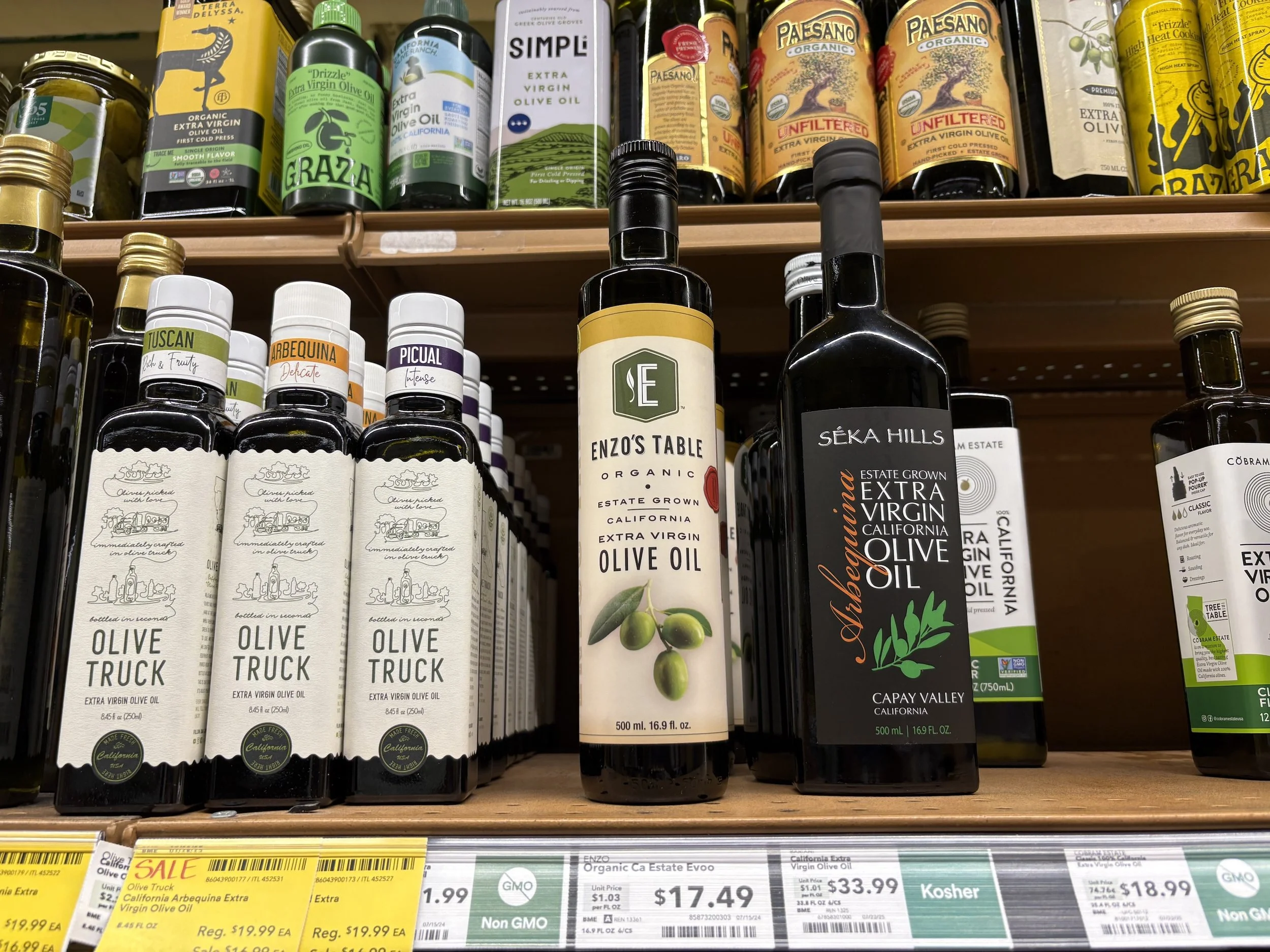
Olive oil bottles on supermarket shelf
Whether buying olive oil for cooking, wellness or both, there's a lot to learn, and it’s important to learn how to shop for it. Beyond checking for bottle materials (dark glass vs clear, or plastic), certifications, harvest or batch dates, and where it comes from, there’s one more category — simultaneously ancient and new — you may have overlooked in your search for an option that offers it all: wild olive oil.
If you’re looking for a super healthy olive oil, you’d do well to understand the nuances of wild olive oil because it influences micronutrients like antioxidants and polyphenols, important compounds thought to effectively reduce inflammation and aid in a host of other health and possibly even lower the risk of dementia. It also boasts intense flavor notes connoisseurs love.
What is Wild Olive Oil?
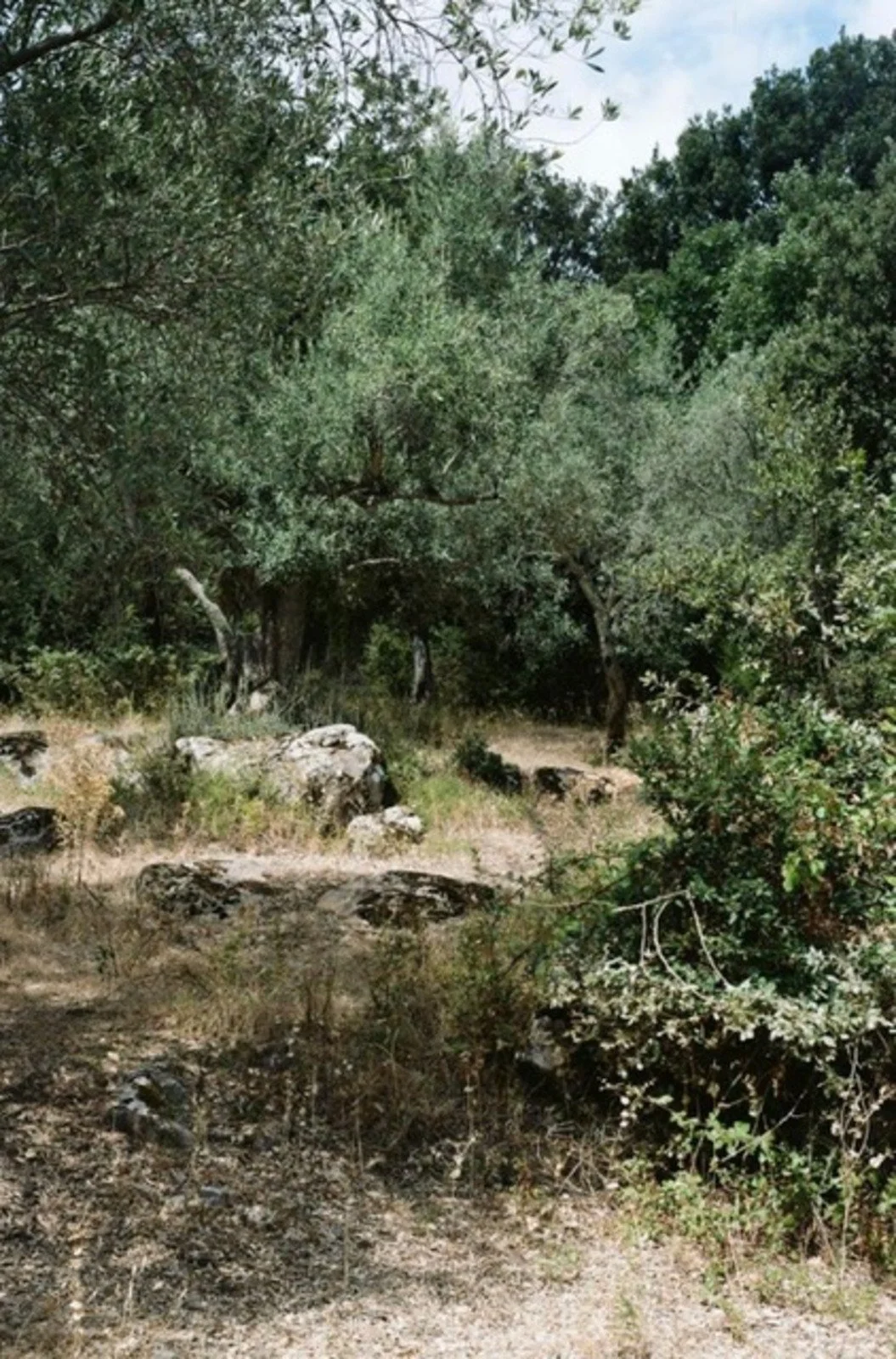
Ozu olive trees photo credit Ozu Olive Oil
Wild olive oil is more-or-less what it sounds like. Rather than being harvested from cultivated orchards where trees are pruned and irrigated, the olives are collected from trees that grow where they please. No one has nurtured, grafted, sprayed, or trained these trees, so what you see is what you get. “These trees, often rooted in rugged terrain, endure natural stressors like heat, drought, and rocky soils,” says Stefanos Loizou, chief revenue officer for medicinal wild olive oil producer Zoefull, “which forces them to produce olives with exceptionally high levels of polyphenols.” Because wild trees receive no irrigation, no fertilization, no pest management, they fight for every drop of water, concentrating their resources into protective compounds that give their oil its distinctive intensity.
The trees that produce these olives are generally smaller and lower yielding than hybrids and cultivars planted in neat orchard rows. They can live hundreds of years and are much more resilient than their cultivated counterparts. According to Franca Corrias, owner of Ozu, an olive oil producer in Sardinia, the resulting olives and their oil are “richer in aroma and with intense, peppery flavors. The oil is more complex, reflecting the wild nature of the terrain.”
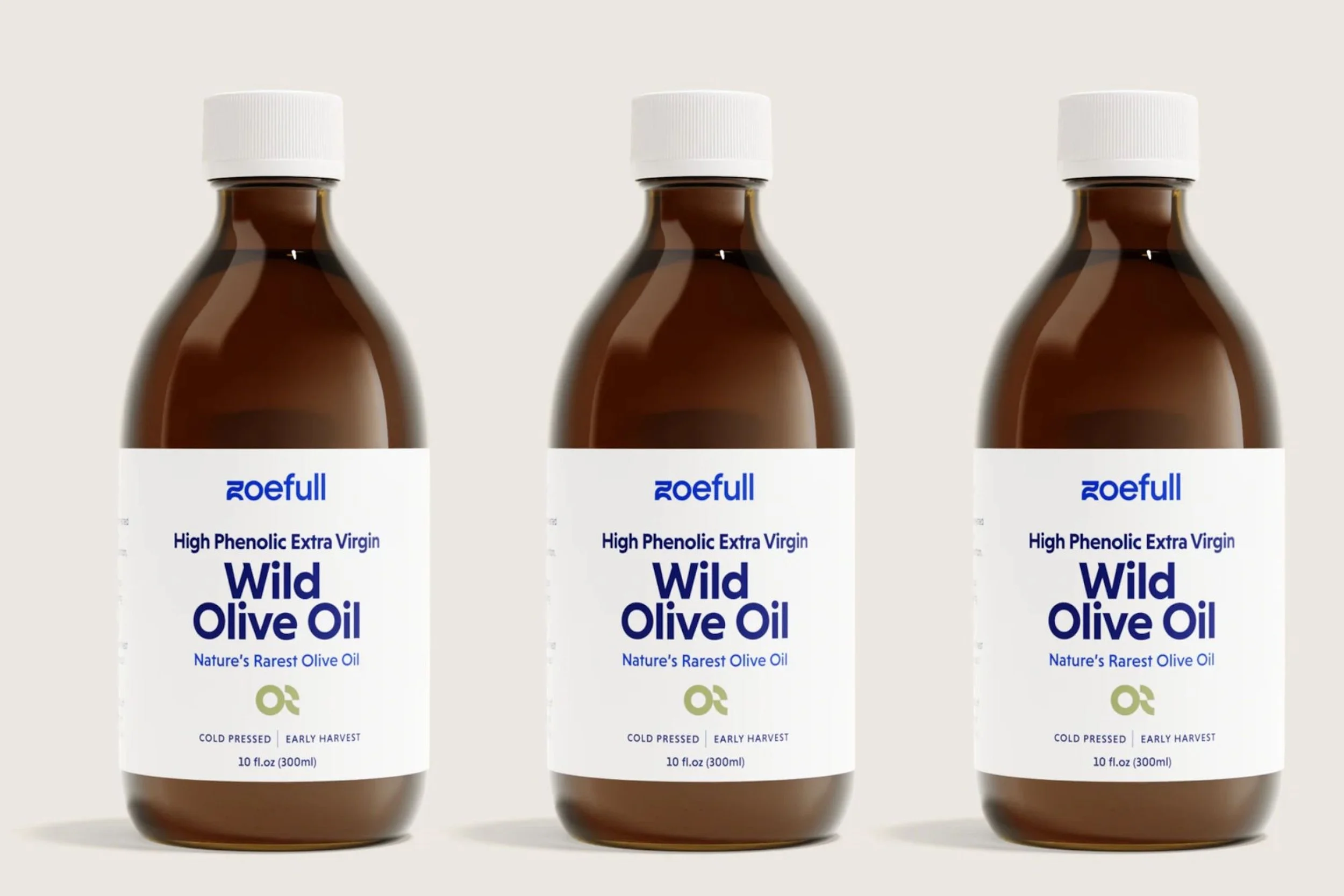
Zoeful Wild Olive Oil
And it turns out wild olive oil may be even more useful than your average early harvested EVOO when it comes to polyphenol levels: Most commercial EVOOs have phenolic levels of 100 to 250 milligrams per kilogram. While a self-described “ultra-high phenolic” EVOO brand like Zoi from Laconiko comes in at about 1,397 mg/kg of polyphenols, Zoefull’s Wild Olive Oil claims to have been test at 1796 mg/kg. In Processing Effect and Characterization of Olive Oils from Spanish Wild Olive Trees (Olea europaea var. sylvestris) researchers at the University of Jaén in Spain documented polyphenol concentrations in wild olive oil that run two to three times higher than in premium extra-virgin oils from cultivated trees and believe it to be "commercially viable."
Ancient Trees, Modern Farming
As you might imagine, there aren’t a lot of olive oil companies willing to sacrifice the scale and convenience of orchard harvests to pursue wild olive oil. Even the brands that make wild olive oil do so as a small portion of their portfolio. As a result, there is a dichotomy in how the oils are marketed: As an ancient tradition, emphasizing terroir, heritage, and flavor on one end, and on the other as a modern wellness supplement in sleek, spa-ready packaging. Currently, wild olive oils are available in the US from Italy, Spain and Greece but there might be offerings from other regions if the category takes off and if groves of wild olives are found elsewhere.
Family Tradition and Wild Sardinian Olive Trees

Franca Corrias Ozu photo credit Ozu Olive Oil
“For more than five generations, my family has been dedicated to making olive oil,” says Corrias. She launched Ozu on her family’s farms, located amidst the rugged volcanic hills of Montiferru, Sardinia. About 20 hectares are dedicated to olive groves. “Among those, we cultivate several native Sardinian varieties, including Tonda di Cagliari, Semidana, and Bosana.” In 2017 the company began producing oil from these wild groves. While it’s not yet commercially available, Ozu is working on developing a unique label around wild olive oil.
“Its use is similar to extra virgin olive oil from domesticated olive trees,” says Corrias. Her family drizzles wild olive oil over fresh-baked bread and grilled vegetables. “Just a few drops added to dips or hearty bean soups create a true explosion of flavor.” But she also notes it’s an excellent moisturizer thanks to the high polyphenol content. “Our goal is to create an exclusive line that communicates the value and rarity of this oil.”
A Focus on Wellness
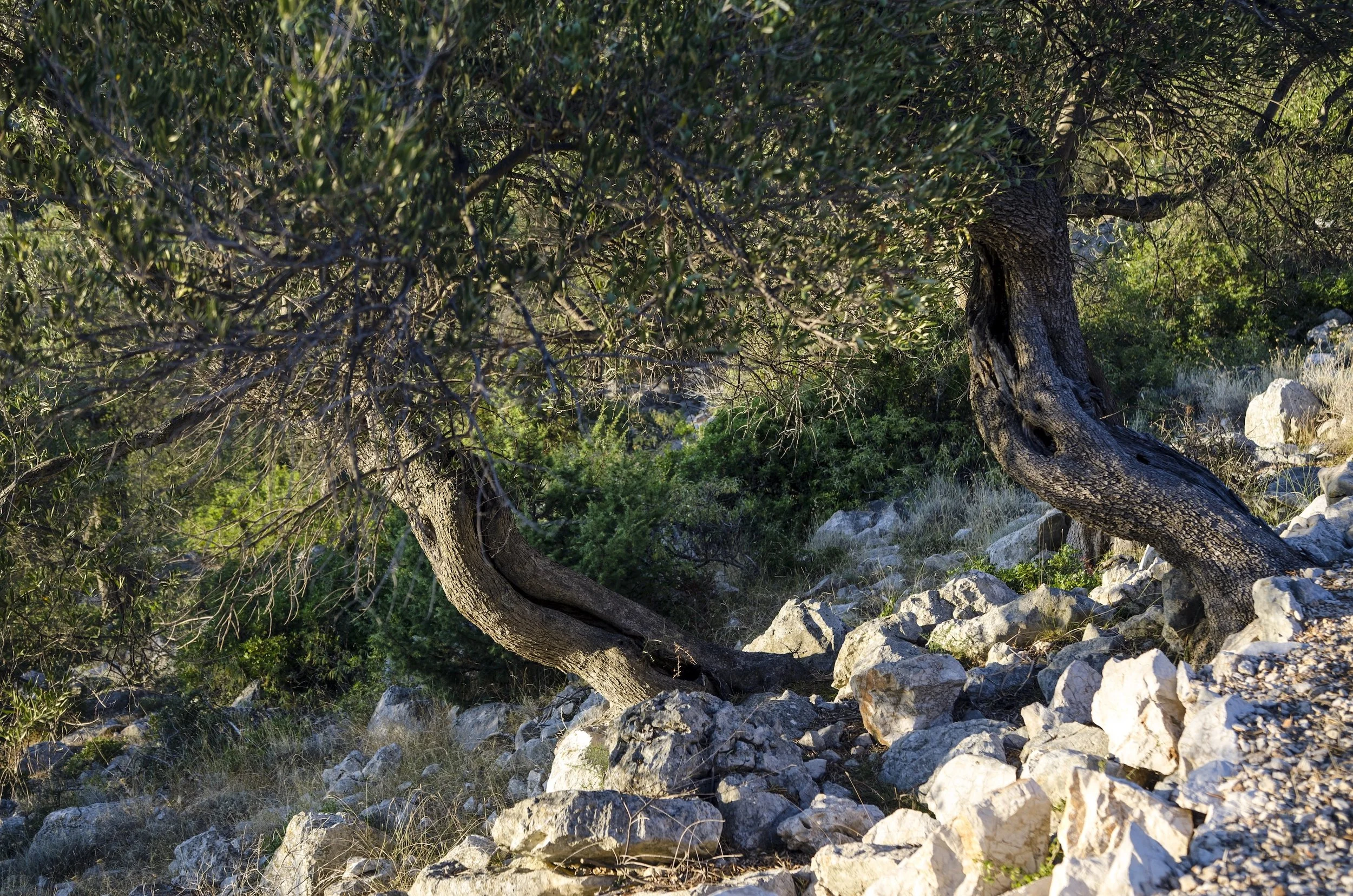
Wild olive trees photo credit depositphotos
“Wild olive oil comes from ancient, untouched trees that have thrived for centuries,” explains Zoefull’s Loizou. This resilience, combined with carefully timed harvesting, results in the brand’s signature high-phenol oil. “While standard EVOO is already beneficial, wild olive oil contains far greater concentrations of antioxidants, making it closer to a therapeutic supplement than a simple culinary oil." Loizou says the company is positioned to tackle inflammation and marketed to those interested in longevity science and says that despite its long history, wild EVOO has remained under the radar in modern wellness. He recommends it be consumed daily as a morning shot or blended into meals for the greatest impact.
In addition to the wellness framing, Loizou says that wild olive oil’s intense flavor, referred to as "pungency," is a feature, not a bug. It’s what many EVOO connoisseurs are looking for in a high-quality oil: A complex, peppery oil, with a bitter bite, often accompanied by a brief, involuntary cough. “That sharp ‘kick’ in the throat often called the oleocanthal burn is not just sensory, but a marker of its potency, signaling the presence of high polyphenols.”
How to Choose Wild Olive Oils
Harvest date & origin
Ancestral species
Price
Just as reading labels of traditional EVOOs is crucial to determine if you’re really getting what you want, both Corrias and Loizou stress that vigilance is helpful when choosing a wild olive oil. After all, there is no global certification program, and we’re still in the Wild West era when it comes to these oils.
“To ensure transparency and authenticity,” says Corrias, “consumers should check the label for the harvest date, place of origin, and the designation wild.” If you purchase wild olive oil, you want to make sure it is fresh! The polyphenol count decreases with time and later harvested olives are naturally lower in polyphenols. The difference can be as much as 60% more polyphenols in early-harvest olives versus late-harvest olives. Olea sylvestris is the ancestral olive species you want. “This special olive oil should be produced in small batches, processed within 6 to 12 hours of harvest, and certified as strictly extra virgin.”
Keep an eye out for companies that include the term “wild” in their brand name but aren’t actually marketing wild olive oil. While their products may (or may not) be high quality, the fact is they’ve bottled commercially harvested oils from cultivated orchards, and not the hardscrabble hillsides of the Mediterranean. Price can also be a useful indicator: “The rarity and labor-intensive process of harvesting from wild groves explains both its limited availability and the cost,” says Loizou.