
9 Spicy Olive Oils, From Peppery to Chili-Infused

9 spicy (and spiced) olive oils
The first time I tasted an oil made from Argentine Arauco olives, I noticed an almost throat-catching sting in the back of my throat — the kind of heat I’d only associated with chili peppers.

Dr. Nasser Abufarha, founder of Canaan Palestine
“All extra virgin olive oil contains polyphenolic compounds which have qualities that are pungent or astringent that can actually make you cough,” explains Dr. Nasser Abufarha, founder of Canaan Palestine, a fair-trade olive oil exporter.
That sensation is actually a sign of quality. “It’s always a compliment when you can get someone to cough,” adds Skyler Mapes, olive oil sommelier, co-founder of EXAU, and coauthor of The Olive Oil Enthusiast, noting that it signals well-preserved polyphenols.
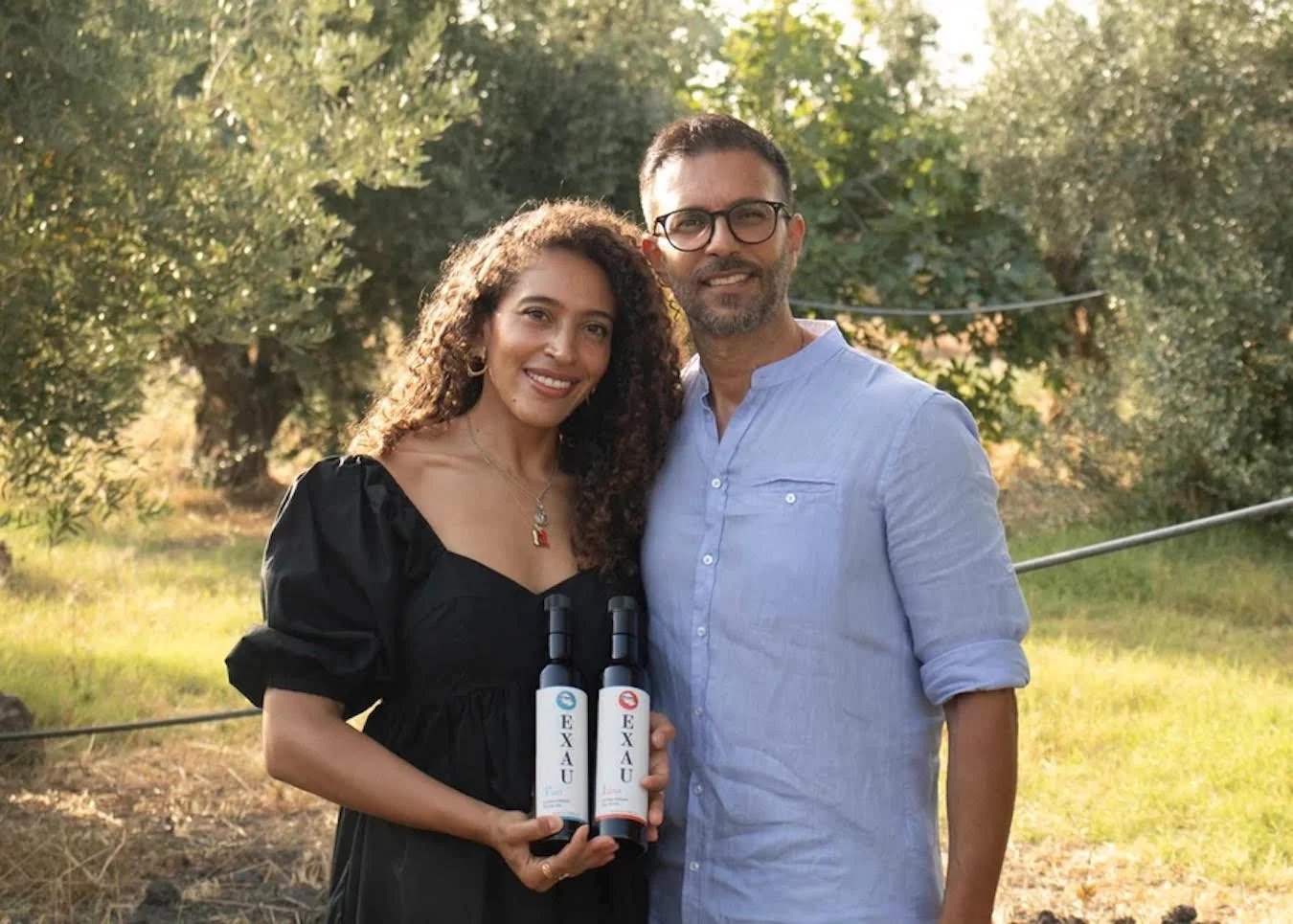
EXAU co-founders Skyler Mapes and Giuseppe Morisani
Those compounds also shape how an oil tastes. “There are polyphenols in particular that are associated with different sensations,” adds Giuseppe Morisani, Mapes’s EXAU co-founder, “like oleuropein, which is connected to bitterness, and oleocanthal, which is connected to spiciness.”
Based on the cultivar, processing, quality control, and harvest timing, olive oils can have varying levels of spiciness, with some oils leaning more buttery and fruity in character. But the potential for spice — without actually adding chili peppers — is always there, and the most antioxidant-rich olive oils will produce a peppery bite.

La Tourangelle CEO Matthieu Kohlmeyer
“Spiciness is a strong indicator of high antioxidant content,” says Matthieu Kohlmeyer, CEO of La Tourangelle, adding that those antioxidants also support heart, brain, and metabolic health.
Of course, adding chiles to the blend brings spice, too — coughing optional. Here are some standout examples across both styles.
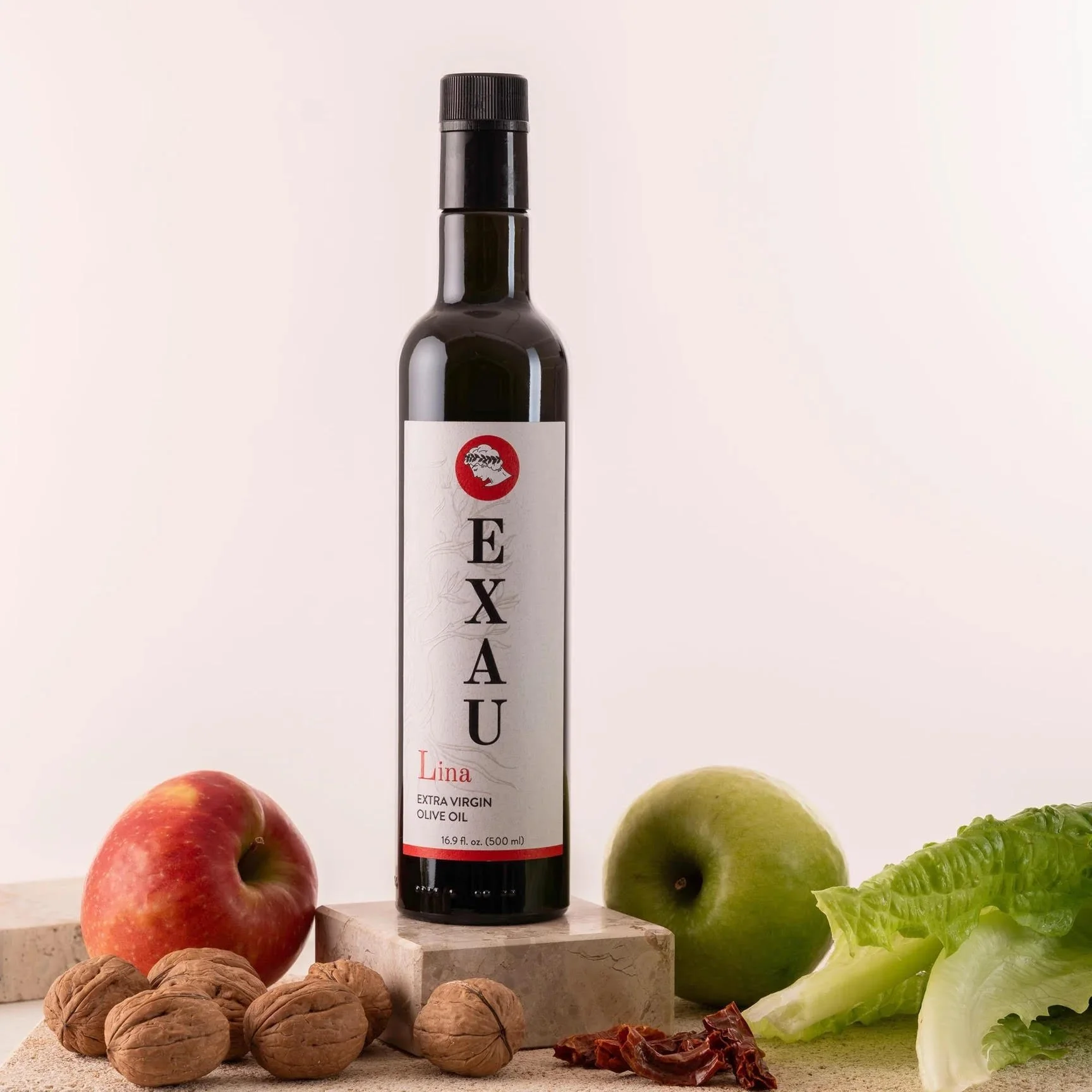
EXAU Lina is made with Tonda and Carolea olives. Photo credit EXAU
Made in Calabria by Mapes and Morisani on Morisani’s multigenerational family farm, EXAU Lina is produced with Tonda and Carolea cultivars. Antioxidants can be measured in extra virgin olive oil and expressed in milligrams per kilogram (mg/kg), with those in the 500 to 1,000 mg/kg range considered ultra-premium, extremely potent, and intense oils. “Every six months we perform a lab test, and in 2024 we reached the level of at least 1,000 mg/kg for each oil we produce,” says Morisani. Lina has an antioxidant content of 1,485 mg/kg, with a finish described as “persistent chicory and spicy pepper.” (Read: two cough.)
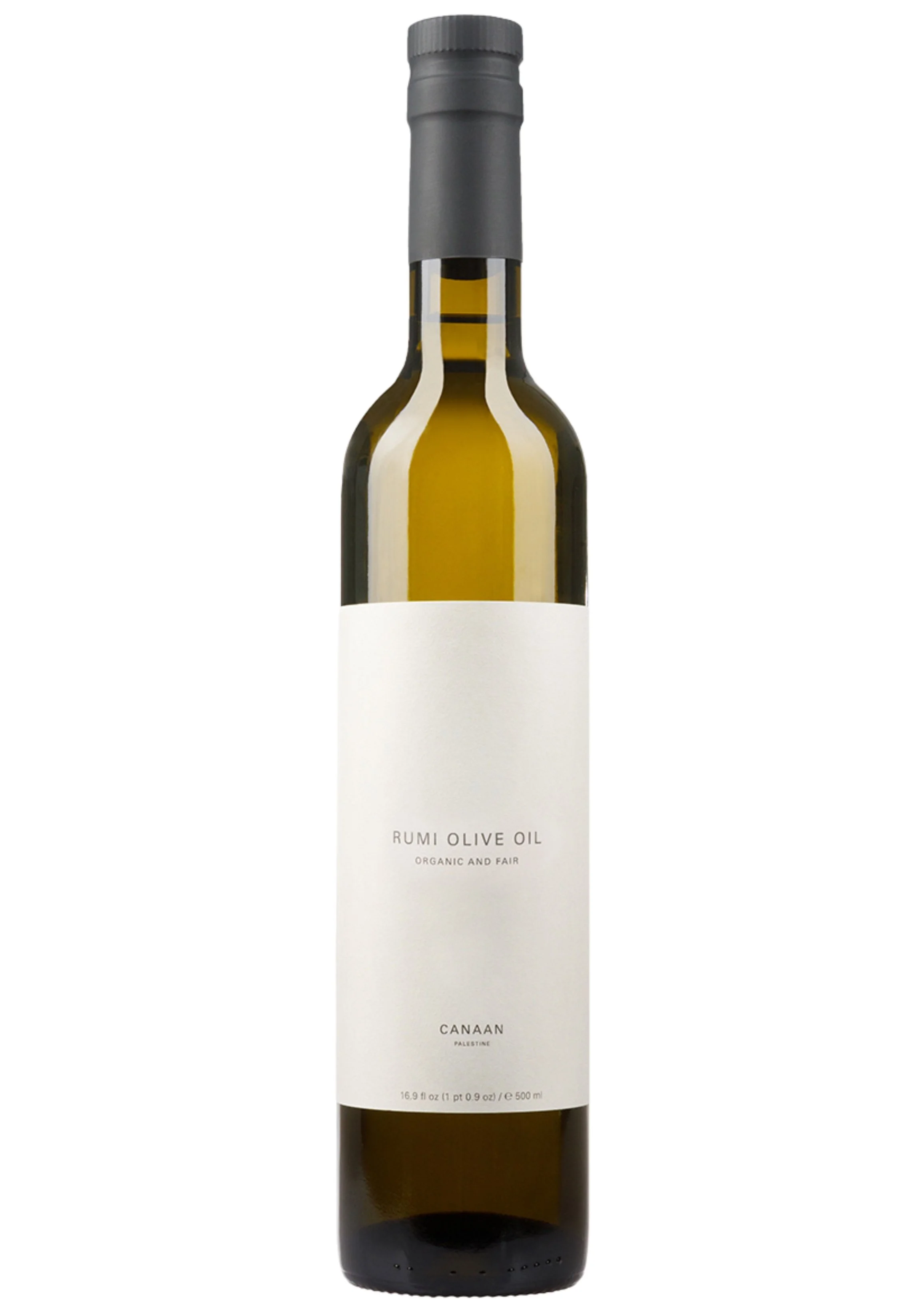
Canaan Rumi Olive Oil. Photo credit Canaan Palestine
Founded by Abufarha, a Palestinian who earned a doctorate in anthropology in the U.S., Canaan Palestine’s oils are sourced from a cooperative of more than 2,400 artisan family farms. Rumi, an indigenous Palestinian olive, produces the most intense oil in the range, described by Canaan as having “a fresh fruity start [that] transcends to tangy, then hints of bitter, and a lingering spicy, peppery finish.”
Bonus spice: Canaan Palestine Chili Olive Oil
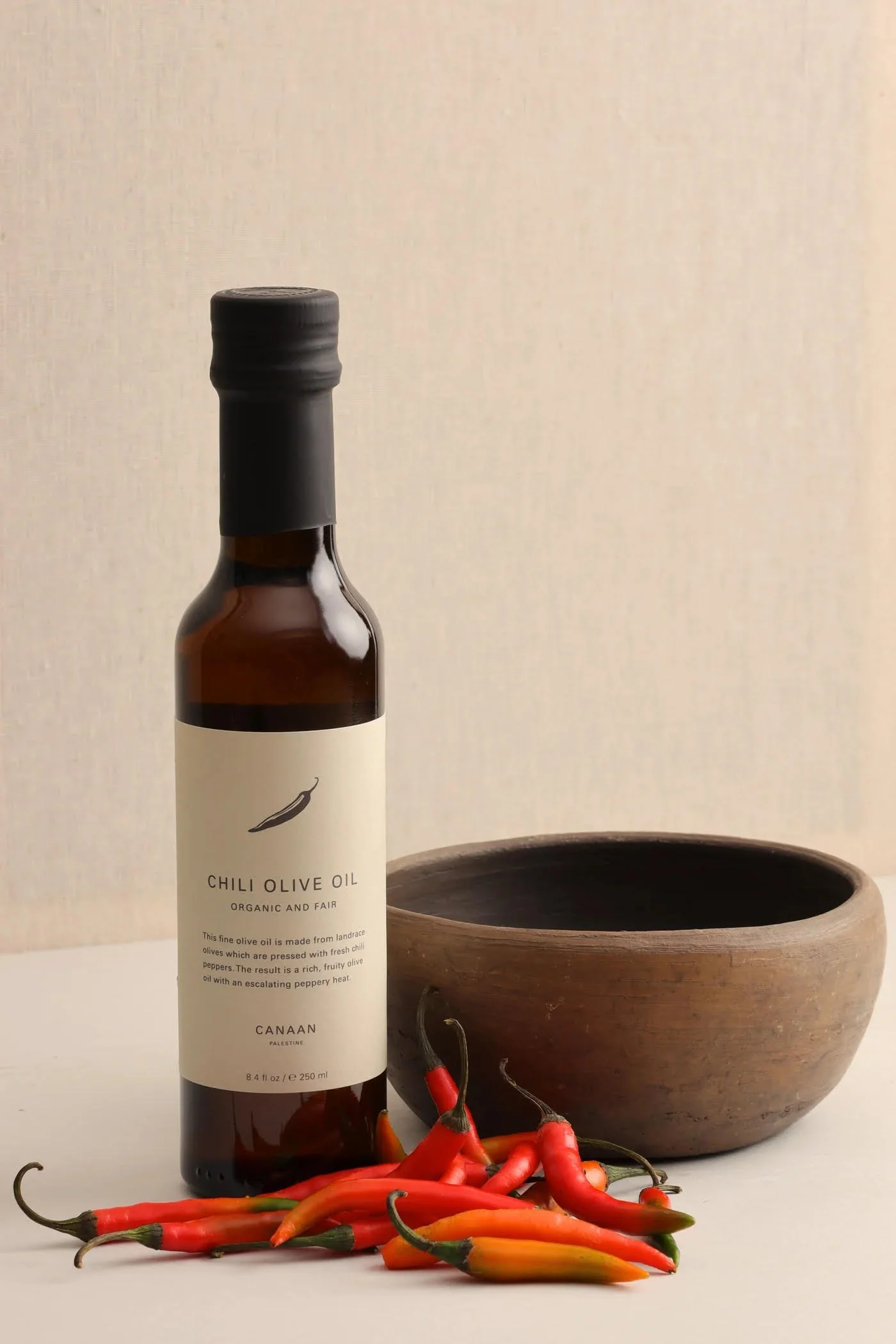
Canaan Chili Olive Oil. Photo credit Canaan Palestine
Made by crushing Souri olives with fresh whole chiles, this oil relies on precise timing so the chiles are fully ripe at harvest. The result delivers both heat and depth of flavor. Abufarha loves it for a variety of uses, such as tossing into tomato salad, adding to pasta sauce, or drizzling over potatoes and roasted vegetables.
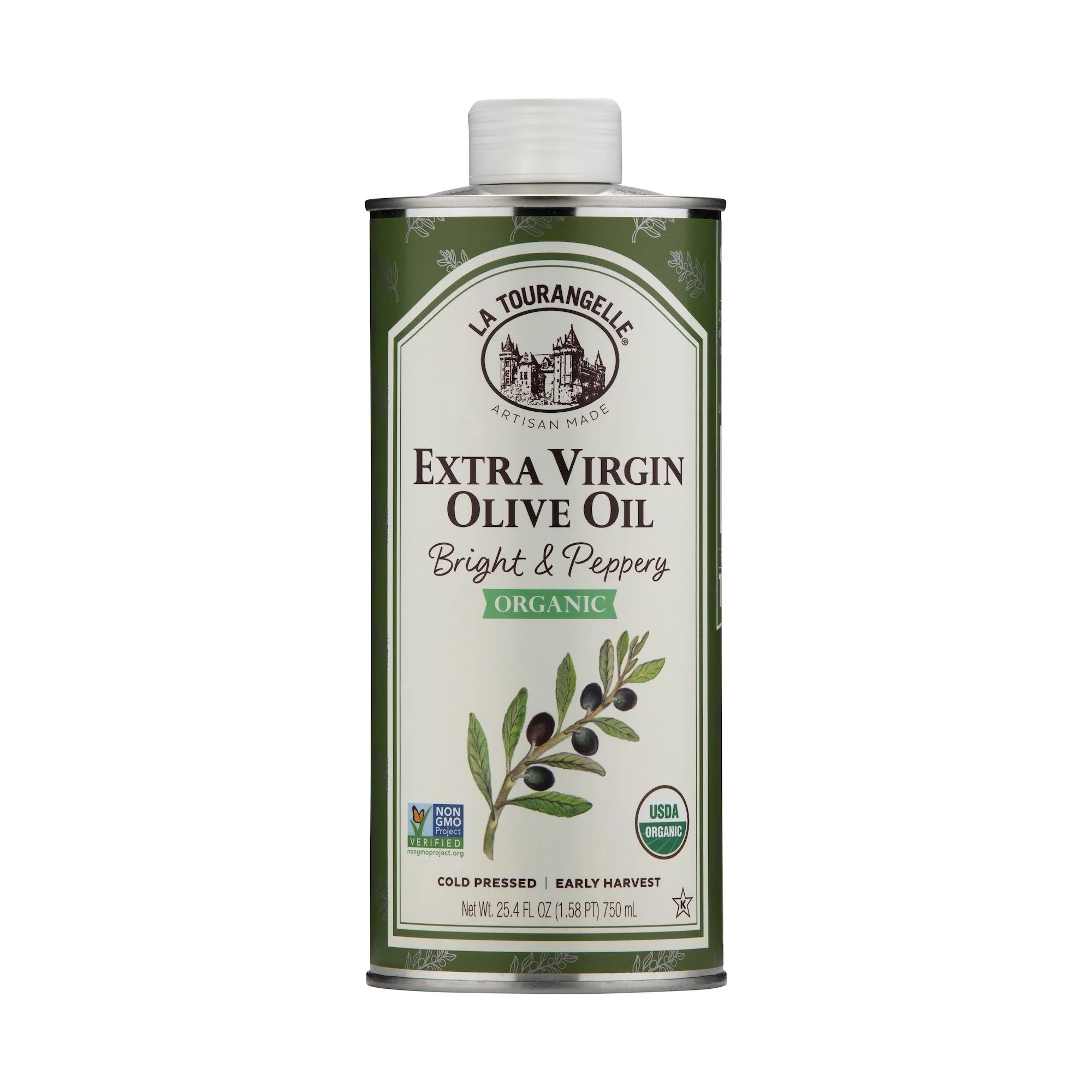
La Tourangelle’s Bright & Peppery. Photo credit La Tourangelle
As is increasingly common, La Tourangelle labels its oils by flavor. Its Bright & Peppery variety gets its profile from Spanish Picual olives. “Spanish Picual olive oil, especially if harvested early in the season and/or grown in a higher altitude, offers naturally high levels of antioxidants,” says Kohlmeyer.
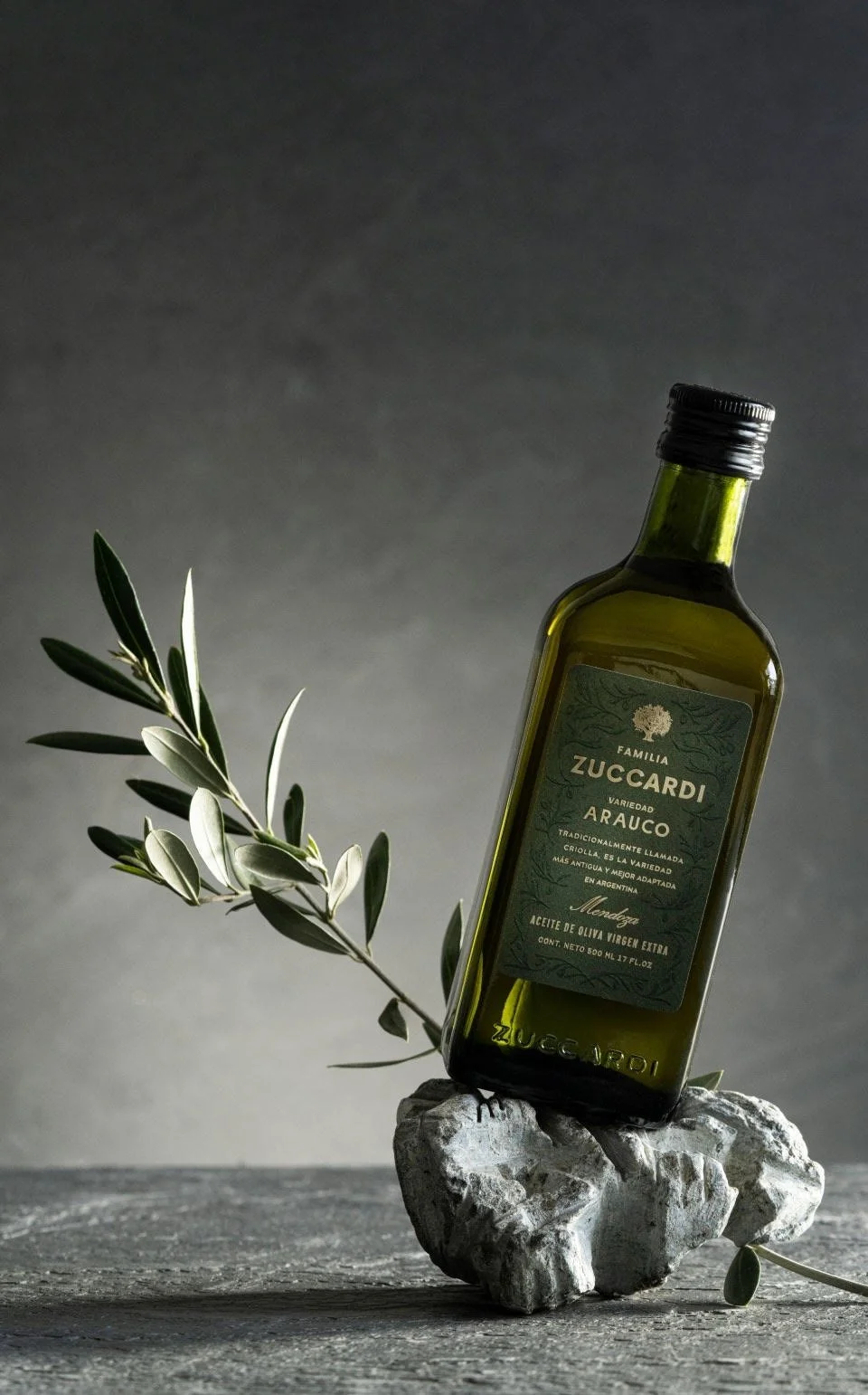
Zuccardi’s Arauco oil. Photo credit: Famiglia Zuccardi
Arauco olives are thought to be native to the Mediterranean but are no longer found there. The cultivar has since been adopted by Chile and Argentina, where it may also be called Criolla. Naturally high in antioxidants — and therefore known for that telltale cough — Arauco produces oils with both bold fruitiness and pronounced spice. Along with its frequently awarded Arauco Extra Virgin Olive Oil, Argentina’s Famiglia Zuccardi produces a line of varietal oils from Genovesa, Picual, and Coratina olives, the latter also known for bringing the heat.
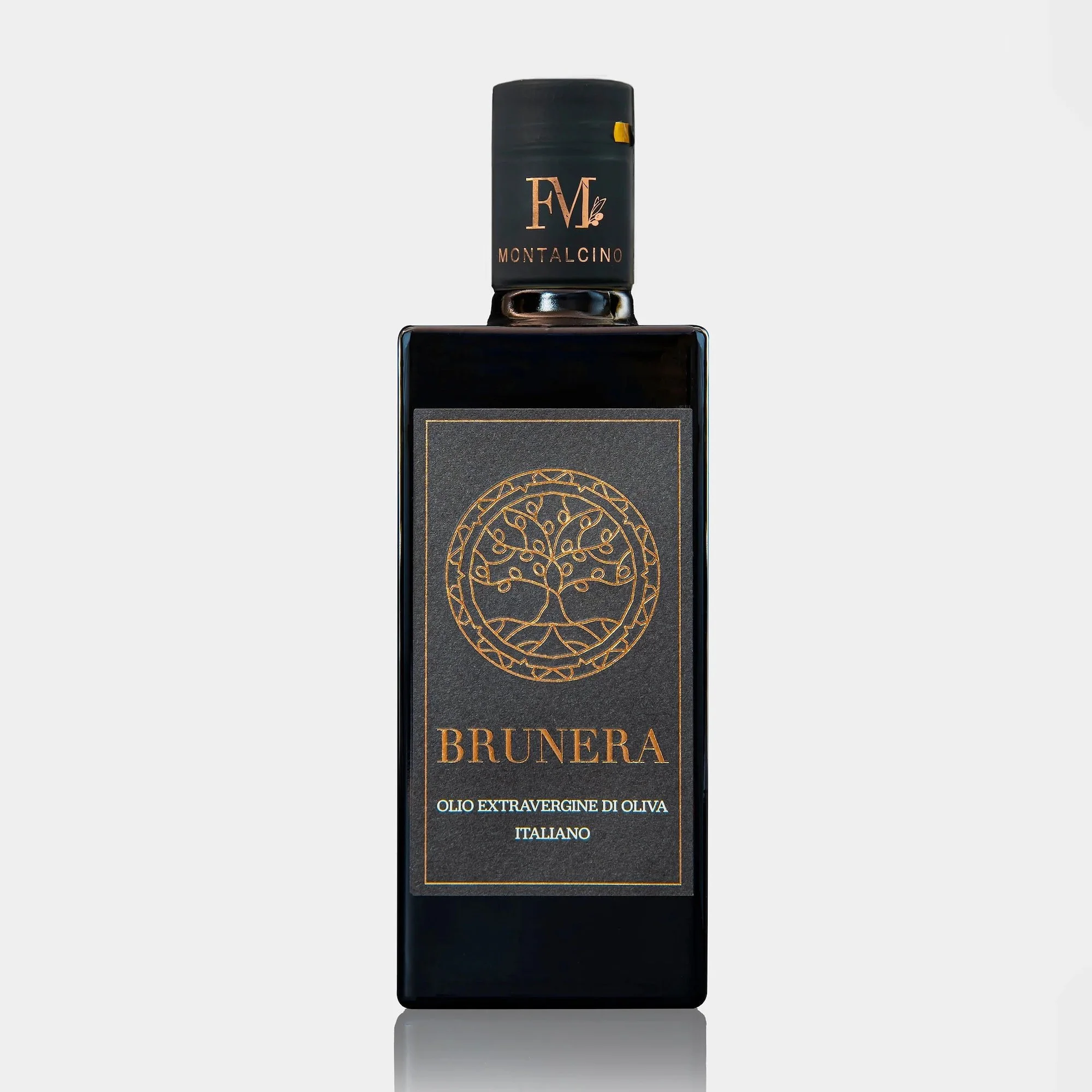
Brunera is made from a blend of up to eight olive cultivars. Photo credit Frantoio di Montalcino
Wine and olive oil often go hand in hand in Mediterranean countries, but Frantoio di Montalcino is a rare dedicated olive oil mill in Tuscany’s Brunello di Montalcino region. The olive oil, made from a blend of up to eight cultivars, brings plenty of spice, with a high polyphenol measure of 1,200 mg/kg. Its intensity is such that the brand suggests using it raw, often with something sweet: as a drizzle for toasted bread, fresh fruit, gelato, and even dark chocolate.
Bonus spice: Frantoio di Montalcino Condimento Peperoncino
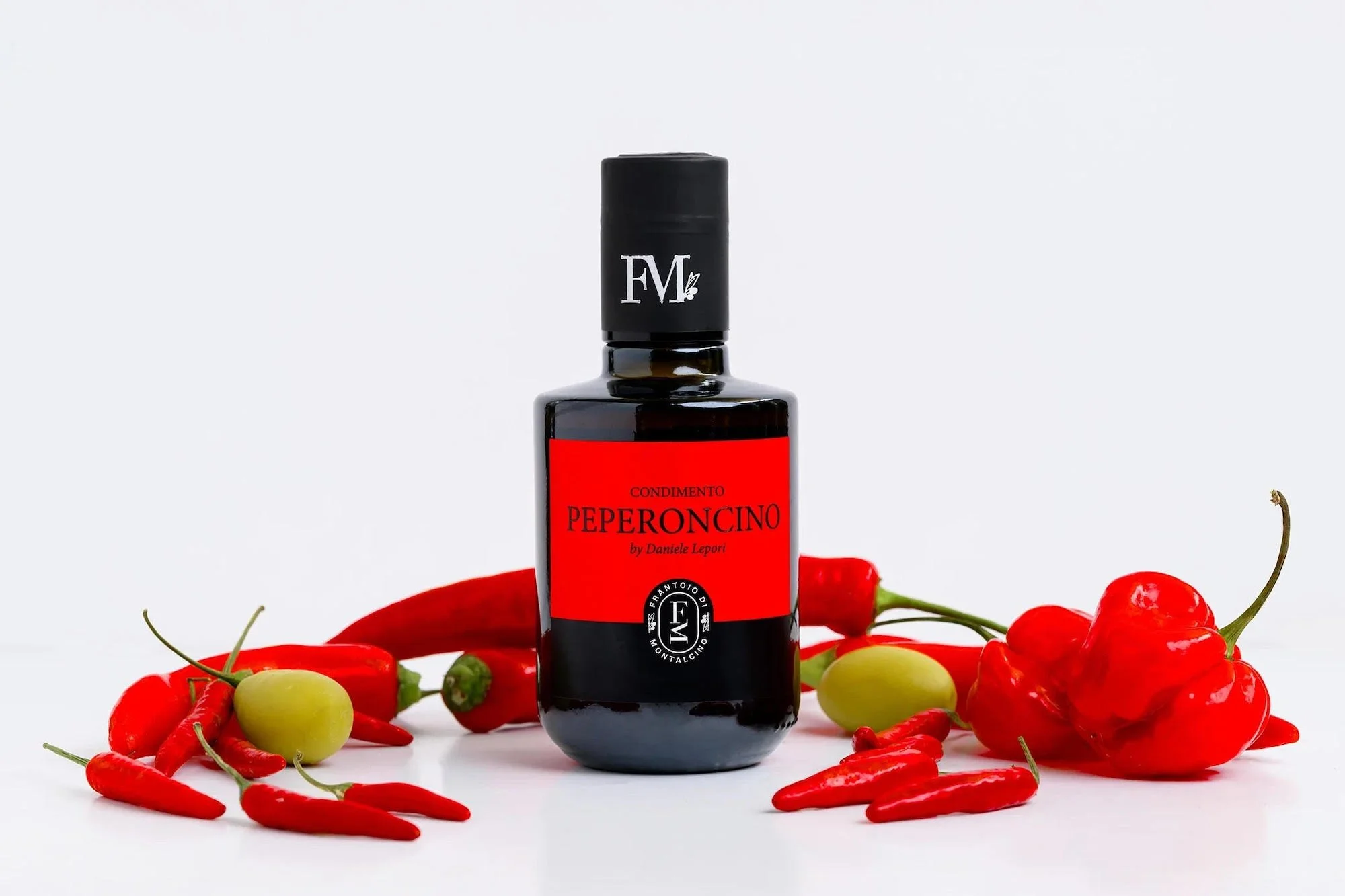
Condimento Peperoncino is made with olive oil and cayenne chiles. Photo credit Frantoio di Montalcino
This spicy “condiment” combines the brand’s Blu Italiano Extra Virgin Olive Oil with 2 percent Tuscan-grown cayenne chili pepper aroma. (Unlike Canaan Palestine’s chili olive oil above, the peppers and olives are not processed together.) With its heat, freshness, and dynamic color, the oil is perfect for barbecue, seafood, or grilled vegetables. Frantoio di Montalcino also makes an Aglio & Peperoncino oil, an arguably perfect pizza condiment if ever there was one.
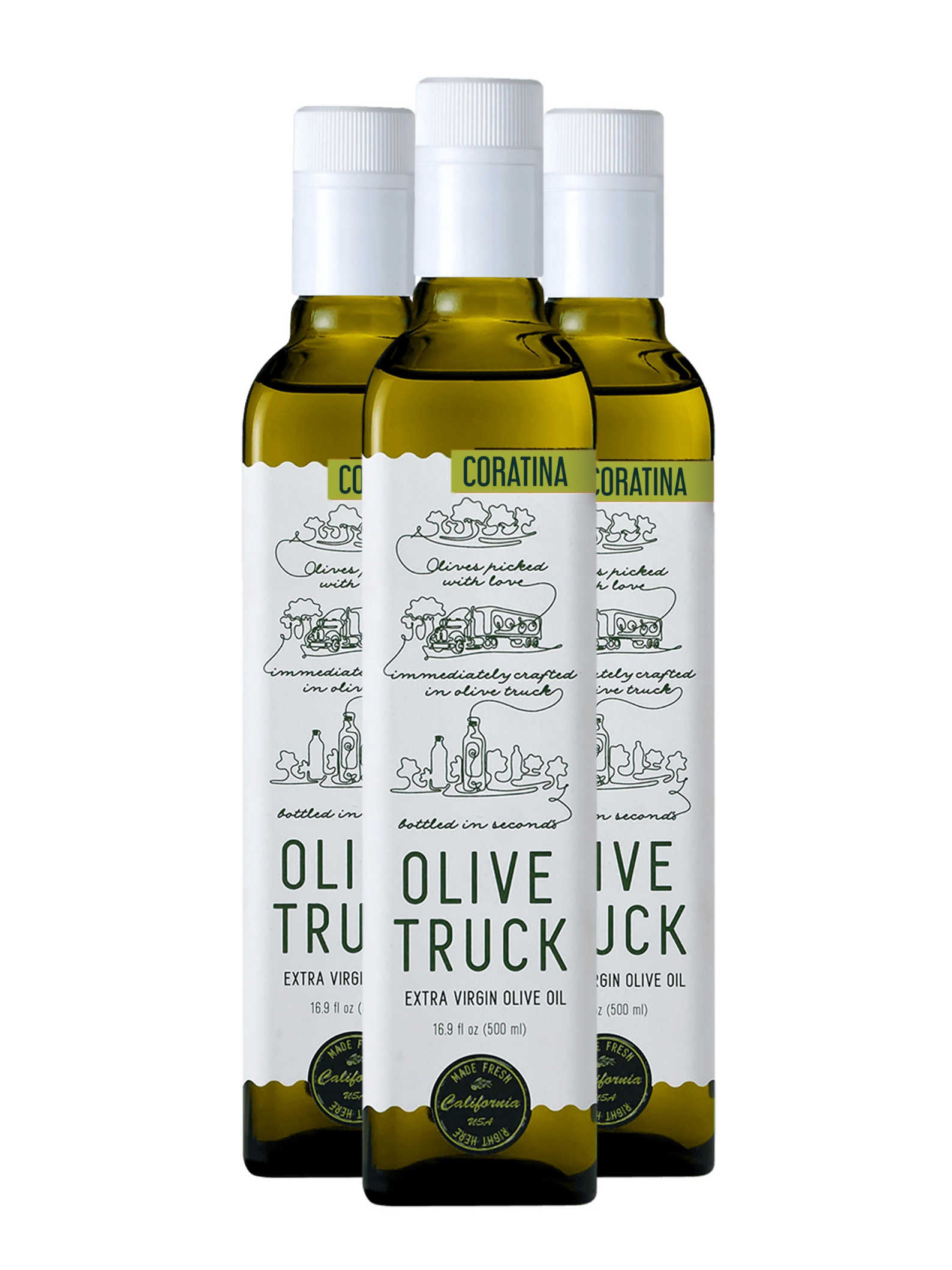
Olive Truck’s award-winning Coratina. Photo credit Olive Truck
Utilizing a mobile mill to follow the harvest for the freshest pressings, Samir Bayraktar’s Olive Truck produces oils throughout California. Olive Truck describes its award-winning Coratina Extra Virgin Olive Oil as having “pronounced bitterness and a lively, persistent peppery finish that builds gracefully in the throat.” Don’t be fooled, however: “Gracefully” means you’ll probably still be coughing — and likely enjoying it.
Bonus spice: Olive Truck Peperoncino Olive Oil
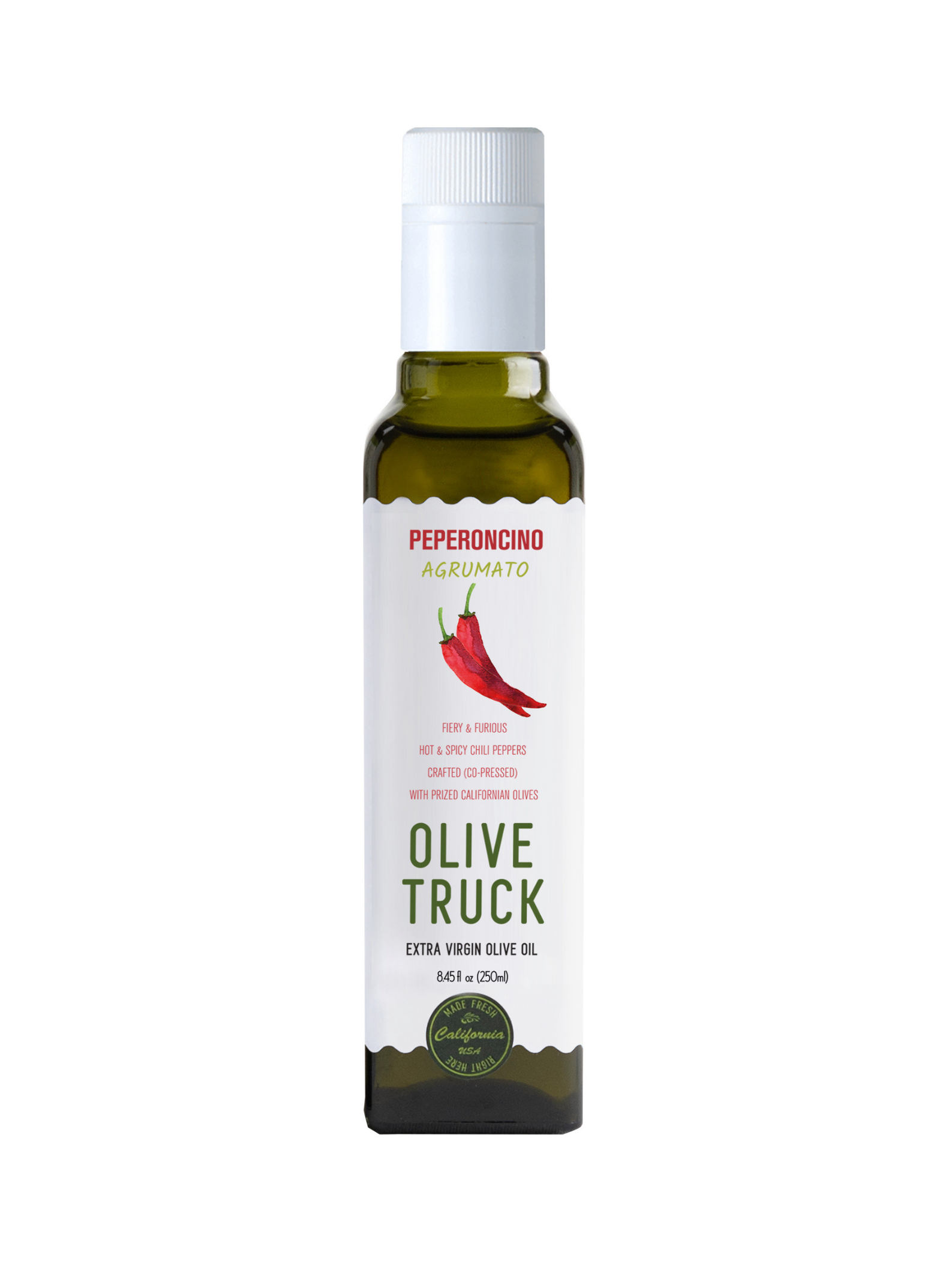
Olive Truck’s Peperoncino is made by co-pressing olives with chiles. Photo credit Olive Truck
Made by co-pressing olives with hand-selected California chiles, Olive Truck’s chile-infused oil lives up to its label’s promise to be “fiery and furious.” Pair it with caramelized root vegetables, lentil soup, or bittersweet chocolate to temper the heat.