
A Guide to Olive Oil From Alentejo, Portugal
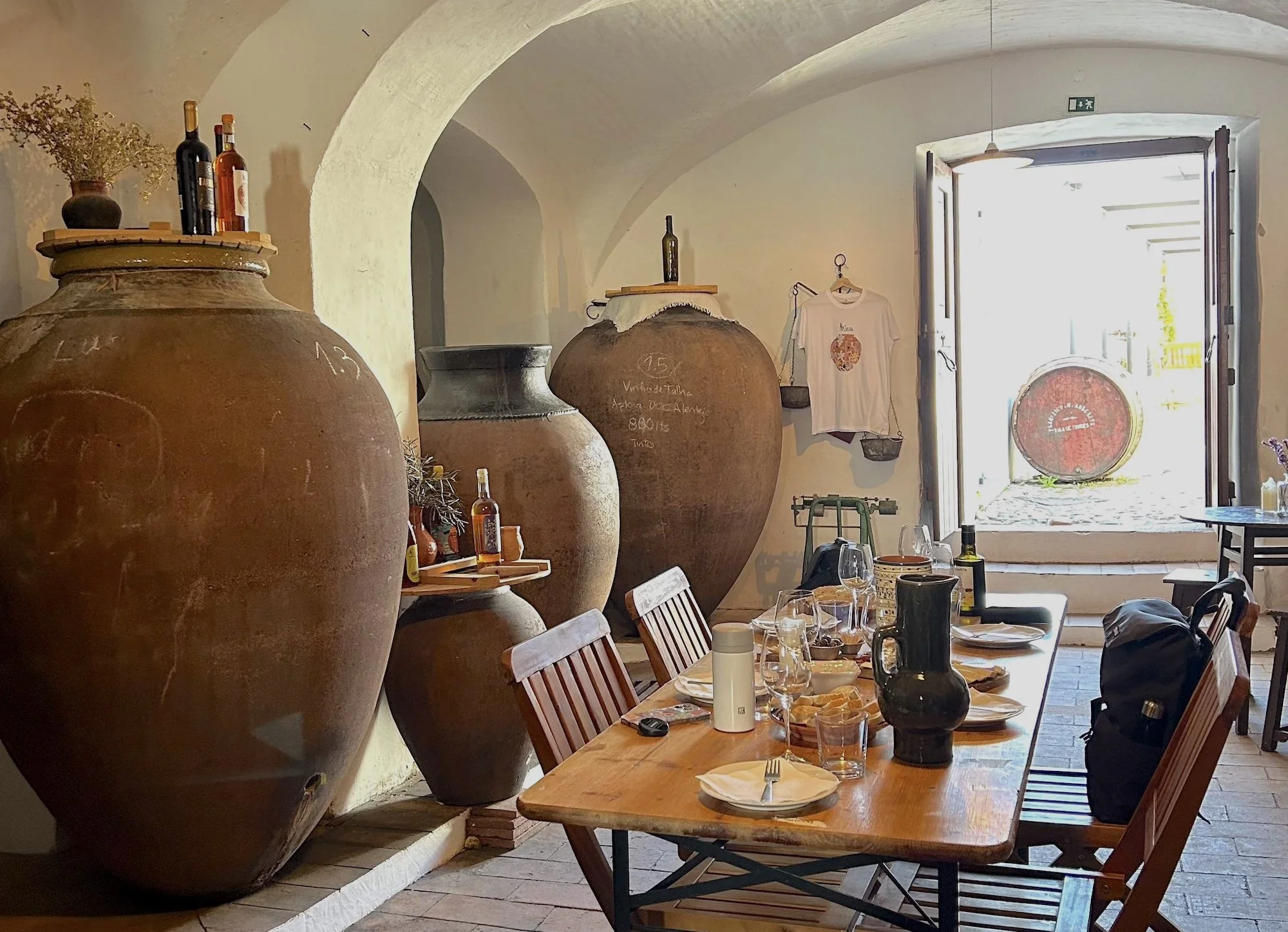
The tasting room at Casa das Talhas, a producer based in southern Alentejo. Photo credit Lee Musho
While Portugal currently stands as the sixth-largest olive oil producer in the world, the Alentejo region, which makes up the Southern part of the country, produces about 70% of all the olive oil in Portugal.
The olive tree is not a newcomer to southern Portugal. The Phoenicians and Romans introduced olive trees to Southern Portugal thousands of years ago. In fact, Strabo, a Roman geographer who lived between 63 BC and AD 24, wrote about Alentejo olive oil. There's even an olive tree in Cascalhos, Mouriscas, estimated to be over 3,000 years old.
Recent major advancements have enabled Alentejo to produce more olive oil than ever before. The Alqueva Reservoir, the largest artificial lake in Europe, began in the 1950s and was completed in 2002. The region is now seeing the benefits. It provides vital irrigation, transforming the region's growth potential and spurring the development of thousands of hectares of new groves.
Below is everything you need to know about Alentejo olive oil, from the olives to the protected designations of origin (PDOs) to the producers to look out for.
Olive Varieties to Know in Alentejo
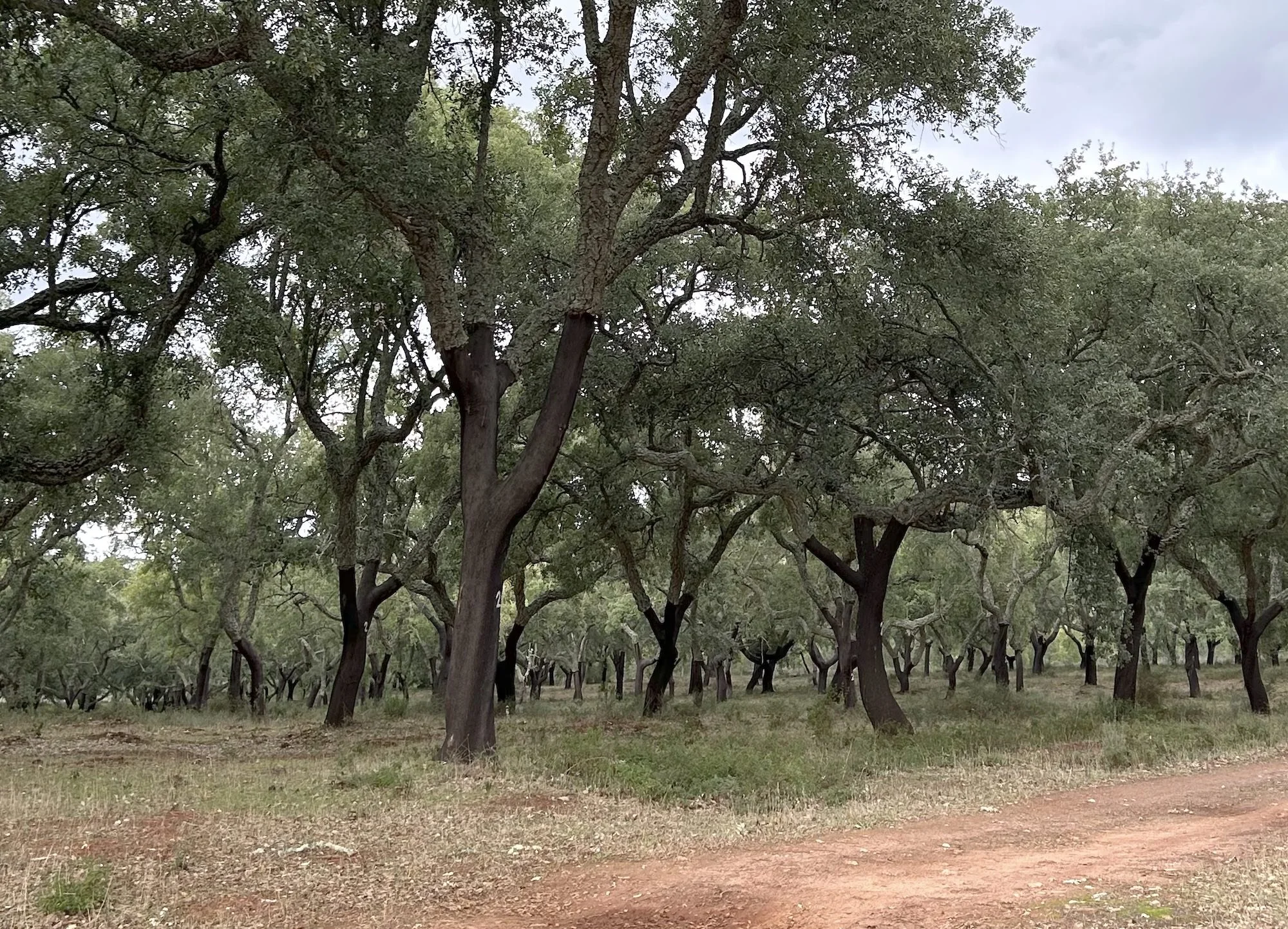
An olive grove in Alentejo. Photo credit Lee Musho
In Alentejo, key olive cultivars can range in flavor from delicate and fruity to robust and grassy. Some of the region’s best-known olive varieties include:
Galega: The most popular Portuguese olive, Galega is a total crowd-pleaser. It's often compared to butter for its sweetness and smoothness. When harvested early, it has notes of fresh green apple, and when ripe, it has flavors of baked apples and almonds.
Cobrançosa: This variety is intense, peppery, and spicy. It's originally from the Trás-os-Montes region but has been thriving in Alentejo as a way to add kick to a blend. It has flavors of green herbs and grass, and a lot of personality.
Cordovil de Serpa: Cordovil is primarily used in blends as it has a bitter, vegetal quality that can be used to balance other varieties. It has a green, herbal flavor and a high oleic acid content.
Verdeal Alentejana: Verdeal Alentejana is a late-ripening olive. It has a bitter, spicy profile that also blends well.
Sikitita: A cross between Picual and Arbequina varieties, Sikitita has an intense grassy and peppery flavor.
Protected Designations of Origin (PDO) to Know in Alentejo

Quinta do Carmo, a winery producing olive oil within the Azeites do Norte Alentejano PDO region. Photo credit Lee Musho
There are three PDOs (Denominação de Origem Protegida) that identify Alentejo olive oils tied to a specific place, produced under defined standards for cultivars and methods, offering a clear sense of origin and regional character. They include:
Azeites do Norte Alentejano PDO: This designation covers the northern and western-central areas of the Alentejo and the regions of Évora and Portalegre. This oil is made primarily from Galega and is known for being smooth, delicate, and approachable.
Azeite do Alentejo Interior PDO: This PDO covers the region's interior, encompassing Beja, Setúbal, and Évora. This olive oil must be a blend of at least 60% Galega and up to 40% Cobrançosa and/or Cordovil de Serpa. It's known to be mild, sweet, and fruity.
Azeite de Moura PDO: Azeite de Moura is one of the oldest PDOs in Portugal. It's primarily made on the left bank of the Guadiana River in the regions of Moura, Serpa, and Mourão. This blend is the boldest and most herbaceous of the three PDOs, with 35–40% Cordovil, 15–20% Verdeal, and the remainder Galega.
Olive Oil Producers to Know in Alentejo
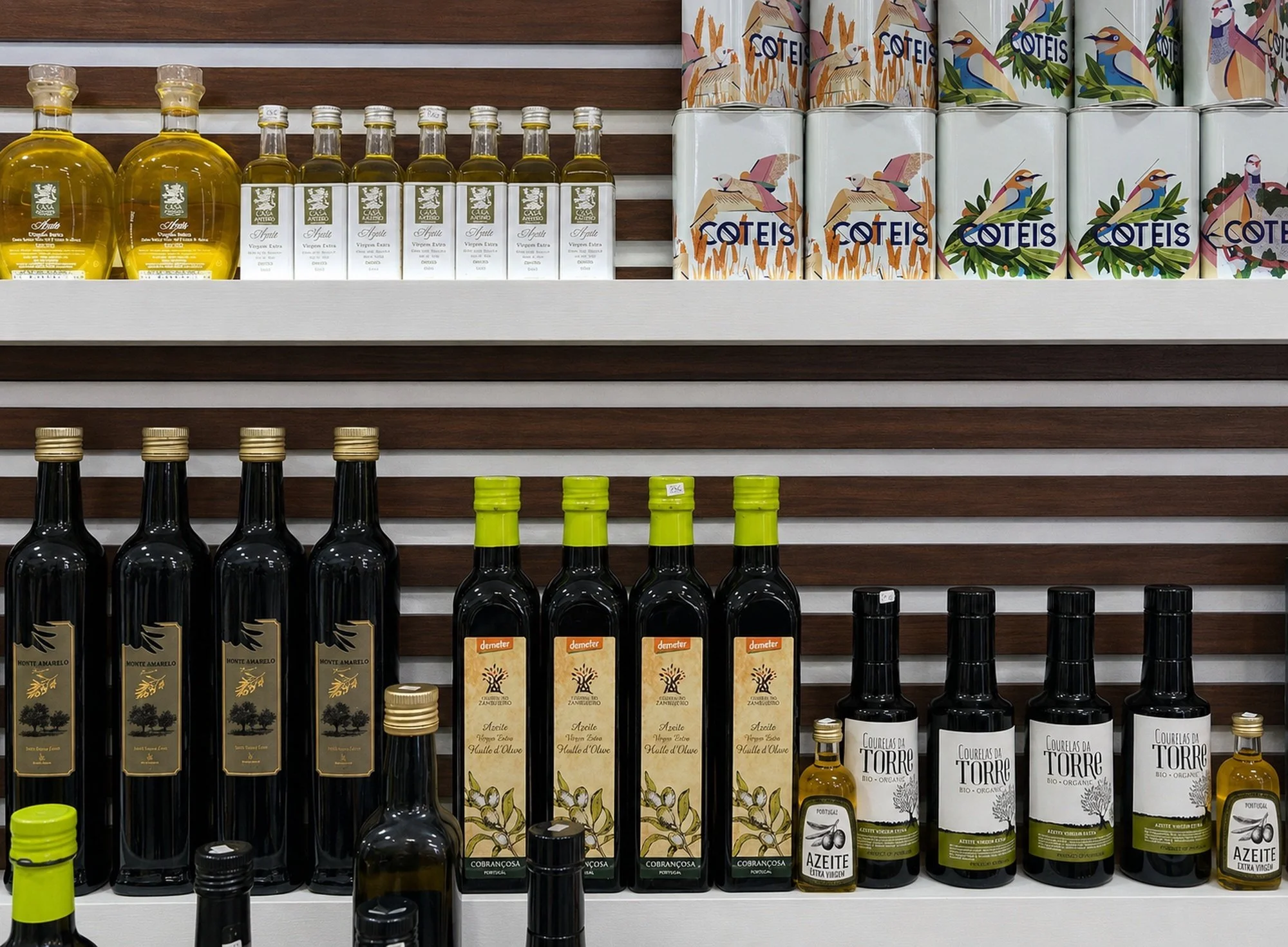
An olive oil store selling Courelas da Torre and other brands of olive oil. Photo credit Lee Musho
There are well over 100 olive oil producers across Alentejo. They range from small and traditional family-run estates to large and modern operations. Some of the best producers include:
Mainova: This producer, which also makes wine, is known for its high-quality, single-varietal oils and modern branding. Their Galega oil is harvested early and kept green to capture a signature fresh-apple note. Their bottles feature their 2,000-year-old olive tree, which you can visit at the property. What to try: Galega Mainova Olive Oil, Mainova Early Harvest
Casa Relvas: Casa Relvas is a giant producer in Alentejo. They're actively planting new trees and have multiple olive oil offerings, with peppery blends highlighting Cobrançosa. What to try: Art Terra Extra Virgin Olive Oil, Casa Relvas Extra Virgin Olive Oil
Courelas da Torre: Located in Redondo, this small estate focuses on organic farming and produces a certified organic olive oil with neighboring estates. What to try: Courelas da Torre Olive Oil
Herdade da Calada: Founded in 1854 by the Duke of Lencastre, Herdade da Calada has 110 hectares of olive groves. They're known for their award-winning oils and giftable Claudy bottle. What to try: Herdade da Calada Claudy Extra Virgin Olive Oil
Herdade do Esporão: Esporão relies on the Alqueva basin for irrigation. They're known for their peppery, "New-harvest" bottles. What to try: Selecção Extra Virgin Olive Oil