
Biancolilla: The Sicilian Olive to Watch
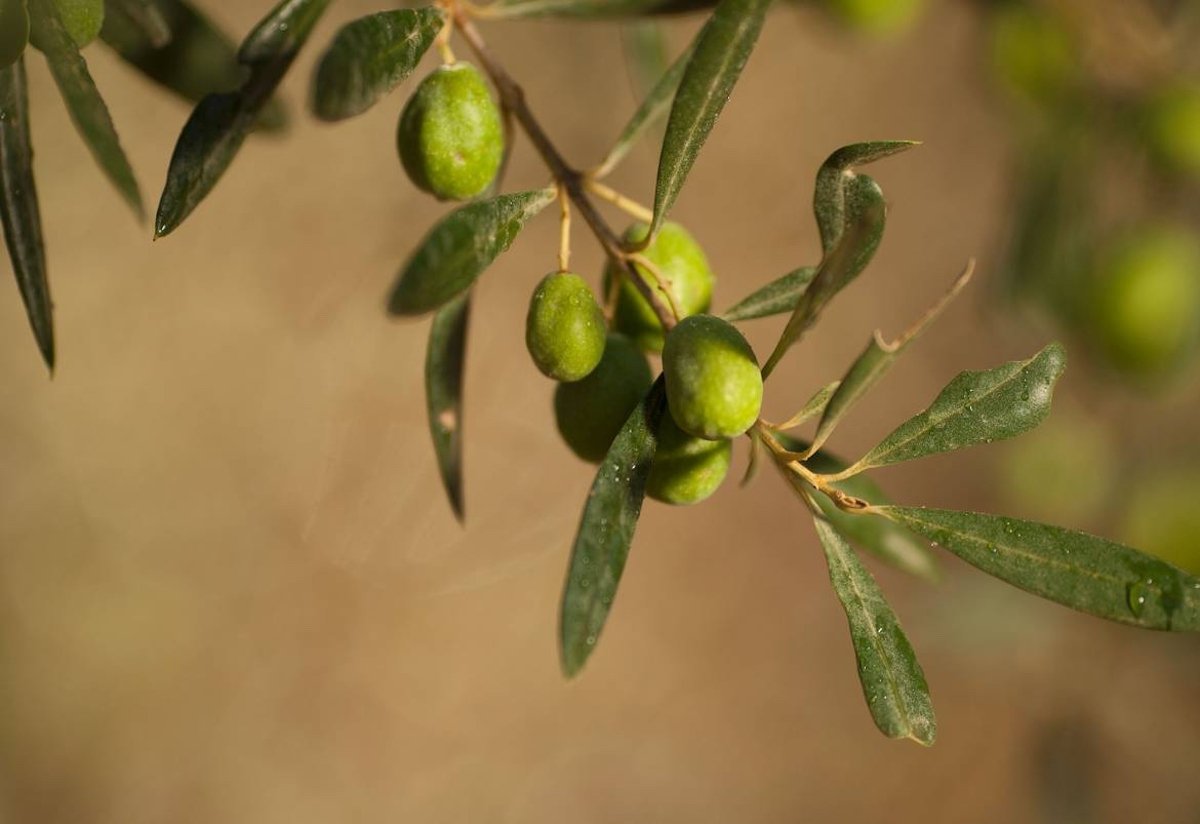
Biancolilla olives. Photo credit Azienda Agricola Titone
Just as Sicilian wine grapes are beginning to have their moment in the sun, so too are Sicilian olive cultivars. Vineyards and olive trees often share equal billing in certain warm-climate regions, and Sicily’s Mediterranean atmosphere, influenced by its island geography and punctuated by pockets of volcanic activity, has a profound effect on olive trees. What’s more, olives and olive oil are inextricably linked to Sicily’s identity — economically, culturally, and gastronomically.
“In Sicily, the first food you are given by your mother is pastina with a little bit of olive oil, and it will typically be a local olive oil from a friend. So you fix these flavors from when you are a baby,” says Alessio Planeta, CEO of Planeta, a Sicilian estate producing wine and olive oil. “You can convince a Sicilian to drink another wine, or to have a different bread, but not a different olive oil.”
Sicily has a few workhorse olives that feature in a majority of oils, like piquant nocellara and luxe cerasuolo. But one shyer — but equally important — cultivar shouldn’t be overlooked: biancolilla.
Three Sicilian olive oil producers with eponymous olive oil brands — Planeta, Antonella Titone, and Luis Jurado Laverde — share their insight into the care, feeding, and production of biancolilla.
What Is Biancolilla?

Alessio Planeta, CEO of Planeta Estate
Biancolilla is a distinctive olive for several reasons. One reason is its appearance, which includes narrow, spear-like leaves and pale-skinned fruit, hence the name.
Another reason the olive stands out to producers is for its finicky nature. “Biancolilla is a cultivar that asks for a particular set of conditions and rewards them when it gets them,” says Luis Laverde, founder of Laverde Artisan.
“It thrives at altitude, on calcareous soils — limestone, gypsum, and clay — within the classic Mediterranean rhythm of dry summers and wet winters. The Caltanissetta interior, where our producer family farms, sits up to around 900 meters above sea level on exactly that geology.”
Why Biancolilla Is Difficult to Produce
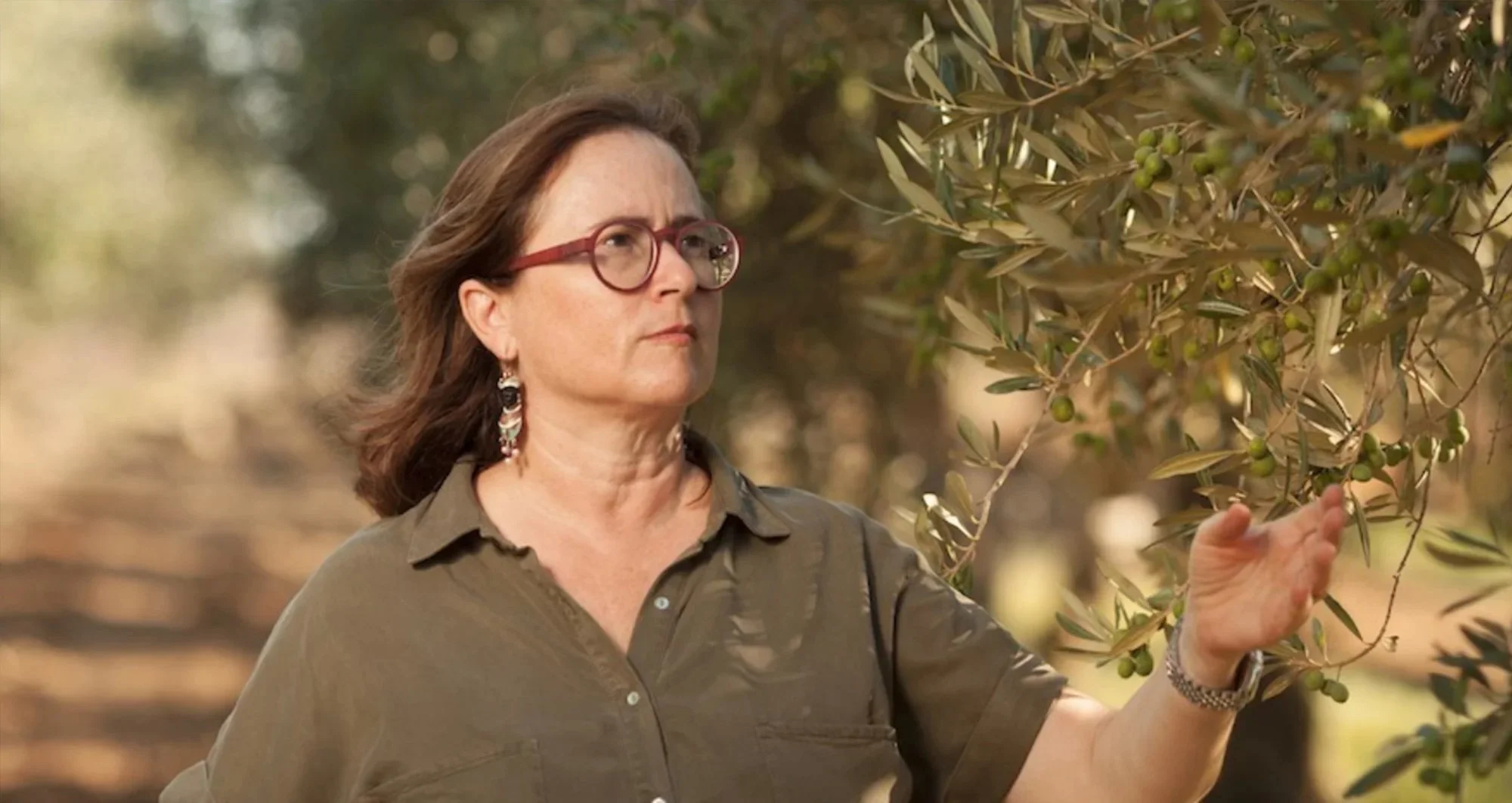
Antonella Titone. Photo credit Azienda Agricola Titone
There are inherent challenges to growing olives in Sicily, such as managing consistent yields from year to year. In about 90% of Sicilian olive oil production, different olive varieties are grown together, Planeta says. This is in part because it helps to mitigate production variations of a given olive cultivar or tree from year to year.
Biancolilla in particular is highly subject to vintage variations. “The biancolilla olive tree follows alternate production,” explains Antonella Titone, founder and owner of Titone. A high-yield year will inevitably be followed by a low-yield year while the tree recuperates from its vigorous output.
In addition, compared to other Sicilian cultivars like nocellara, biancolilla olives are relatively low-yielding because of their large pits. “In a regular year, nocellara may yield 15% or 16% oil per kilo of olives harvested, and in Biancolilla you can have 11% or 12%,” Planeta says.
“When you make olive oil, that is a big difference, having 30% less olive oil than you would from a different cultivar.”
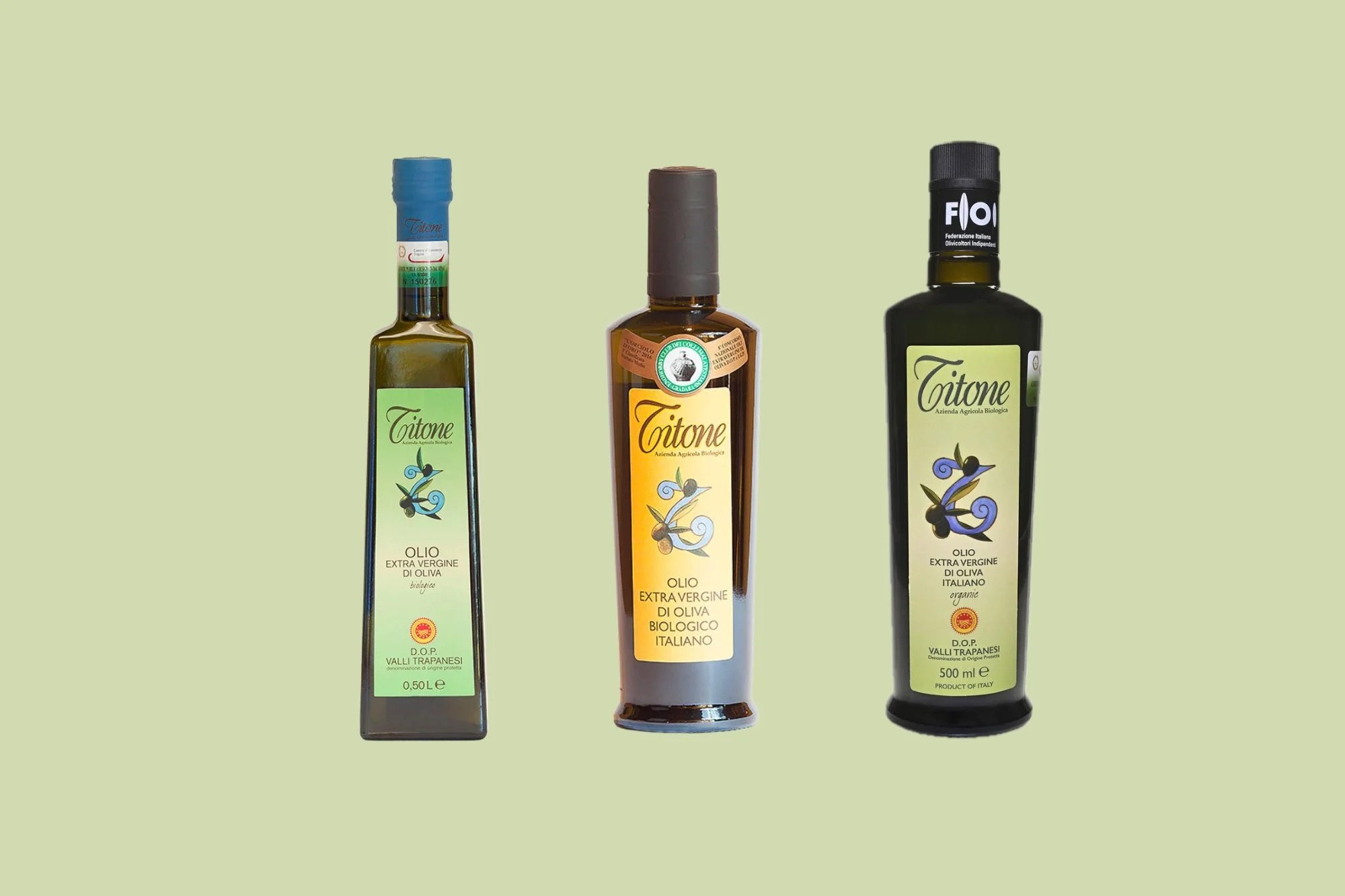
Titone olive oils. Photo credit Azienda Agricola Titone
Producers alternately described biancolilla as having both an early or late harvest period, which speaks to not only how it performs differently in different regions, but also how much the varietal relies on precise timing. Laverde notes that irregular rainfall, sudden heat spikes, longer droughts, and other aspects of climate change have made harvest timing even more challenging.
“Pick a week early, and the oil is grassy and bitter without complexity,” explains Laverde. “Pick a week late, and the perfume collapses.”
Because of its lower-density canopy, biancolilla typically requires harvesting by hand, and it needs to be processed within hours of picking to preserve its delicate bouquet, Laverde says.
“A great biancolilla can be lost between the mill and the table without any single dramatic mistake,” he adds, “just a series of small ones.”
What Biancolilla Olive Oil Tastes Like
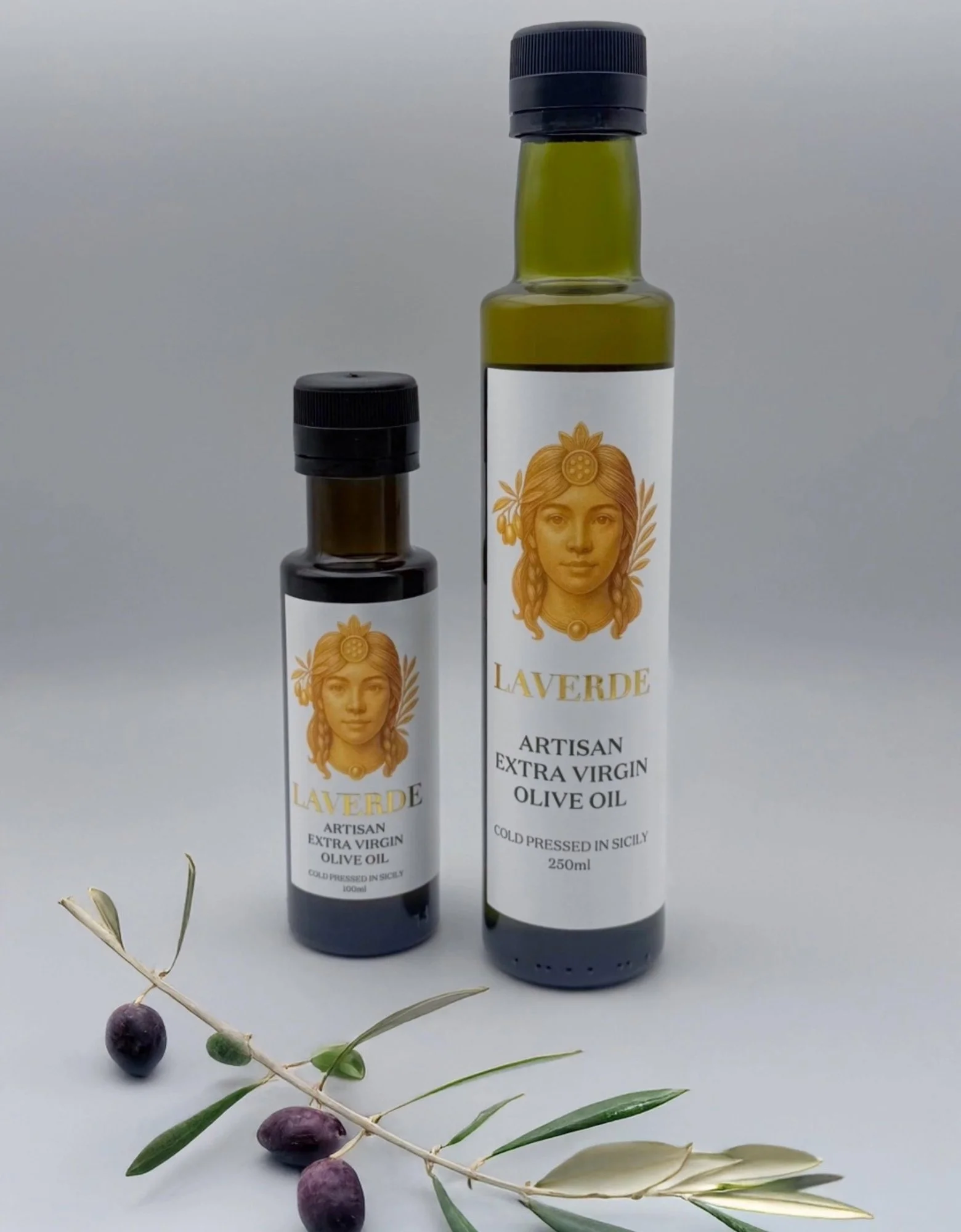
Laverde Artisan Biancolilla olive oil. Photo credit Laverde Artisan
Many of Sicily’s blended olive oils feature biancolilla alongside cerasuola and nocellara del Belice varietals. While these classic three-cultivar blends are generally rounded, structured, and crowd-pleasing, the cultivar speaks most clearly on its own, as cerasuola and nocellara can mask biancolilla aromatics, Laverde says.
“Single-varietal is where you actually meet the cultivar: its perfume, its restraint, and its almond notes,” he adds. “It is a more delicate proposition than the classic Sicilian blend, but it is a more honest one.”

Luis Jurado Laverde. Photo credit Laverde Artisan
Unlike pungent cerasuola and buttery nocellara, biancolilla is less showy, with light bitterness and a pleasant peppery quality.
“Biancolilla yields a very green oil with vegetal aromas reminiscent of cut grass and wild flowers,” Titone says, explaining that the fruit’s gentle flavor also makes it extremely versatile.
Laverde describes biancolilla as having a gentle spiciness and a long, perfumed finish: “It’s present at the back of the throat, and never aggressive,” he says. In a blend with other Sicilian varieties, it “contributes elegance and aroma, with more citrus and light herb flavors.”
The cultivar lends itself to a variety of sweet and savory preparations. That’s because of its lightly fruity nature and distinct personality, Titone says.
“It is ideal for raw foods, especially fish, which is why I think it is very cool — and you will see it used more and more.”
The Future of Biancolilla in Sicily
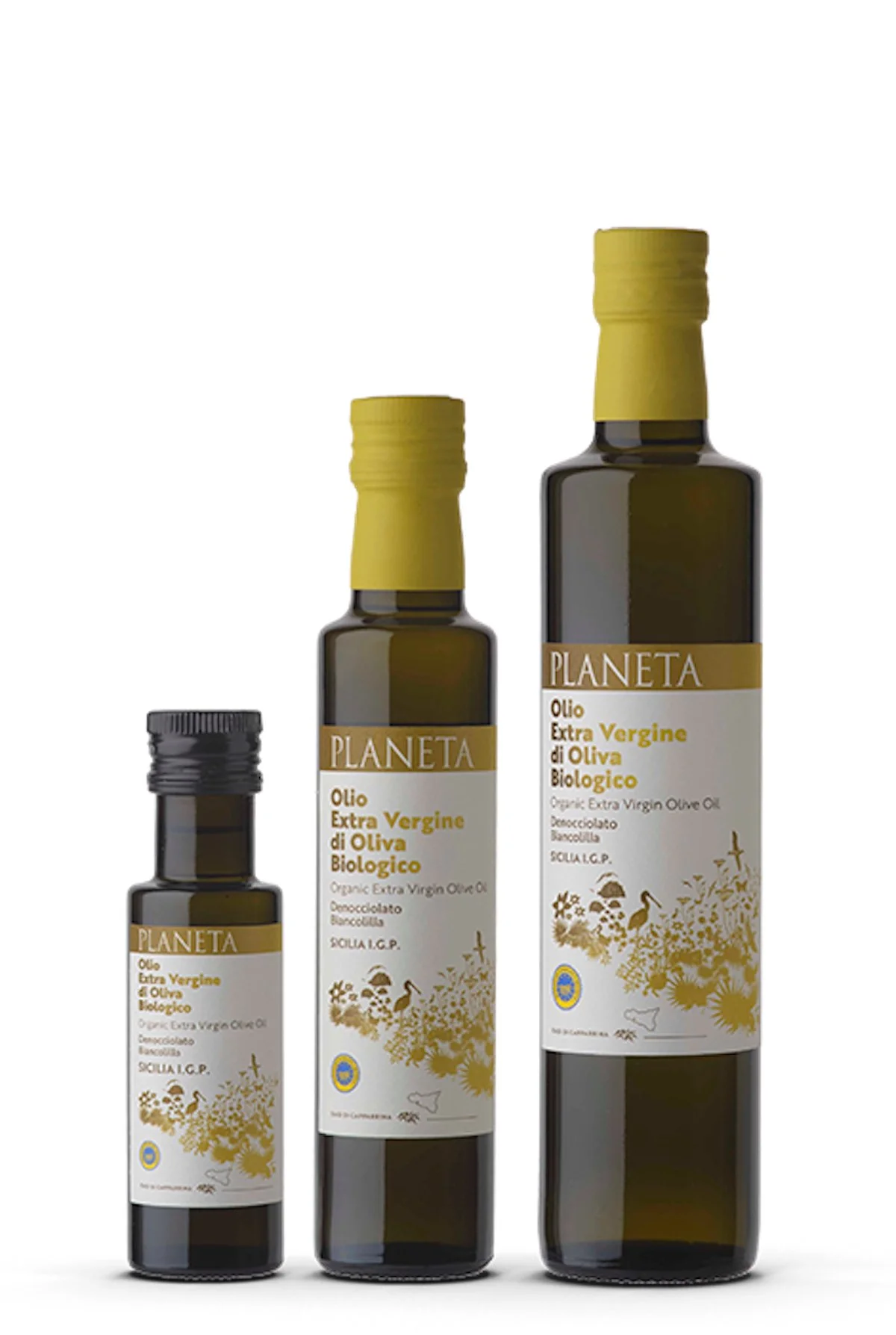
Bottles of Biancolilla olive oil. Photo credit Planeta Estate
Single-varietal biancolilla is still somewhat of a unicorn among olive oils, but look for it in specialty Italian markets, gourmet grocers, or through online retailers. There is hope for its future, though, as a well-performing variety as consumers become more curious about olive oil provenance.
“Biancolilla has the complexity and the distinctiveness to sit alongside the Tuscan and Andalusian varietals that consumers already recognize,” says Laverde, “and the wider conversation around Sicilian native agriculture, especially its native wine grapes, suggests there is real appetite for these traditions once people know they exist.”
“What I hope is that the popularity stays disciplined,” he adds. “A great native cultivar can be ruined by becoming a commodity: over-planted on the wrong land, harvested at the wrong time, milled at scale, sold on price. Biancolilla rewards careful single-estate work, and that is not compatible with mass-market production. I expect biancolilla to become more visible over the next five to ten years — and I hope it gets there as a connoisseur cultivar rather than a commodity one.”