
What the Color of Your Olive Oil Really Means
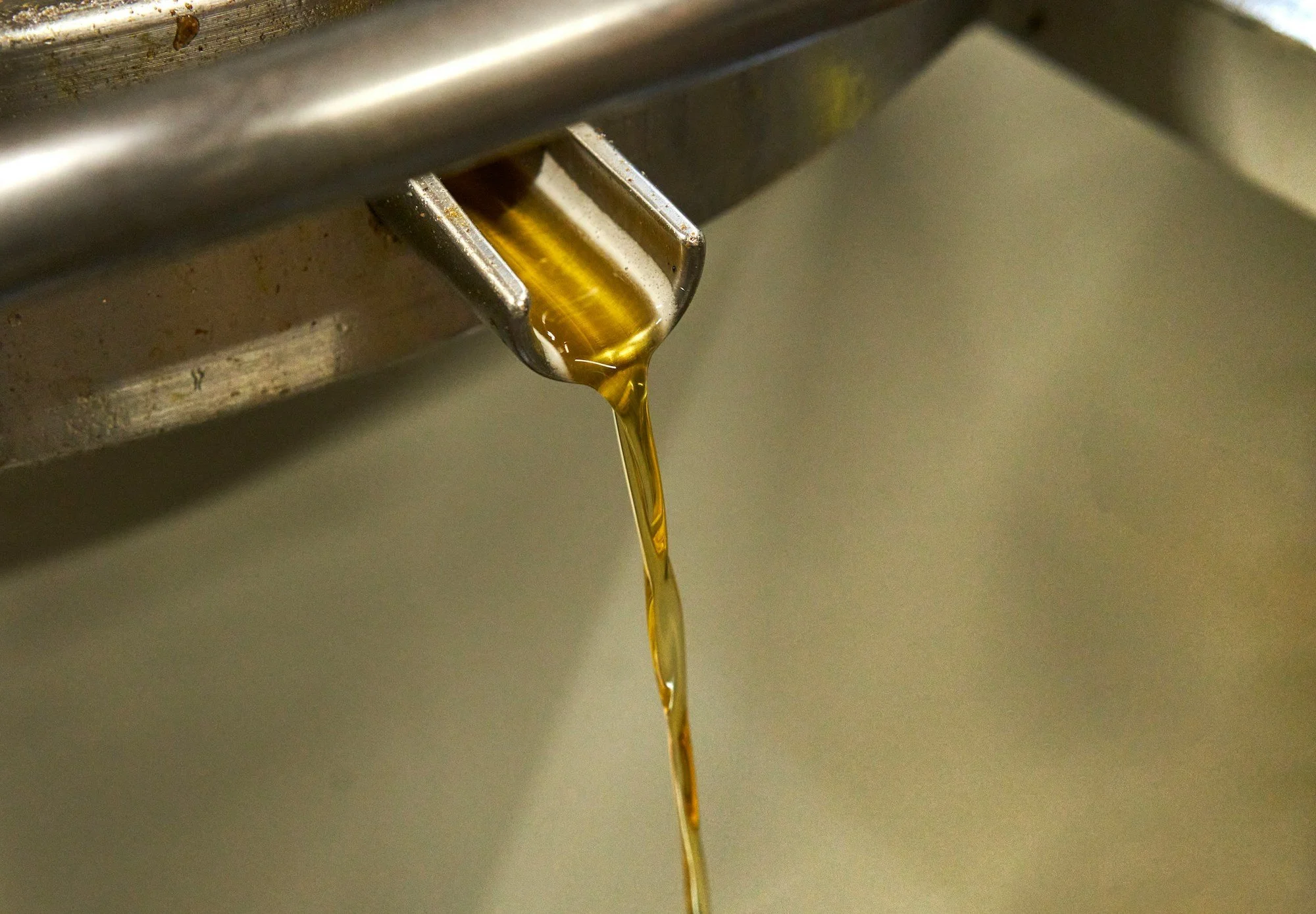
Color is not the best indicator of olive oil quality. Photo credit Xavier von Erlach
The greener the olive oil, the better it is — or so the common belief goes.
In reality, color says little about quality. While it can hint at characteristics of the fruit and harvest, it reveals little about how an oil is made or how it will taste. So little, in fact, that official tastings are conducted in blue glasses designed to hide it.
Alessandro Capitoni, a Tuscan olive oil grower, says the association between green color and quality is one of the most persistent misconceptions he encounters. “You can have a beautiful green oil that is not good, and a golden oil that is excellent,” he says.
Why Olive Oil Comes in Different Colors

Olive oil grower Alessandro Capitoni
Olive oil can range in color from bright green to deep gold. Freshly pressed oils may also appear slightly cloudy, especially if unfiltered. These color variations come from natural pigments in the olive.
“If you harvest when the olives are very green, the oil will usually be greener” due to the fruit’s firmness and chlorophyll content, Capitoni notes. He adds: “But that does not mean it is better. It just means that the fruit was picked earlier.”
Later harvests often produce oils with a warmer, more golden color. This golden color comes from the carotenoids that become more visible as the fruit matures. These oils can be equally well-made and balanced.
Ripeness is just one factor influencing color. The cultivar, climate, timing, and processing methods also contribute to an oil’s final appearance. Capitoni’s trees grow across three distinct areas of Tuscany’s Val d'Orcia, where differences in soil, exposure, and elevation result in oils with unique aromas and flavors even within the same small region.
“Even if the farms are close to each other, the oils are not the same,” he says. “Each grove offers something different. One oil can be more delicate, another spicier, another fruitier. This is the beauty of olive oil.”
Why Professionals Taste Without Seeing
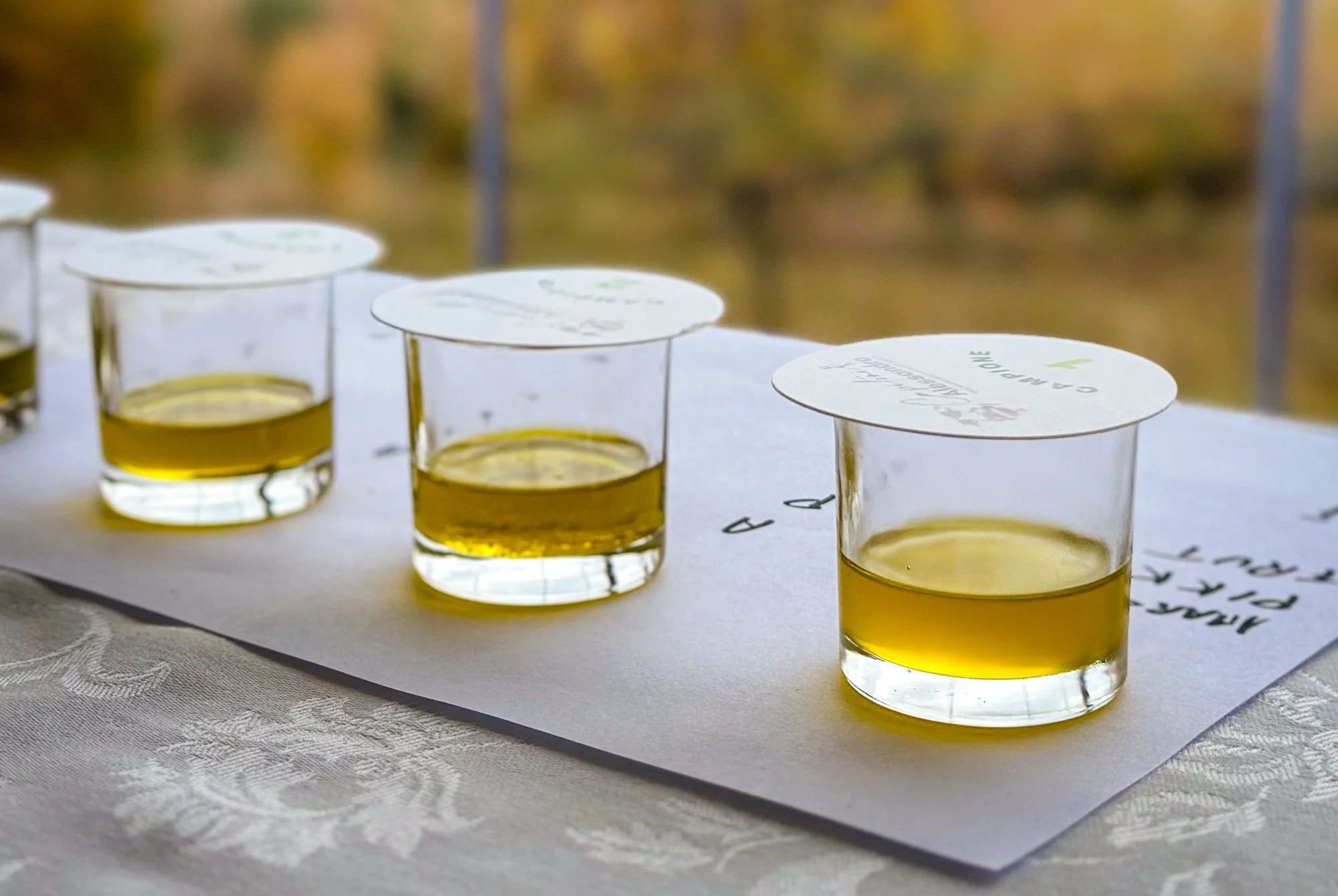
Olive oils set up for tasting
Because color can quickly shape expectations, professional tastings eliminate this factor entirely. In competitions, oils are often poured into dark blue glasses to prevent appearance from influencing the evaluation.
“When you see the color, your mind immediately makes a decision,” Capitoni says. “If the oil is green, you expect it to be strong. If it is yellow, you expect it to be weak. But the mouth can tell a very different story.”
A well-made extra virgin olive oil should exhibit fruitiness, bitterness, and a peppery finish in balance. None of these qualities can be determined by appearance alone.
The Origins of the Green Myth
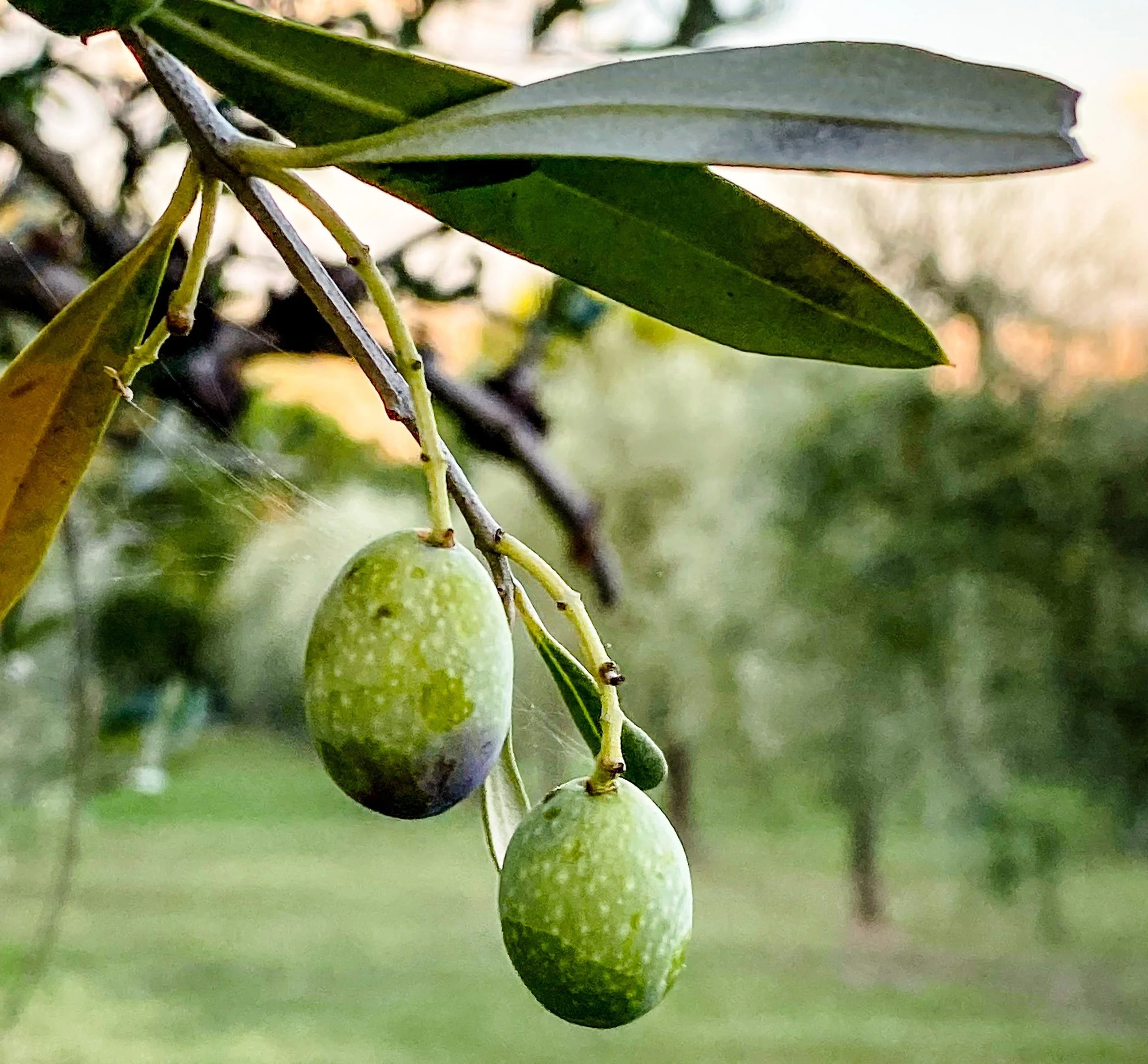
Olives on the tree at Capitoni’s farm. Photo credit Alessandro Capitoni
Capitoni believes the multibillion-dollar market has helped keep the myth alive. Dark glass bottles, now standard for protecting the oil from light, helped reinforce the visual association.
“Consumers look for green, so sometimes producers feel pressured to show green,” he says.
But the best producers don’t think about color first. Instead, he says, “they think about the health of the olives and the balance of the oil.”
For him, quality begins well before bottling. “My goal is always to produce oil in the most natural way possible, respecting the land. If the olives are good and the work is done well, the oil will speak for itself.”
How Harvest Timing Impacts Flavor
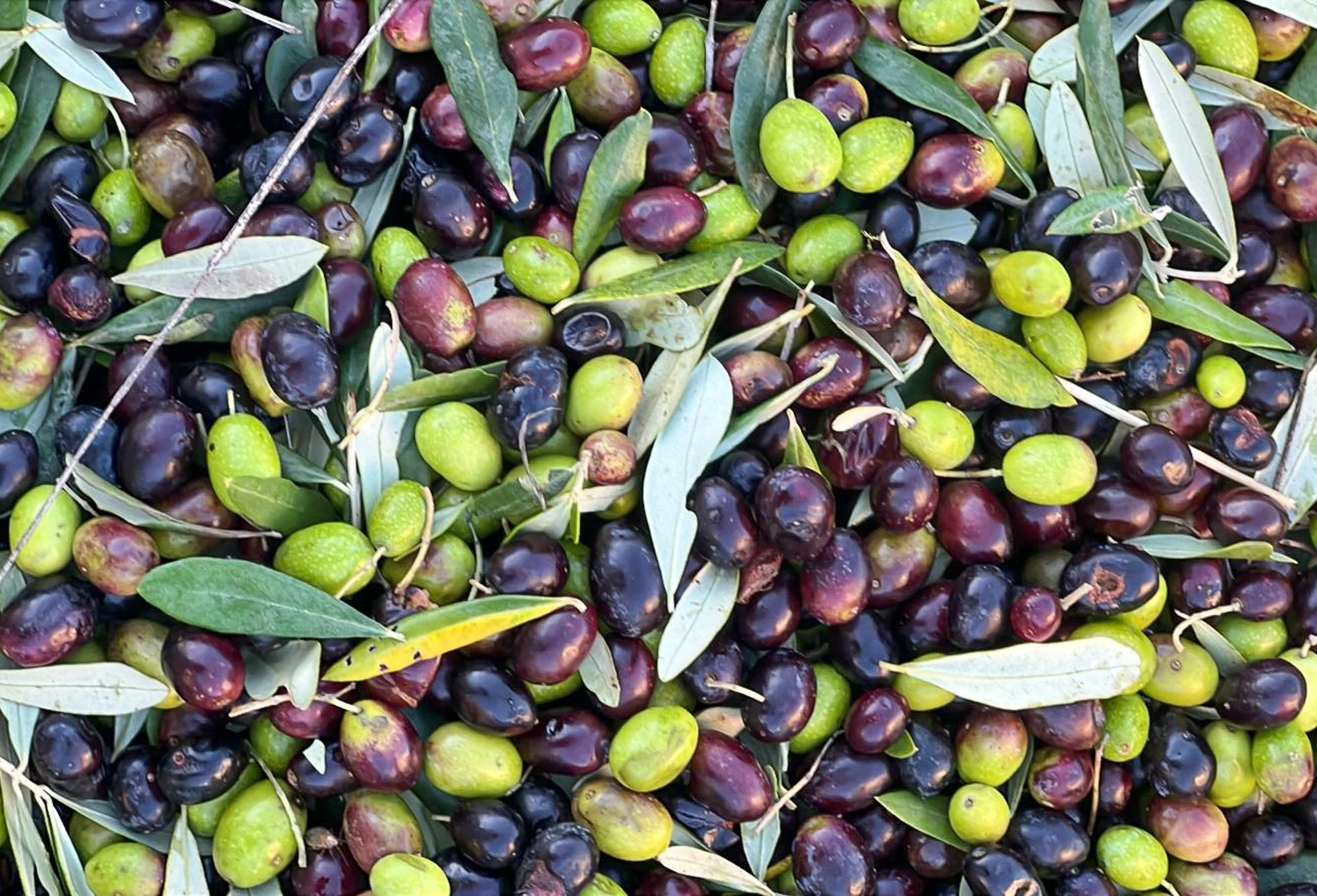
Olives that have been harvested for pressing. Photo credit Alessandro Capitoni
The color of olives can tell us when they were picked, but it is the timing of the harvest that affects the flavor, yield, and character of the oil. Early-harvested olives generally have a stronger taste and produce an oil that is more bitter and peppery.
Mid-season oils, produced when the olives begin to change color, are usually more balanced. The bitterness softens and the aromas become rounder. The oil becomes versatile enough for everyday cooking without overwhelming a dish.
Late-harvest oils, made from fully ripe olives, often appear more golden and taste milder. Lower polyphenol levels mean they are less aggressive on the palate. These oils work well in dishes where a more assertive oil would compete rather than complement.
According to Capitoni, timing is one of the most important decisions a producer has to make. “If you pick very early, the oil is more intense, but you have less quantity," he says. “If you pick later, you have more oil but softer flavor. Every producer must decide what kind of oil he wants to make.”
What Actually Matters When Choosing Olive Oil
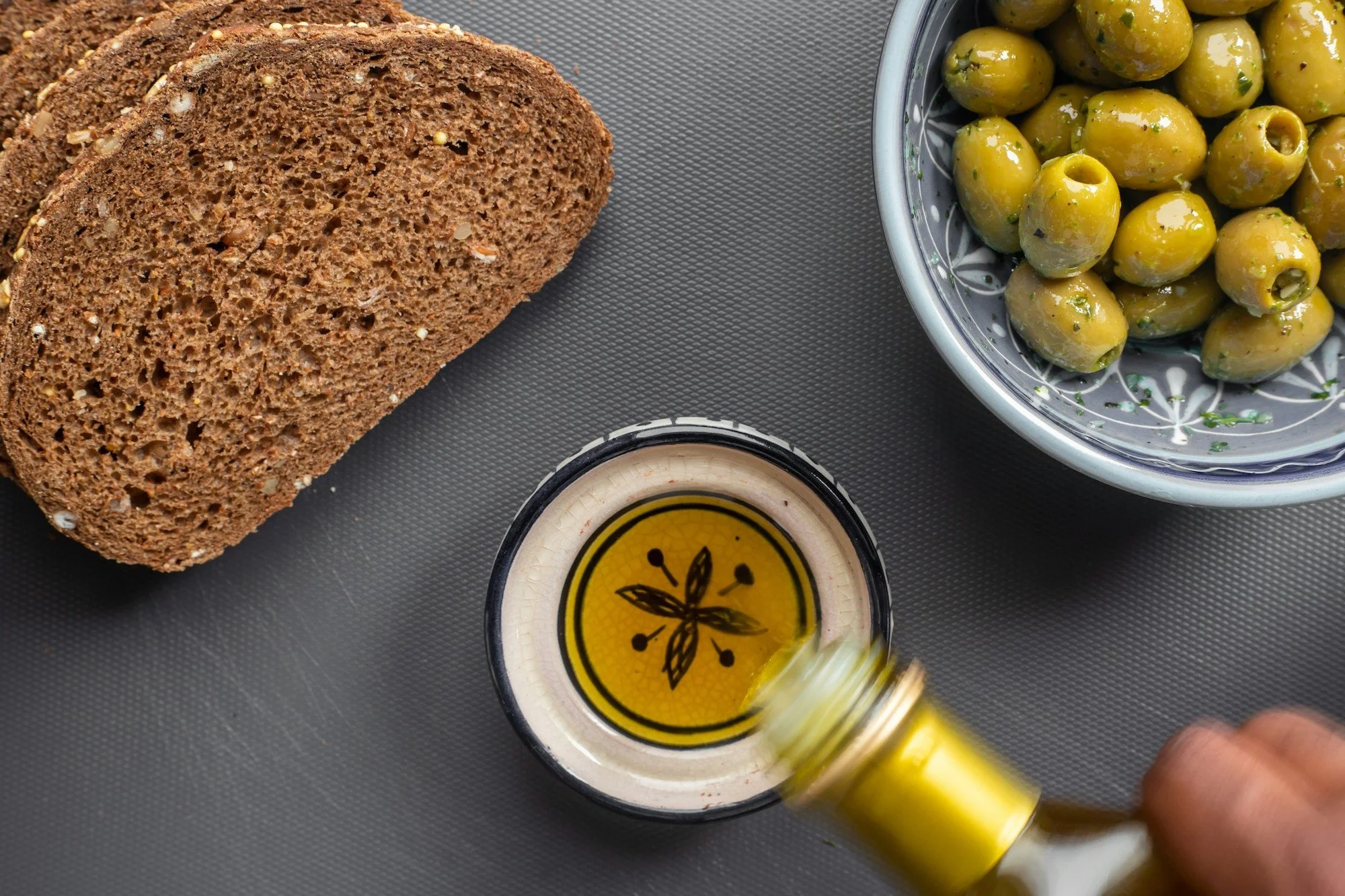
Harvest date is an important olive oil freshness indicator. Photo credit Louis Hansel
If color is not a reliable guide, how should consumers choose olive oil, especially in markets where tastings are rarely available?
Capitoni suggests something much simpler: reputation. “In Italy, people often buy their olive oil from someone they know,” he says. “They trust the producer, so they do not need to judge the oil by the color.”
Because olive oil changes from harvest to harvest, consistency comes from the care taken in the grove and the mill. Capitoni recommends paying attention to origin, harvest date, and the reputation of the grower or importer: “The harvest date is very important. Olive oil is a fresh product. If you know who made it and when it was made, you already know much more than the color can tell you.”
Industry experts warm the oil slightly in the glass, smell it, and take a small sip, letting the oil coat the mouth before swallowing. They are looking for freshness, balance, and clean aroma. Take a similar approach by looking for a recent harvest date, storing the oil away from heat and light, and paying attention to how the product smells and tastes once opened.
Capitoni believes that once people move past the idea that green equals better, they begin to appreciate olive oil in a more honest way. “Every harvest is different, every grove is different, every oil is different,” he says. “Color is only one small part.”