
Extra Virgin Olive Oil: Anti-Inflammation Dynamo
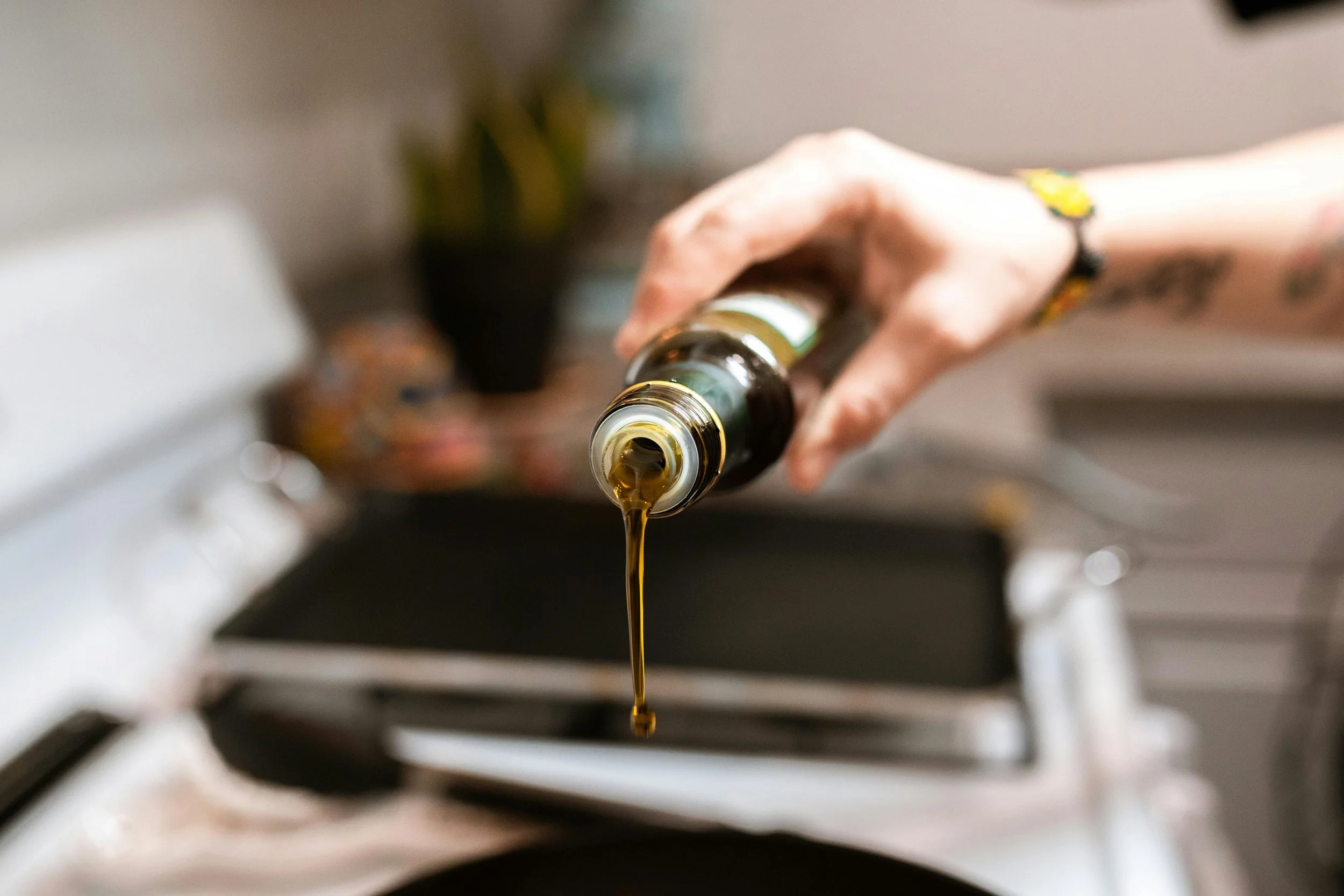
Pouring olive oil
“Let food be thy medicine and medicine be thy food” is often attributed to Hippocrates. This belief has led to many diets, fads, and regimens over the years, yet the anti-inflammatory diet has stood the test of time. Based on the centuries-old Mediterranean diet, the anti-inflammation diet highlights plant-based meals, healthy fats, whole grains, and legumes, plus some fish and seafood, with minimal red meat and sugar. Extra virgin olive oil, referred to as Liquid Gold and The Great Healer, consistently appears as a major contributor to homeostasis in this system.
Inflammation: Good & Bad
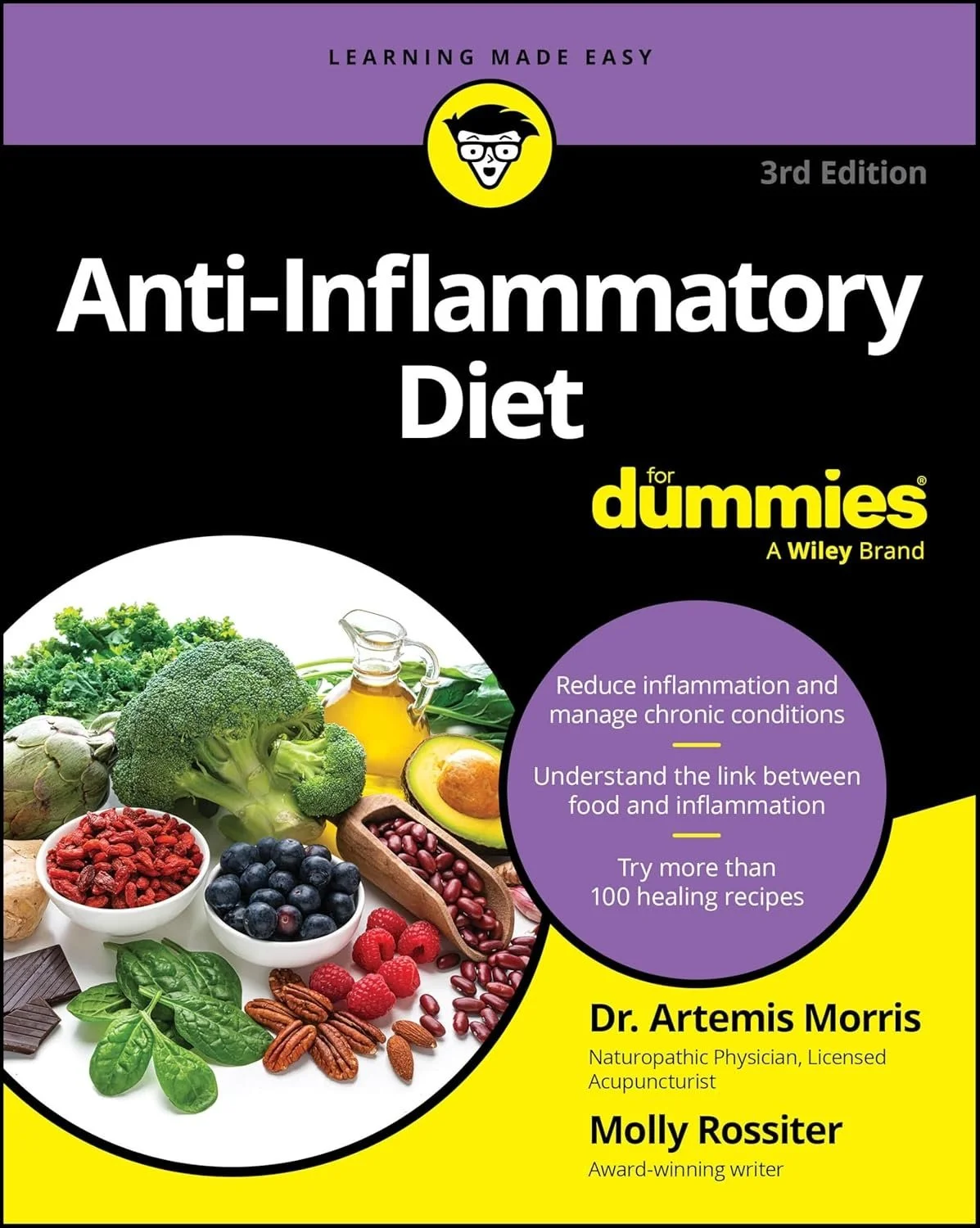
Anti-Inflammatory Diet for Dummies
Inflammation is the body’s protective response to injury and infection. It can involve swelling, redness, heat and pain and while these signs can be uncomfortable, a certain amount of short-term inflammation is reasonable and at times necessary. The trouble comes when inflammation becomes chronic and systemic. There can be a tipping point at which the body overresponds and inflammation’s intended protection is hijacked, thereby attacking the body itself as well as increasing risk for heart disease, diabetes, cancer and autoimmune disorders. For this reason, it is in our best interest to reduce inflammation in the body as much as possible. Our dietary intake is one way we can influence the inflammatory response.
Olive Oil and Inflammation
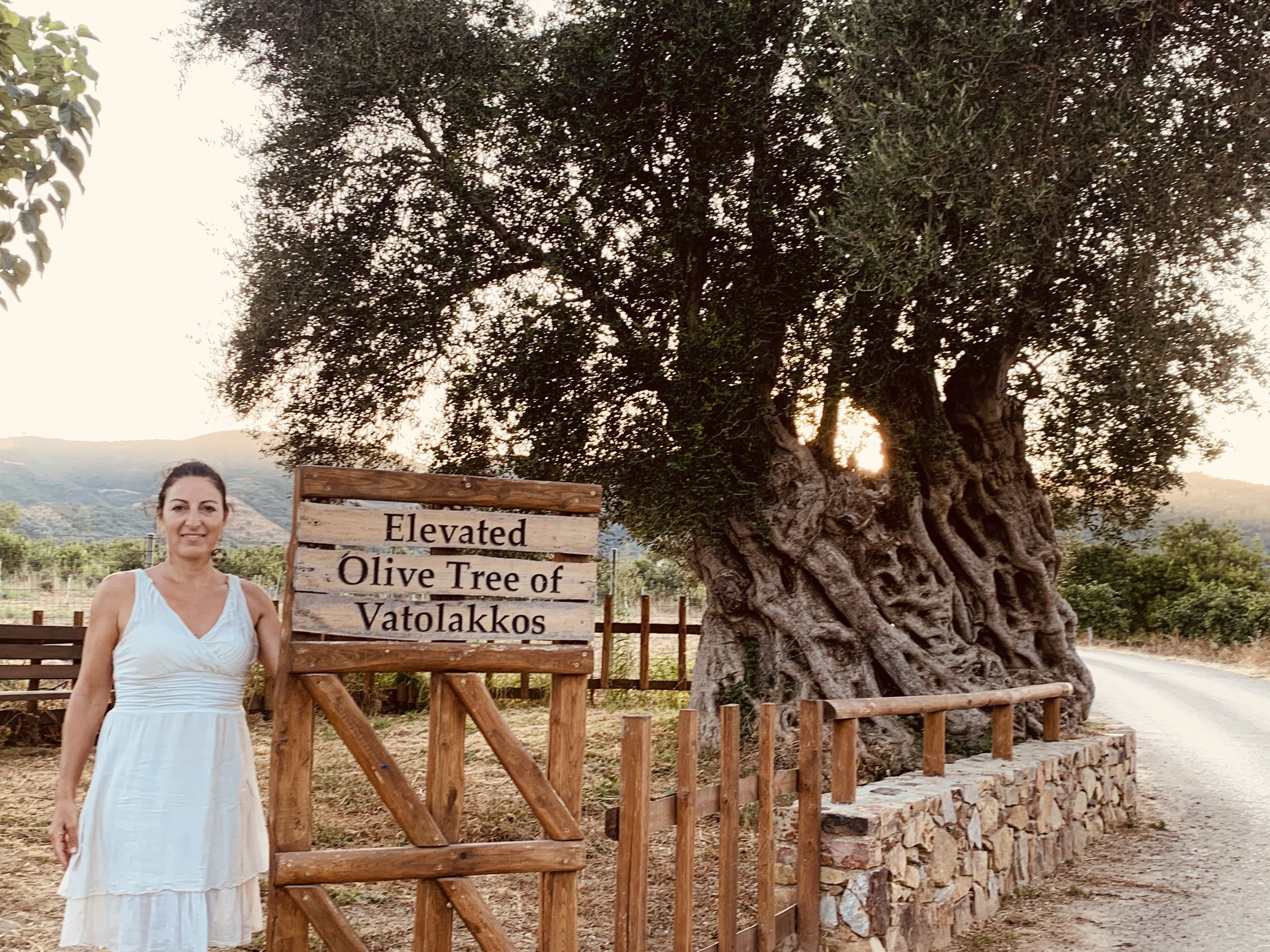
Dr. Artemis Morris visiting an olive grove
Dr. Artemis Morris, a Doctor of Naturopathy and Acupuncture, developer of the online Mediterranean Detox Program and coauthor of The Anti-Inflammation Diet for Dummies points out that polyphenols, or antioxidants, found in extra virgin olive oil have healing properties. Polyphenols have repeatedly proven to reduce inflammation and play a role in disease prevention. Oleocanthal and oleuropein are the two primary polyphenols with anti-inflammatory properties. “I think it's important to talk about oleocanthal because it was the first bioactive compound that was detected. Oleocanthal is the OG of bioactive compounds in olive oil. It was found to have anti-inflammatory properties that are similar to ibuprofen.”
Studies found that “50 ml/day corresponds to approximately 10% the current Ibuprofen pain relieving dose.” This finding identifies oleocanthal as a naturally occurring non-steroidal anti-inflammatory or NSAID, the category where ibuprofen falls.
Extra virgin olive oil is undoubtedly delicious as well as an invaluable ingredient in any home kitchen. Yet, the medicine cabinet? Yes, it clearly deserves a place there too.
Furthermore, Dr. Morris specifies that “it needs to be extra virgin because without the extra virgin standard, you do not have the polyphenols.”
Olive Oil & Brain Health

Dr. Amal Kaddoumi
Dr. Amal Kaddoumi, a researcher at Medical College of Georgia, Augusta University, is taking on brain health. Her groundbreaking research on extra virgin olive oil, specifically the polyphenols oleocanthal and oleuropein, has shown that including EVOO in your daily diet can improve memory, potentially repair the blood brain barrier and reduce neuroinflammation. Her findings are remarkable, extremely hopeful and offer evidence-based proof as to how our food can be our medicine.
“With the extra virgin olive oil...we found that it enhanced the integrity and functionality of the blood brain barrier. And in this case, mainly, it affected it, enhanced it and improved it in the hippocampus, and the hippocampus of the brain is important because that is where memory is.”
Additionally, she says that in studies “it acted on the immune system. It increased the antioxidant capacity of our system, and lipid metabolism altered as well.”
Dr. Kaddoumi asserts that further, longer studies are needed. In the meantime, her findings offer deeper understanding into how extra virgin olive oil and specifically oleocanthal have the potential to seal off neurotoxin leakage into the whole system, thereby reducing inflammation.
She reminds us that the body is a holistic system, including when it comes to inflammation. “There are multiple risk factors for Alzheimer’s disease, right? And, especially cardiovascular diseases, obesity, diabetes, all these diseases, are comorbidities. They do act as risk factors for Alzheimer’s disease. While we are talking about diet and we talk about diet and Mediterranean diet and olive oil, we are not talking only about Alzheimer’s, we are talking about all these other diseases. They are certainly connected together.”
Olive Oil as Medicine & How Much to Ingest
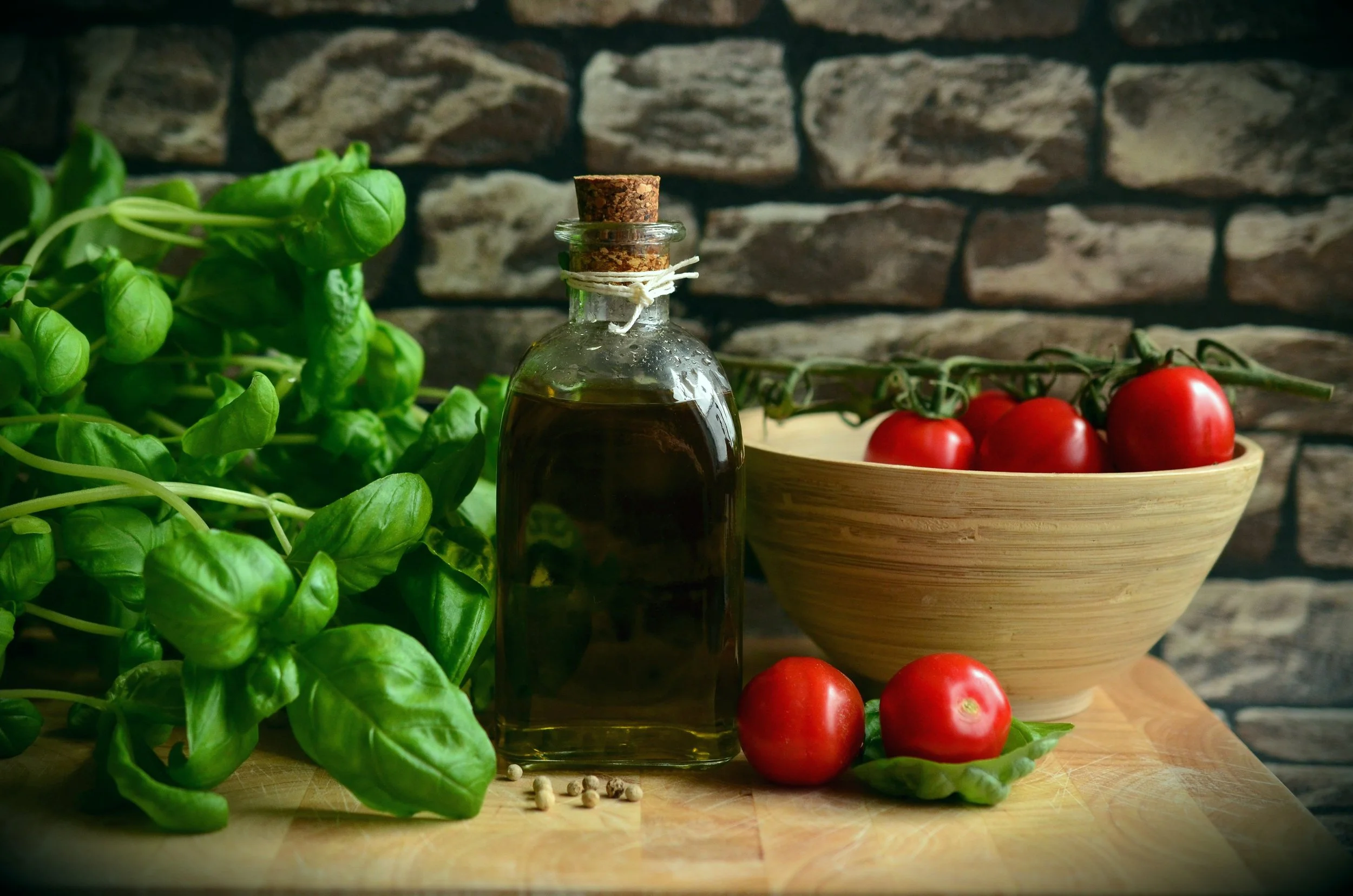
Olive oil, basil and tomatoes photo credit Congerdesign
According to Dr. Kaddoumi, extra virgin olive oil actually be a preventive medicine. “If people use it early enough, even if it becomes a lifestyle in their diet, this can really prevent any of these diseases. My advice to everyone. Please, replace your oil with olive oil. I fry my fish in olive oil, and I fry my chicken in olive oil. But my grandmother told me that it’s not only for cooking, add it to your salad, your drink, right? This is my advice.”
Dr. Morris agrees and recommends including 2-6 tablespoons with your food throughout the day. “The studies show that it's going to enhance the antioxidant and nutrient content of the food you're using it with. Not only is the oil good because it's a monounsaturated fat, it tastes good and it makes you eat more vegetables. That's another reason why it's a great part of the anti-inflammation diet - you put it on a vegetable, increasing its nutrient value, it makes it taste better and it doesn't make you gain weight.”
Lastly, Dr. Morris points out that extra virgin olive oil is “telling your gut to lower inflammation and it's telling you that you're satisfied because it's a fat. And if we look at macro nutrients, fats, carbohydrates, and proteins, it's only the fats that satisfy us. The fats are the ones where our brain is like, oh, yeah, I had enough. And this is why the low-fat craze didn't work.”