
Why Winemakers are Branching Out with Olives
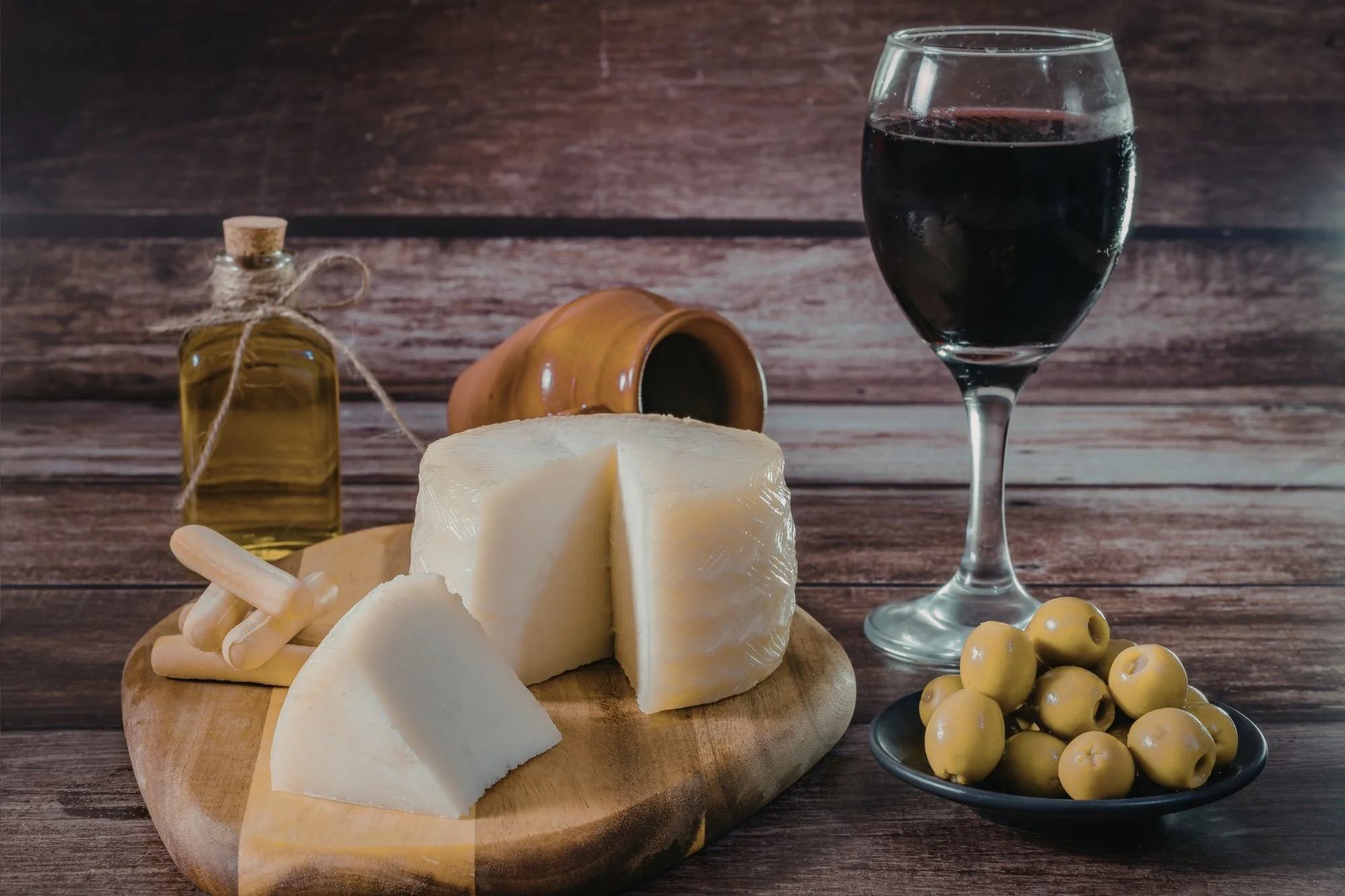
Olive oil and wine
Olives for oil and grapes for wine are often cultivated in the same regions, historically in the Mediterranean, but now, across California, Australia and South America. Anywhere there are warm, dry summers and mild winters, groves of olives and vineyards brimming with wine grapes will be found—sometimes on the same estate and grown by the same people. And as consumer tastes shift, winemakers who may have previously just focused on grape cultivation are “branching out” with olive trees. Global wine consumption reached its lowest level last year since 1961, according to the Organisation of Wine and Vine, while olive oil consumption, especially in the U.S., is set to expand at a compound annual growth rate of 5.2% between 2025 and 2034, according to a report from Polaris Market Research.
The decrease in wine and the uptick in olive oil consumption are two sides of the same coin: a rise in concern over alcohol’s potentially negative health consequences and an ever-keener eagerness to embrace olive oil’s apparent health-boosting properties.
There are various government schemes afoot, especially in France, to actively encourage—even pay—producers to uproot vineyards and replace them with another crop. Recently, the French Agriculture Ministry pledged an additional $150 million to guard against excessive production. Last year, the government paid growers around $140 million to nix vines. But it's not an inexpensive sideline business.
Growing Olive Trees Is A Long Term Investment
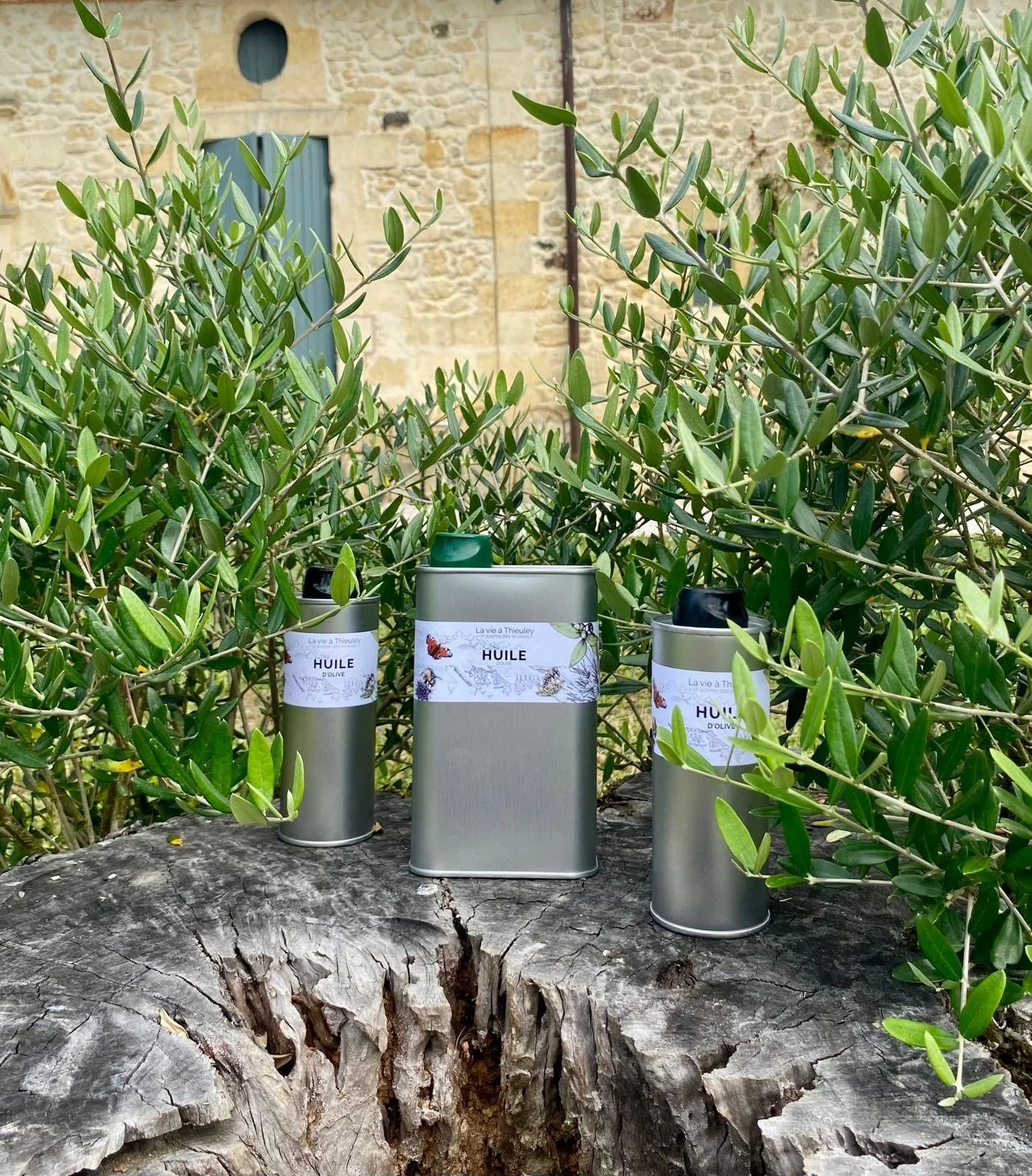
La vie à Thieuley tins
Marie and Sylvie Courselle’s grandfather, André Courselle, planted vines at Bordeaux’s Château Thieuley in 1950, slowly increasing the area from 10 to 200 acres, across three vineyards.
Viticulture wasn’t always easy and smooth, but for decades, business was dependable, and it was passed first to André’s son Francis, and then his daughters, Marie and Sylvie. In the past decade, steady sales have declined, and the sisters reduced their holdings from 200 to around 170 acres in that time.
“We are living in a very difficult period in the wine industry, and more generally in agriculture in France,” Sylvie says. Still, the pair have resisted the opportunity to accept funds from the government, fearing that could impede future expansion if business returns to normal.
Olive Cultivation Can Help with Diversification
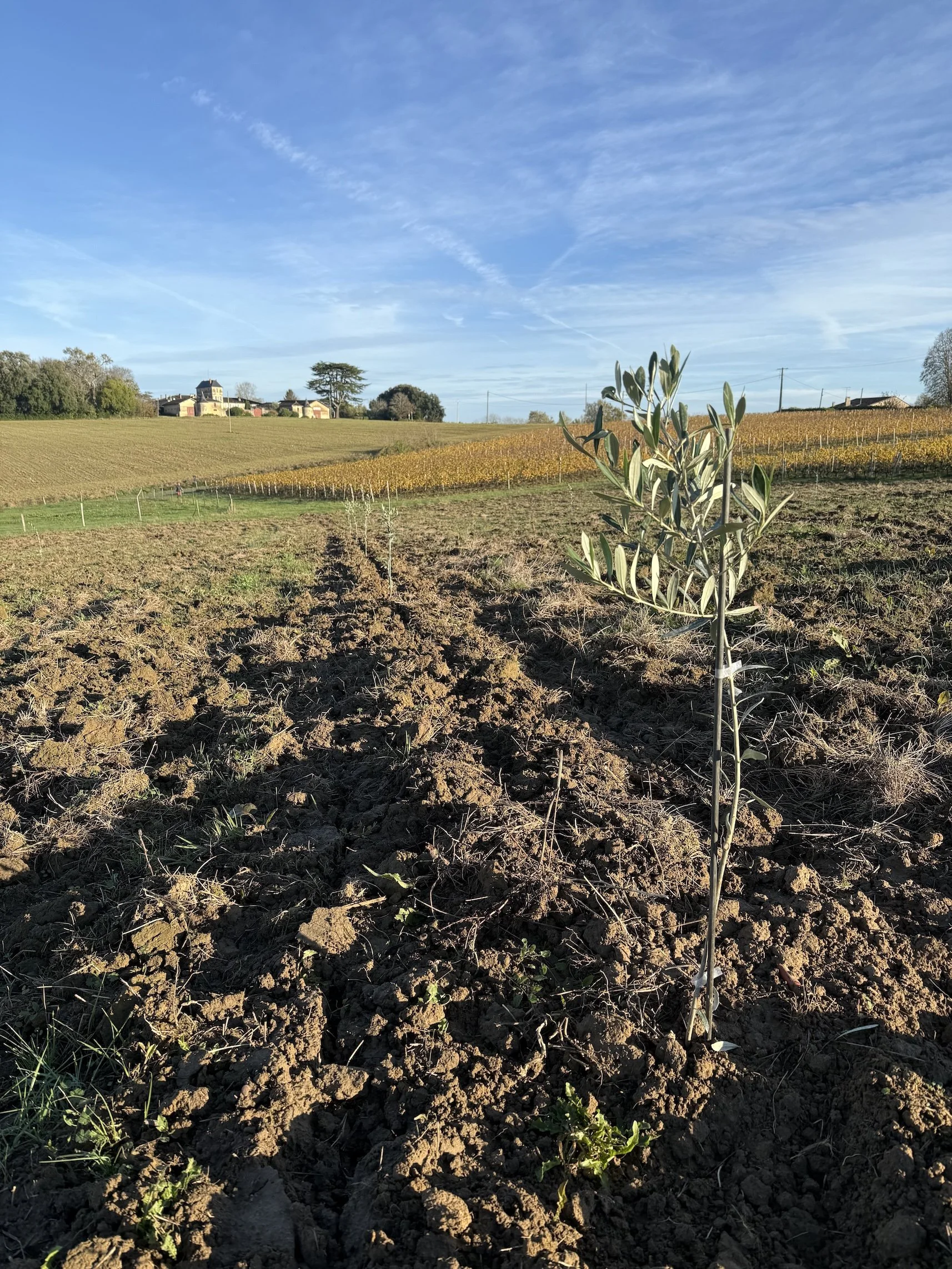
Olive tree growing at Chateau Carsin
“We want to be able to replant what we want in the future if and when the market restarts,” Sylvie says, adding that they did opt to plant 70 olive trees in 2009, initially in a nod to biodiversity, more recently, to diversify income streams as well.
“When we learned there was an olive mill not far from us, we decided to harvest the olives in 2022,” Sylvie says, adding, “We also decided to plant more trees. We planted 135 this year, and will plant 110 more in 2026.”
But the costs of production are high, because they hand-harvest olives and have had irregular yields. So far, they are selling the olive oil at the winery, and they’re launching a wine vinegar line as well.
“The range is quite unique, and as a product of diversification, I think it is worth trying,” she says.
Like premium winemaking, artisanal olive oil production is hardly a business one launches with the hopes of getting rich.
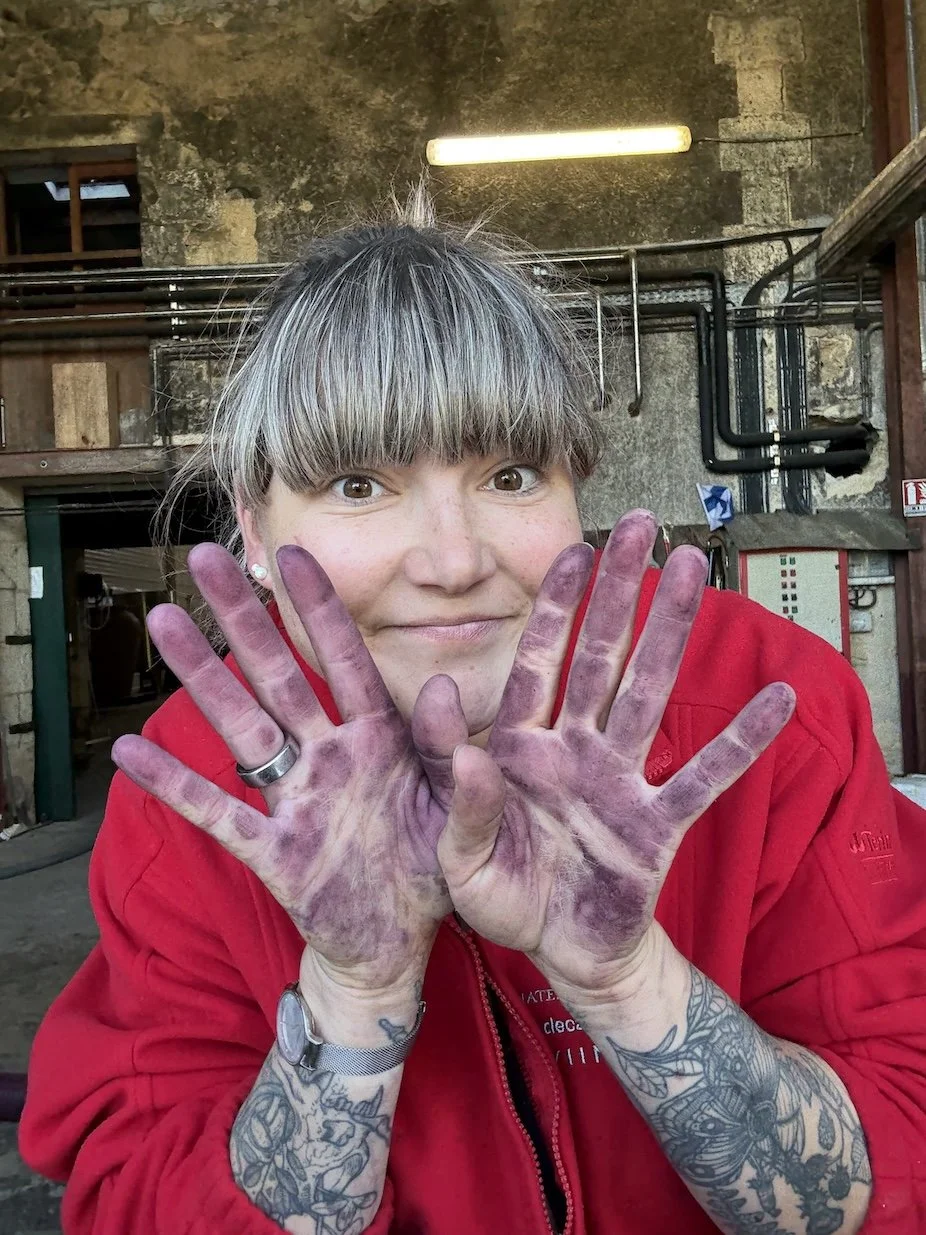
Nea Berglund winemaker at Chateau Carsin
Like Courselle, Nea Berglund, winemaker at her family’s Bordeaux winery, Chateau Carsin, is turning to olive oil production as a natural extension of her vision, and one that will hopefully benefit, but not fundamentally change, her bottom line.
“It is not about gaining more money but creating a dynamic farm and a healthy environment for me, my team, my neighborhood, our clients and our nature,” Berglund says. “I came to Carsin in 2015 so I've been running the show for about 10 years now. In 2015 I had about 22 hectares [54 acres] under vine and since then I have been pulling out old vineyards that no longer produce well, or have too many missing vines.”
Berglund has sold a few parcels as well. Next year, she will have 32 acres of vineyard. Berglund says she already feels “better and lighter knowing that the total costs will be less next year.”
“I have been planning to plant olive trees for a few years” in the areas where vines had been removed, Berglund explains. “I did soil analysis and kept the land without vines for a while to rest. I planted 160 olive trees in November of this year, so the project is very fresh. They are 1-year-olds, so it’s going to take up to six years to get a good crop.”
Berglund plans to produce the olive oils herself, and sell them in the winery and surrounding area to an existing client base.
“I already produce a balsamic that is vineyard aged in barrels, and I’m confident I can sell the future olive oil for those same clients,” she says. “And I chose varieties that can be used for table olives.”
Olive Oil Complements the Wine Experience
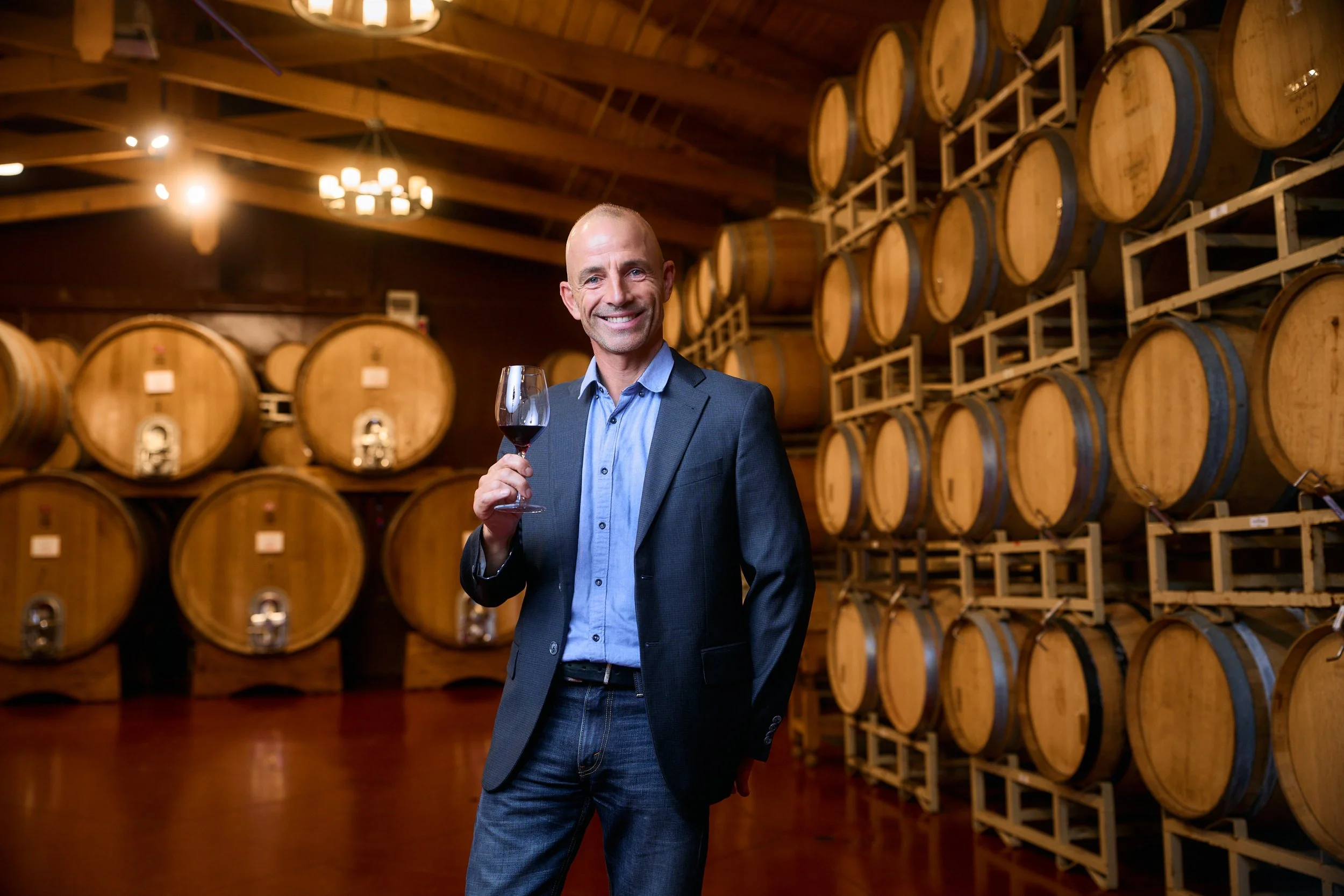
Arnaud Debons, winemaker at Temecula’s Ponte Winery & BOTTAIA Winery
Launching a line of olive oils is a labor of love, but one that does pay off economically for the winery and experientially for their guests, says Arnaud Debons, winemaker at Temecula’s Ponte Winery & BOTTAIA Winery.
“Olive trees are part of our vision for a complete food-and-wine experience,” says Debons. “We now produce olive oil in small batches. It’s a labor of love, and harvesting and bottling are done by hand, and our production is in-house.”
Currently, the oil is offered exclusively in the tasting room and to wine club members. It’s also featured in the restaurant on-site. In the end, Debons says the high cost of production pays off in the quality, and provides enough at a reasonable cost to meet the in-house needs, which balances the scale.
“It also elevates the overall experience we offer,” Debons says. “It’s not a quick fix for economic challenges—the costs and labor involved are significant. The main advantage is deepening the connection between wine, food and lifestyle.”
Increasingly, wine and olive oil are linked, for both passionate producers and consumers. Many of us may be drinking a bit less wine and drizzling a little more olive oil on the dishes we serve with that wine. In time, the balance may shift back. Either way, producers with a diverse range of offerings will be able to serve all of us—and pay their bills.