
What Olive Oil Pros Wish You Knew About Olive Oil
Olive oils at retail
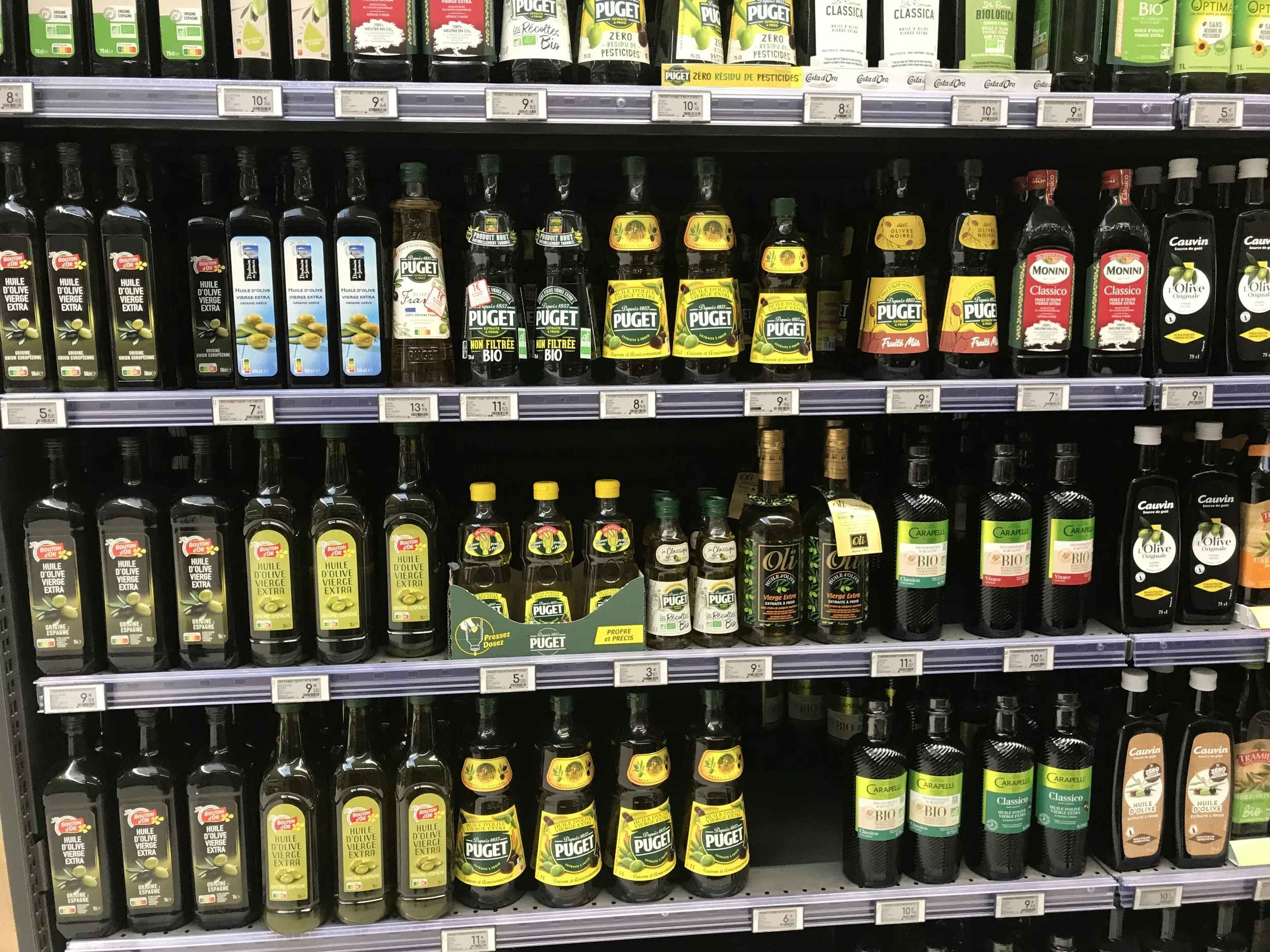
There's a lot of confusion in the olive oil aisle. Bottles promise everything from superior flavor to extraordinary health benefits, with labels boasting terms like "first cold pressed," "high polyphenol," and "premium extra virgin." Some of those descriptions are meaningful. Others are outdated, misleading, or just confusing.

Lori Jean Levy and Giuliana Mackler, extra virgin olive oil experts
If you spend your days working with olive oil, you start to develop some pet peeves. We asked two olive oil experts, Lori Jean Levy, specialty food importer, founder of My Global Table and Portfolio™, and olive oil educator and Olive Oil Professor contributor Giuliana Mackler, to share the misconceptions that drive them both crazy, and what they wish more people understood.
Not All Olive Oil Is Extra Virgin
Graza Frizzle is not extra virgin olive oil
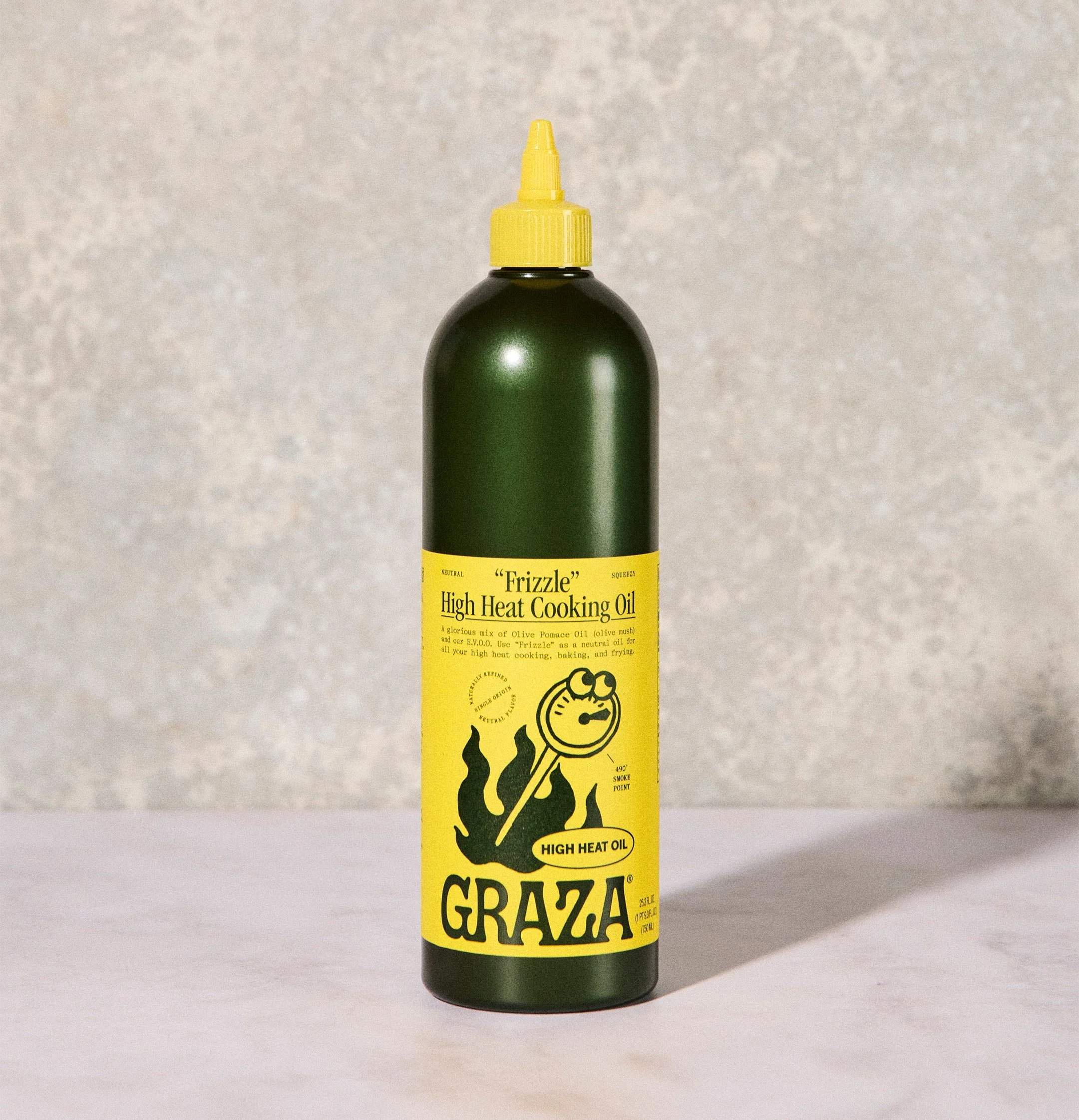
One of Mackler's biggest frustrations is how easily shoppers can confuse extra virgin olive oil with products labeled "pure," "classic," or simply "olive oil." These products typically contain refined olive oil blended with some virgin olive oil. Refining removes much of the flavor and many of the naturally occurring beneficial compounds that make extra virgin special.
Extra virgin is a specific grade, not just a fancy description. To qualify, an oil must meet chemical and sensory standards, including being free of detectable defects. That doesn't mean every extra virgin olive oil is equally delicious, but the designation tells you something meaningful about what's inside the bottle.
Olive Oil Doesn't Get Better with Age
Olive oil tin with harvest date
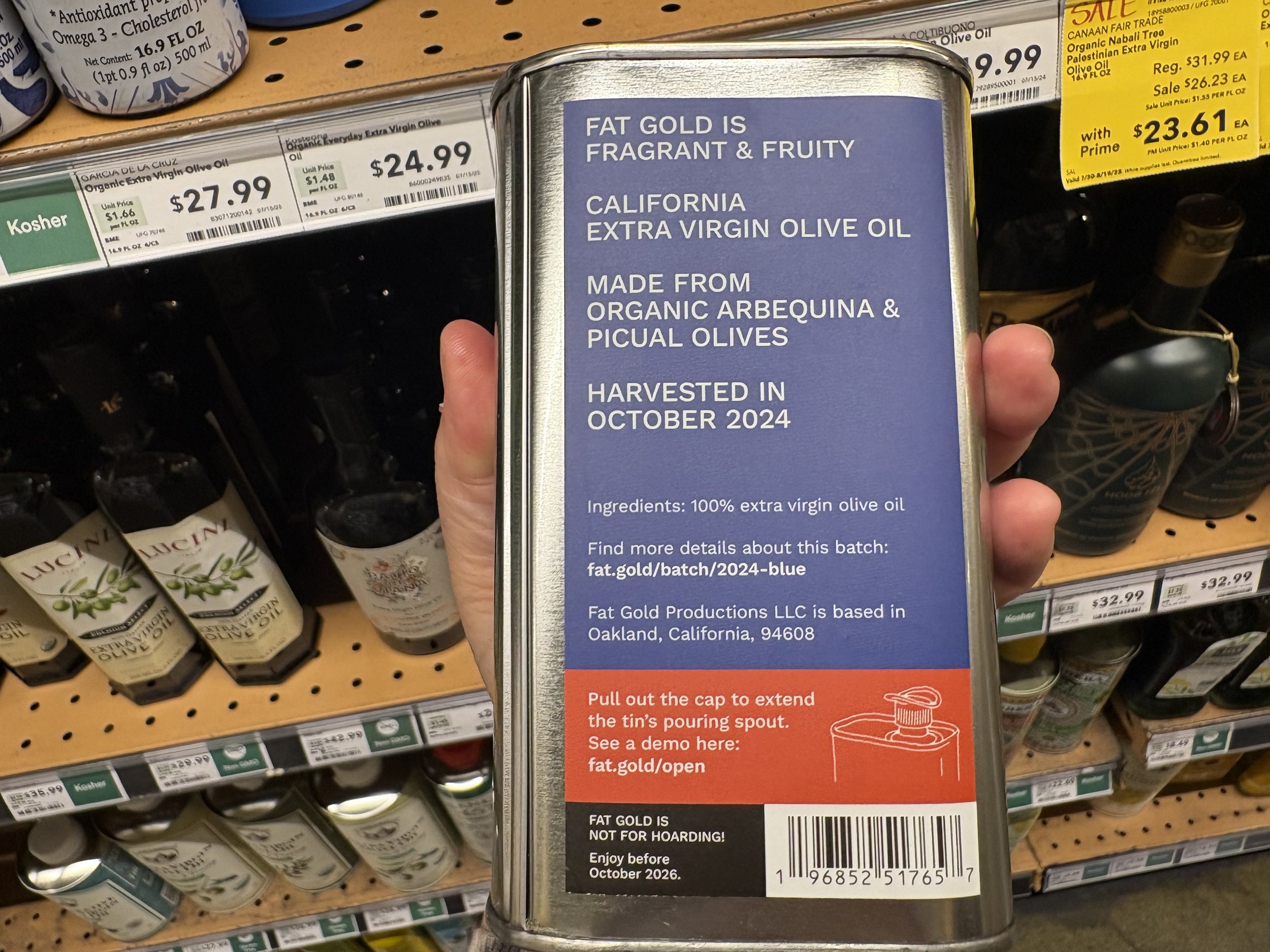
Unlike wine, olive oil doesn't improve with age. Yet shoppers often pay more attention to a best-by date than to when the olives were actually harvested. "The first thing I look for is a harvest date," says Levy. "Freshness is number one."
A harvest date tells you when the olives were picked, while a bottling date only tells you when the oil entered its container. A best-by date is even less informative, since it doesn't necessarily reveal the oil's actual age. Olive oil is a perishable product. Exposure to oxygen, light, and heat gradually diminishes its flavor and quality. Ideally, enjoy it within 12 to 18 months of harvest, rather than saving that beautiful bottle for a special occasion.
"First Cold Pressed" Belongs in the Past
Olive oil labeled First Cold Pressed
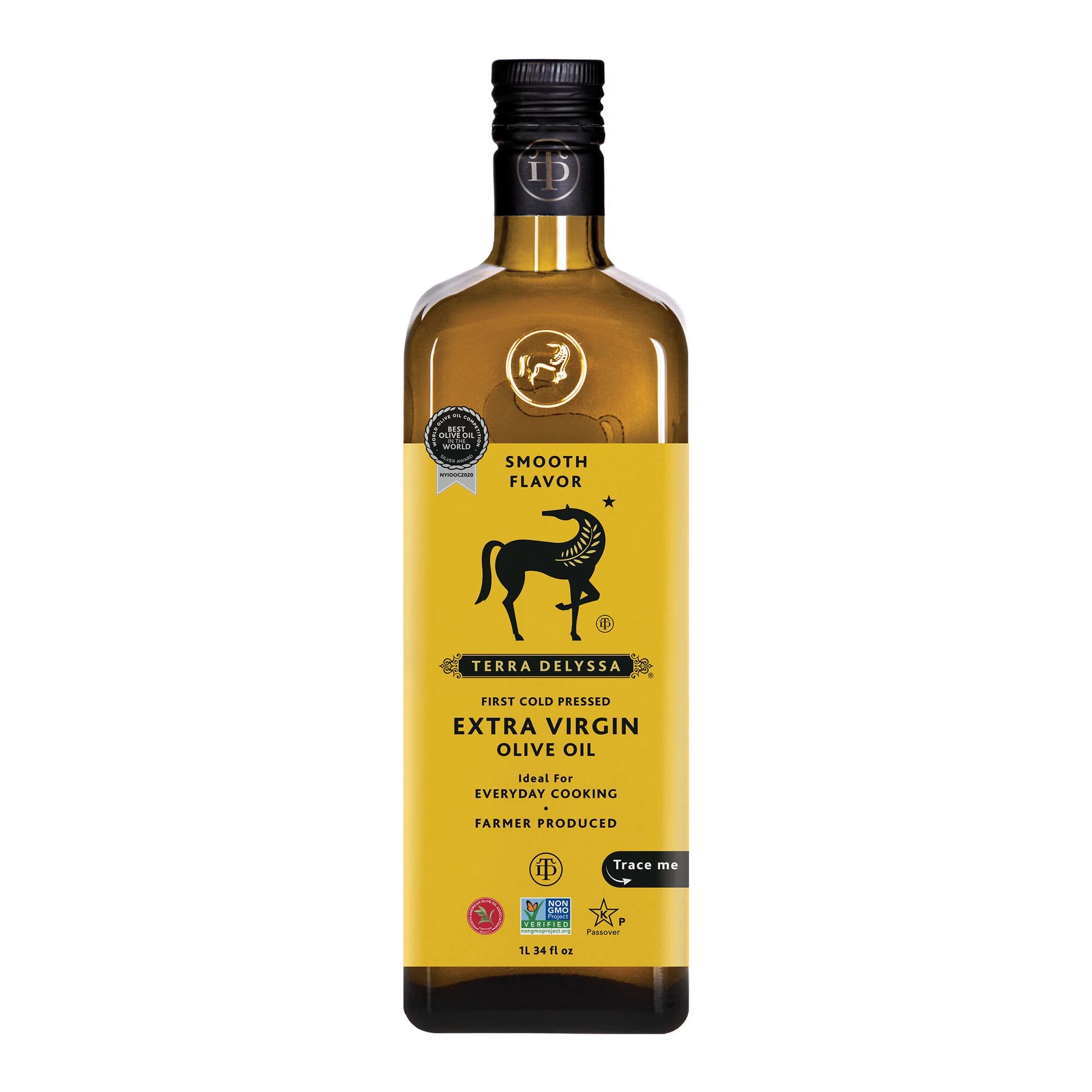
The phrase conjures romantic images of stone mills and traditional olive presses. But most modern olive oil isn't pressed at all. Instead, mills crush olives into a paste and use centrifuges to separate the oil from the water and solids. "Cold pressed has more consumer recognition, so it is still widely used, despite largely being a misnomer," explains Mackler.
"Cold extracted" is the more accurate description for modern production. And "first press" is a holdover from an era when producers might press the same olive paste multiple times. It's a lovely bit of nostalgia, but not much of a selling point.
Greener Doesn't Mean Better
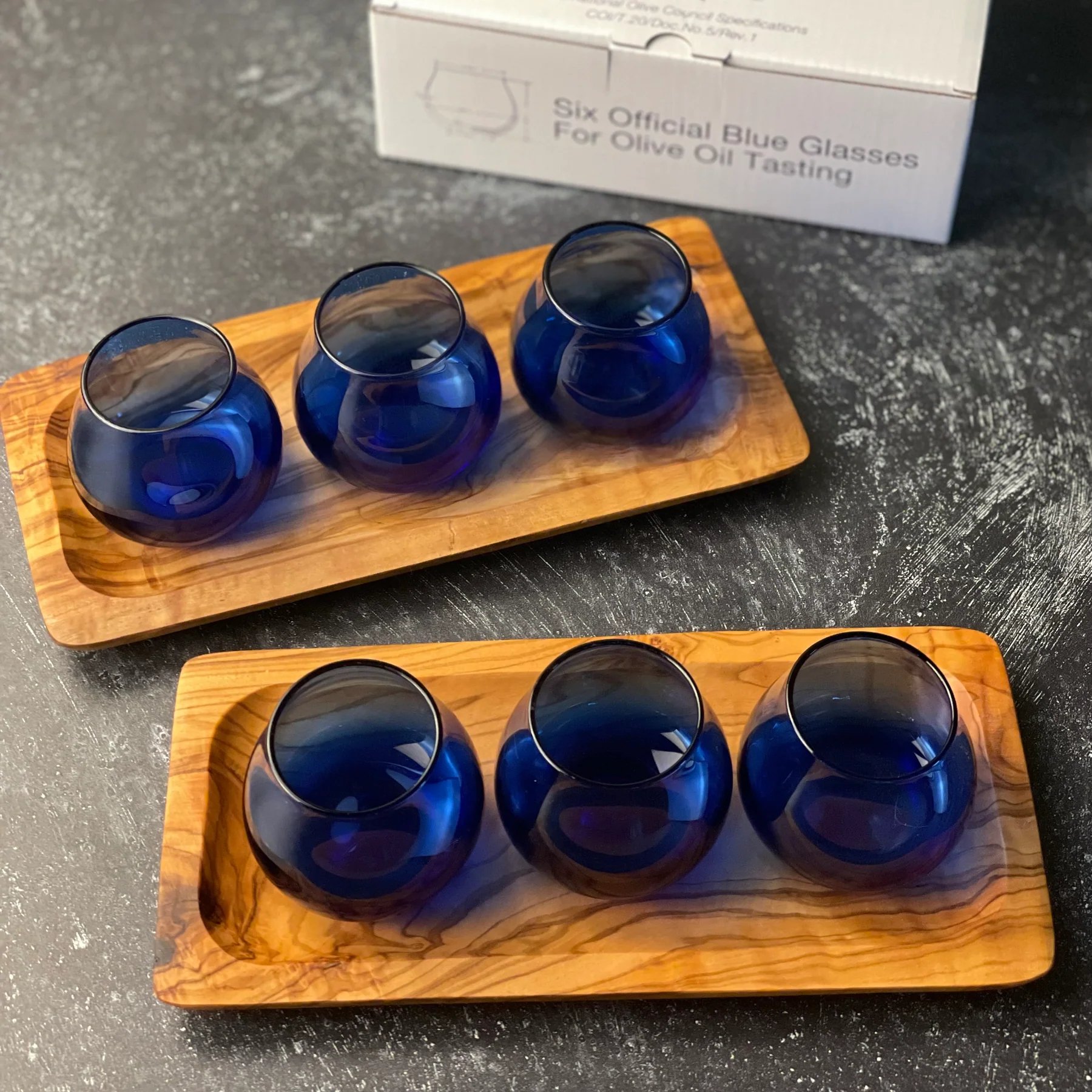
Olive oil tasting glasses photo courtesy of American Olive Farmer
That gorgeous emerald-green olive oil might look especially fresh and flavorful, but color alone tells you little about quality. An oil's hue depends on factors including olive variety, ripeness, and harvest timing. A golden oil can be every bit as excellent as a green one. In fact, professional olive oil tasters traditionally use blue glasses to disguise the oil's color, allowing them to evaluate flavor and aroma without visual bias.
There's no Reason You Can't Cook with Extra Virgin Olive Oil
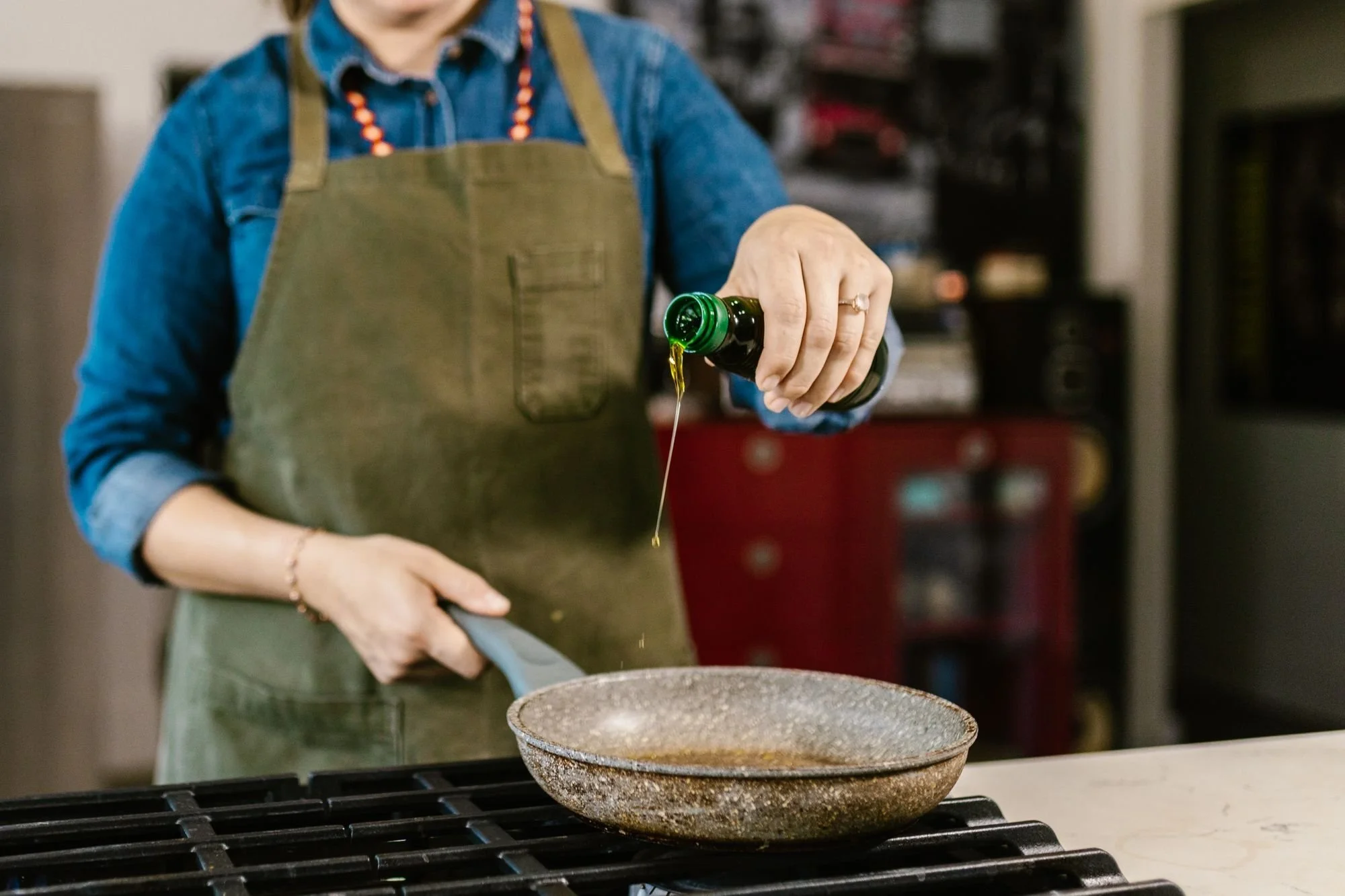
Cooking with olive oil
One of the most persistent misconceptions is that extra virgin olive oil belongs only on salads, for dunking bread, or as a finishing drizzle. In reality, good extra virgin olive oil is suitable for sautéing, roasting, and most everyday cooking, even frying. Its monounsaturated fats and natural antioxidants help it remain stable under heat.
Mackler frequently encounters claims that extra virgin olive oil has an unsuitable smoke point for cooking. She argues that this misconception has encouraged consumers to purchase separate, often refined oils marketed specifically for higher temperatures. There's no need to save your good olive oil exclusively for finishing dishes.
"Light" Olive Oil Isn't Lower in Calories
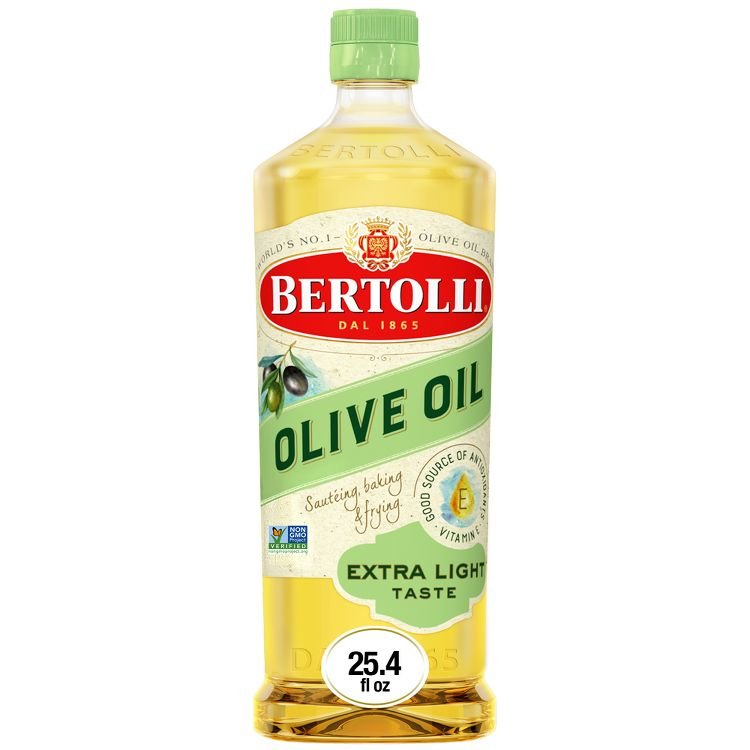
Bertolli Extra Light Taste Olive Oil
Here's one particularly misleading bit of labeling: "light" or "extra light" olive oil doesn't mean fewer calories or less fat. The terms refer to lighter flavor and color, typically achieved through refining. All olive oils contain roughly the same calories per tablespoon. If you're choosing a light olive oil to save calories, you're not getting what you bargained for.
There Is No Single Best Country for Olive Oil

Olive groves in the Mediterranean
Italy, Spain, Greece, California: Which is best? "The question I get asked the most often is what country makes the best oil. The answer is there isn't one," says Mackler.
What matters more is how carefully the olives are grown, harvested, milled, and handled. Levy has another pet peeve: the assumption that blended olive oil is automatically inferior. "Blend is not a dirty word," she says. A thoughtful blend of olive varieties from a single producer can be just as compelling as a monovarietal oil. And a bottle proudly labeled "bottled in Italy" doesn't necessarily contain Italian-grown olives. The specifics matter more than the romantic associations.
More Polyphenols Aren't Always Better
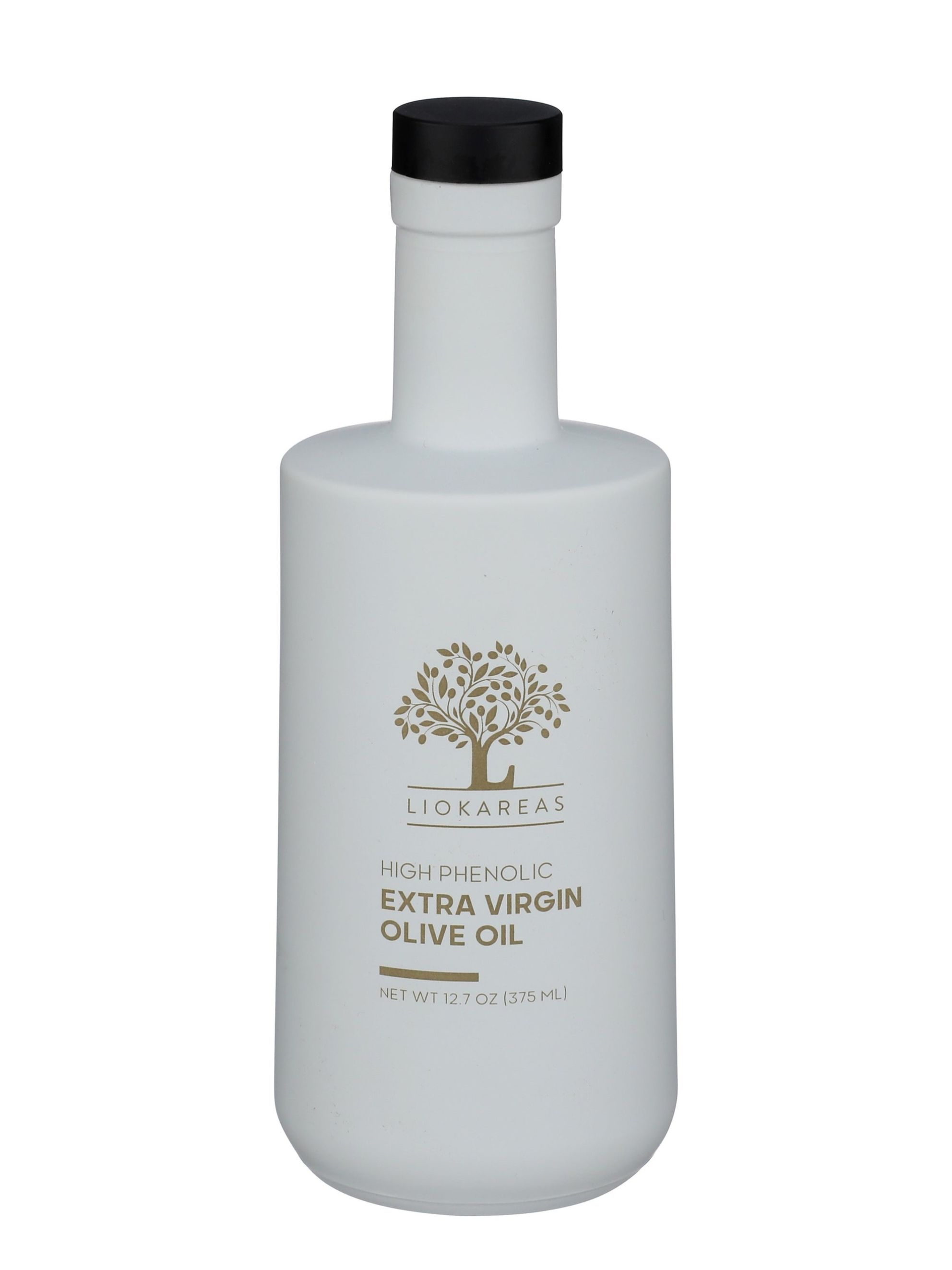
High phenolic olive oil
Polyphenols, naturally occurring compounds associated with olive oil's health benefits, have become a major marketing buzzword. Some bottles prominently advertise especially high concentrations.
But more isn't automatically better. "There is no standardization for high phenolic oil," Mackler explains. Polyphenol levels change over time and depend on everything from olive variety to processing and storage. They also influence flavor, contributing bitterness and that peppery sensation at the back of your throat. An intensely peppery oil isn't necessarily the right choice for every dish.
A Fancy Bottle Can't Make Up for Bad Storage
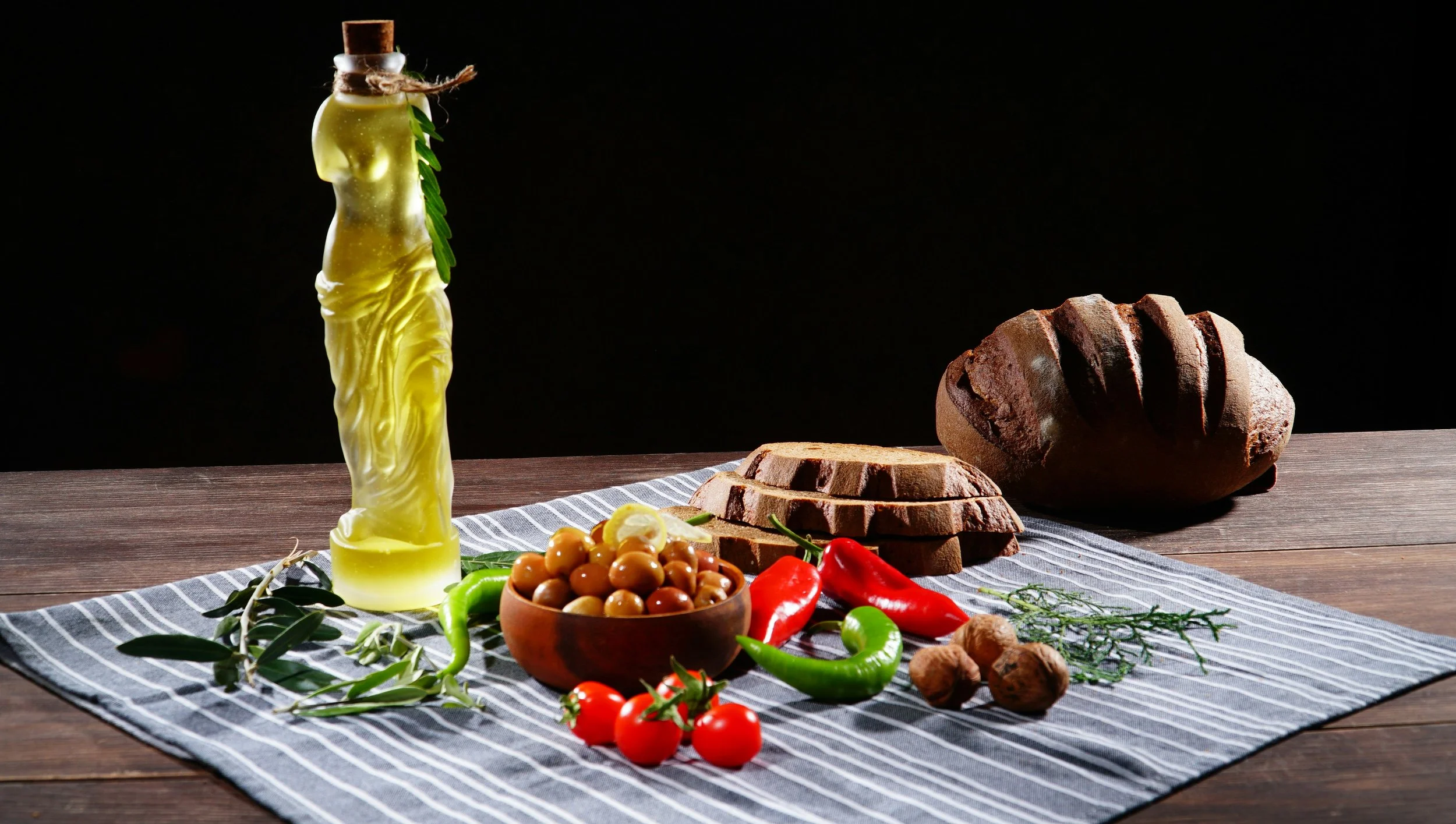
An expensive bottle of olive oil
Even an excellent oil can suffer from poor storage, something both experts wish consumers understood better. Levy has encountered dusty bottles and oils sitting beneath hot store lights, neither of which inspires confidence. Light, heat, and oxygen can all hasten deterioration, which is why dark glass, metal containers, and bag-in-box packaging offer better protection.
For all the attention paid to pretty packaging and impressive-sounding claims, the things that matter most are relatively straightforward: fresh olives, careful production, and proper storage. And, perhaps most importantly, finding an olive oil you genuinely enjoy.