
What Are Olive Oil Pearls?
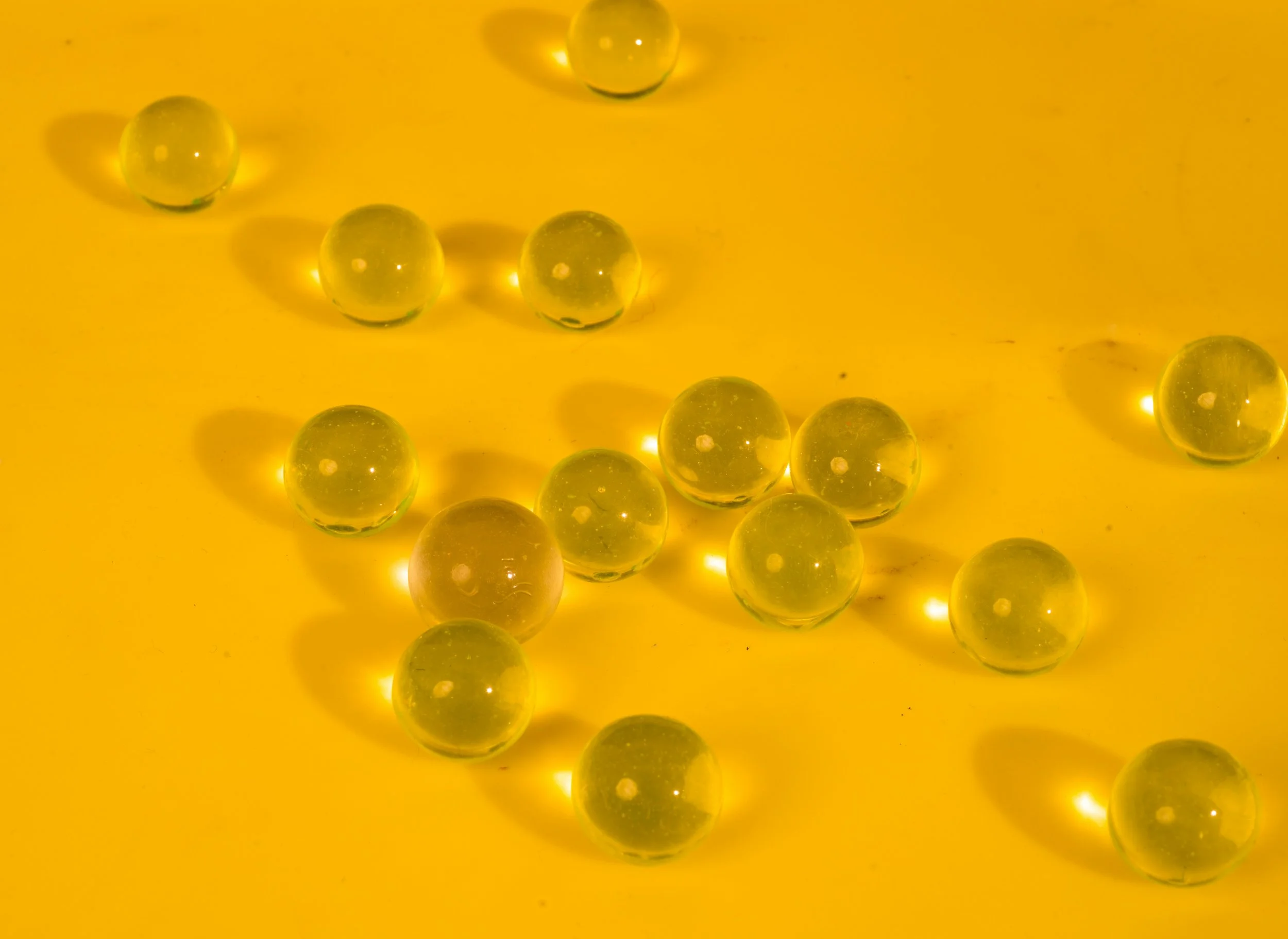
Olive oil spheres photo credit James Graham
Olive oil, with several millennia of history, would seem an unlikely candidate for innovation. But the liquid gold that is olive oil has proven nimbler than one might think, thanks to recent advances in processing, packaging, and positioning. Ever since Rachael Ray uttered the magic syllables “EVOO” on television, olive oil has been on an upward trajectory in the hearts of American consumers, with 50 percent of North American households consuming olive oil today according to the North American Olive Oil Association.
Along with a national obsession with health and wellness trends — especially those that offer big rewards in small packages — a relatively new kid on the olive oil block is poised to attract consumer attention. Promising flavor and textural intrigue, and an antioxidant boost, olive oil pearls are the next big thing for olive oil enthusiasts to pay attention to. Want to get to know these enigmatic olive oil gems? Here’s a primer on olive oil pearls: what they are, how to use them, and brands to know.
What Are Olive Oil Pearls?
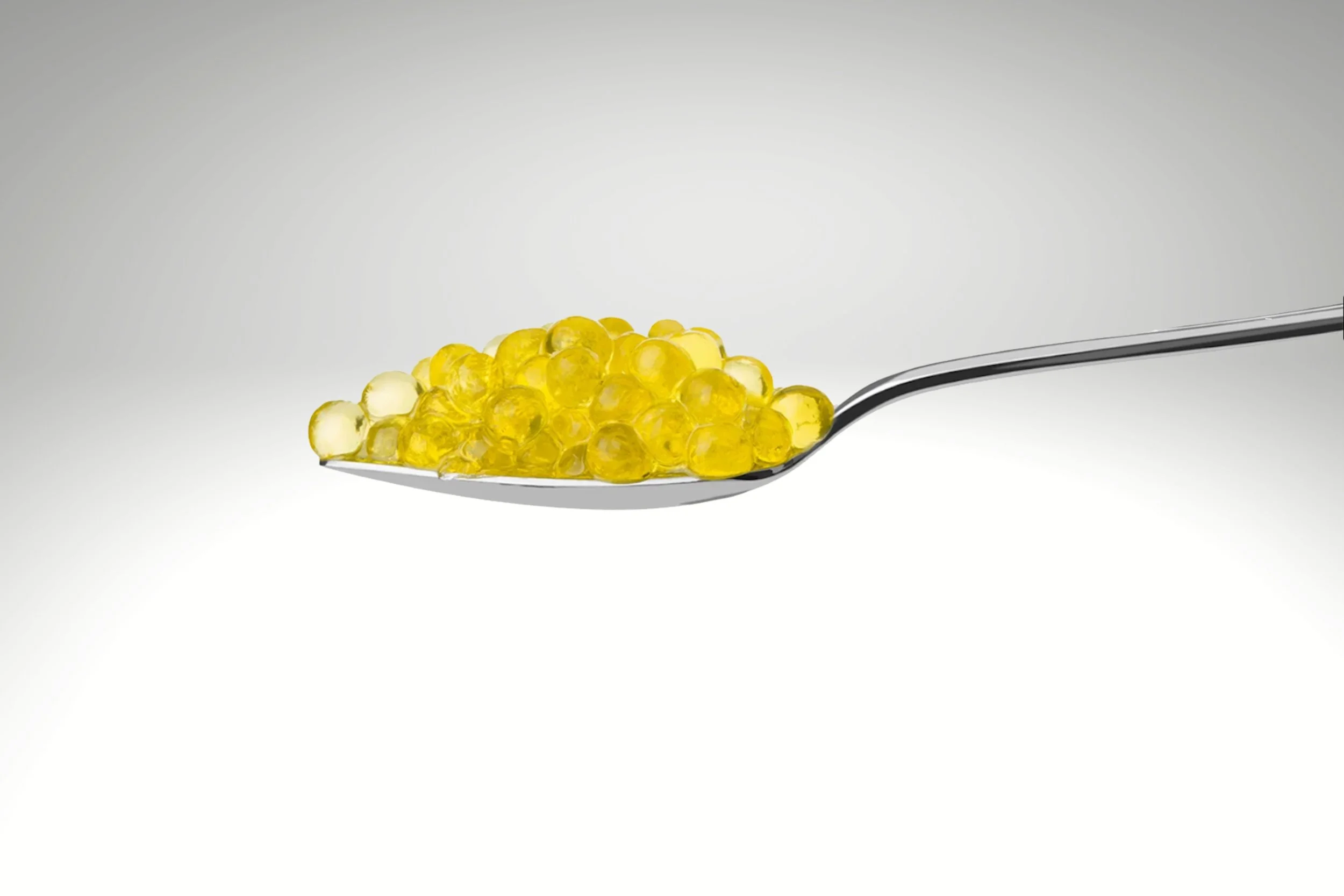
Spoon of olive oil pearls photo credit Caviaroli
Olive oil pearls are simply encapsulated spheres of extra virgin olive oil. Sphere-ified liquids aren’t necessarily a brand new invention, having come to light in the early 2000s. Ferran Adrià of Spain’s famed El Bulli is cited as the molecular gastronomy mastermind to have popularized the practice. In restaurants worldwide since then, one may have experienced spheres of various oils, vinegars, broths, or fruit and vegetable juices as unique bursts of color and flavor garnishing a variety of fine dining dishes.
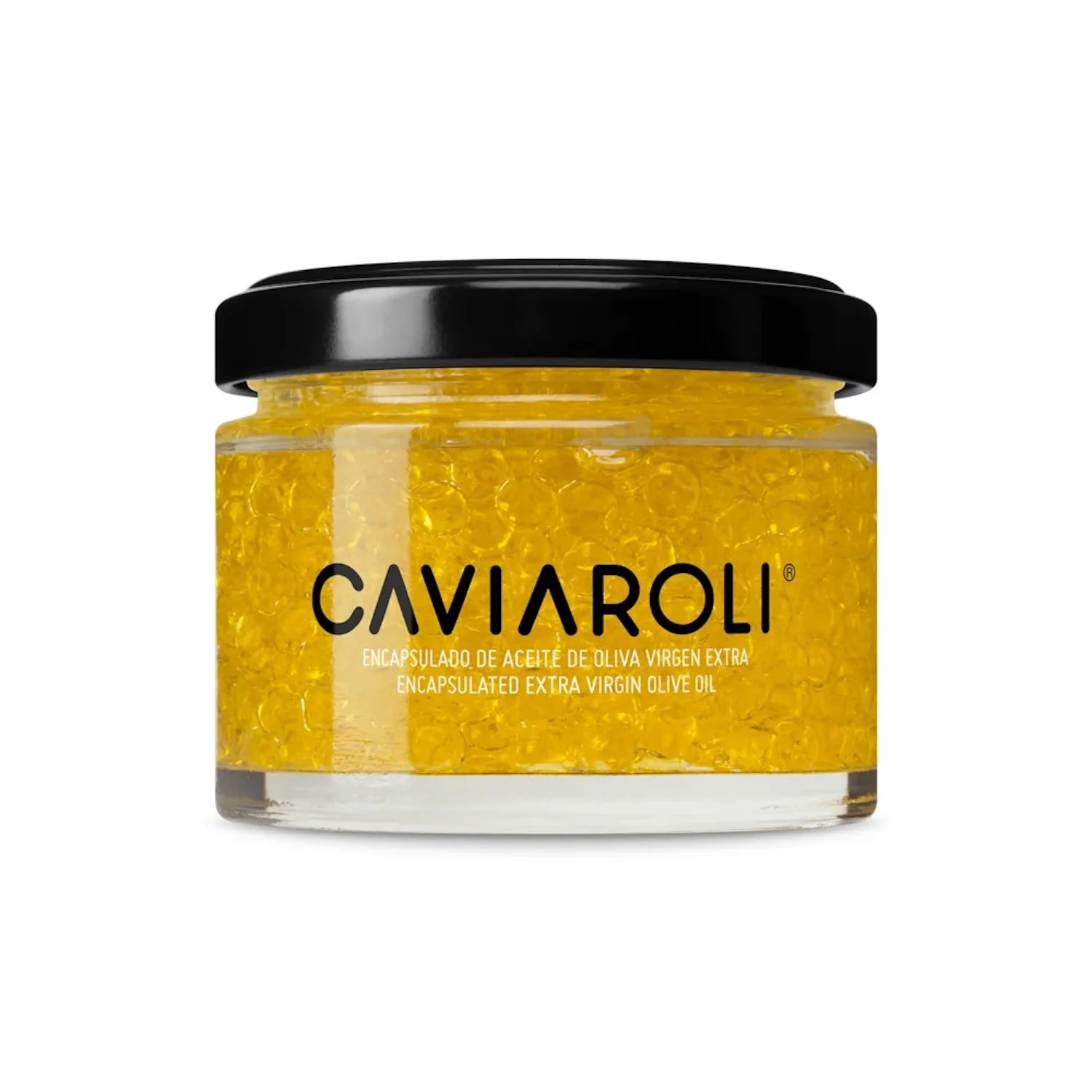
Caviaroli Pearls
In 2011, Adrià was also responsible for helping bring Arbequina-based Caviaroli to the marketplace, the first commercially available olive oil pearls. As a product of molecular gastronomy, however, and not necessarily positioned as a health supplement, Caviaroli’s ingredient list also includes additives such as stabilizing and gelatinizing agents.
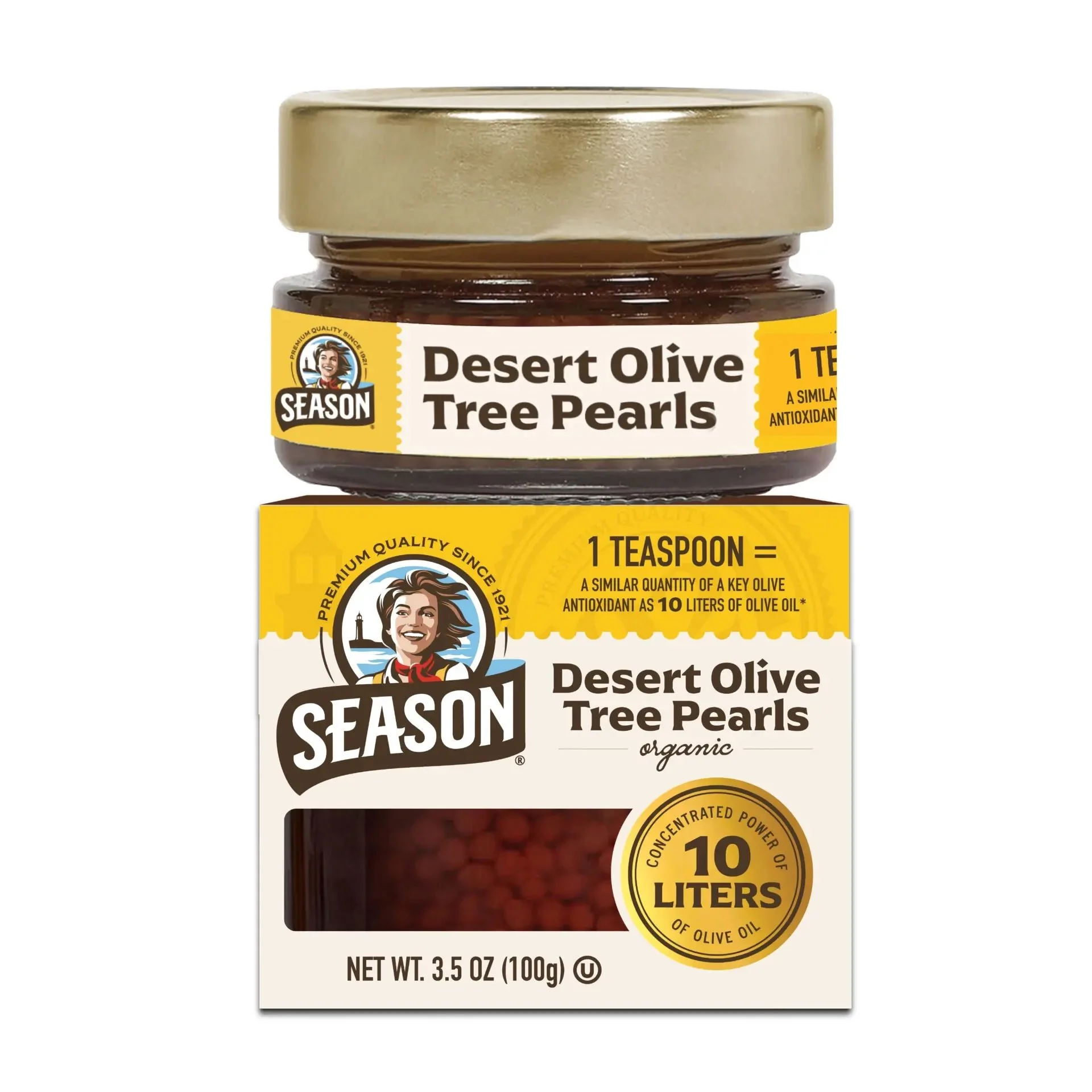
Season Pearls
More recently, other olive oil pearls have launched that aim to elevate the category, offering a purer expression of extra virgin olive oil, with an even higher antioxidant count. Season, the number one brand of conservas in the U.S., recently launched an organic extra virgin olive oil collection that includes olive oil pearls of an entirely different nature. Called Desert Olive Tree Pearls, “they’re just made up of the extra virgin olive oil itself and then olive tree extract,” says Sara Kelly, the brand’s Senior Marketing Manager. Olive tree extract comes from the leaves and bark of olive trees and intensifies the potency. In partnership with a fourth-generation Moroccan olive farmer and scientist, the process of spherification is proprietary but, “the pearls are pure,” says Kelly. “There are no added ingredients that solidify them.”
How to Use Olive Oil Pearls
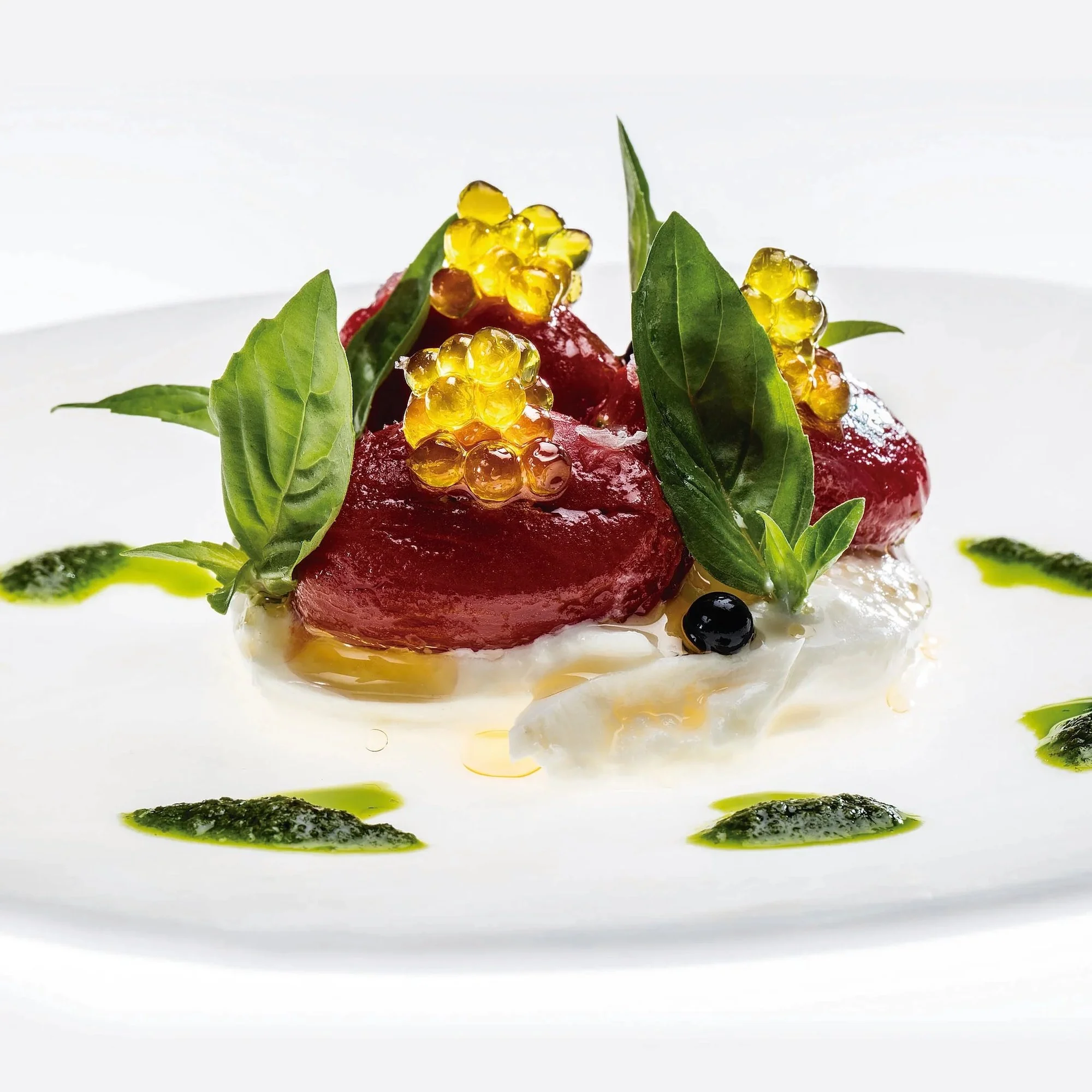
Caviaroli pearls on a plated dish
As a still mostly unknown commodity that can be used both culinarily and for health purposes, “most people have never seen or heard of anything like this,” says Kelly, “so we have to educate them on how to use it, or how to eat it: what kind of recipes to consume with it, and then also the fact that you literally could just take it medicinally,” she says. “It's almost part of my vitamin routine, and you get this incredible amount of antioxidants in one teaspoon.”
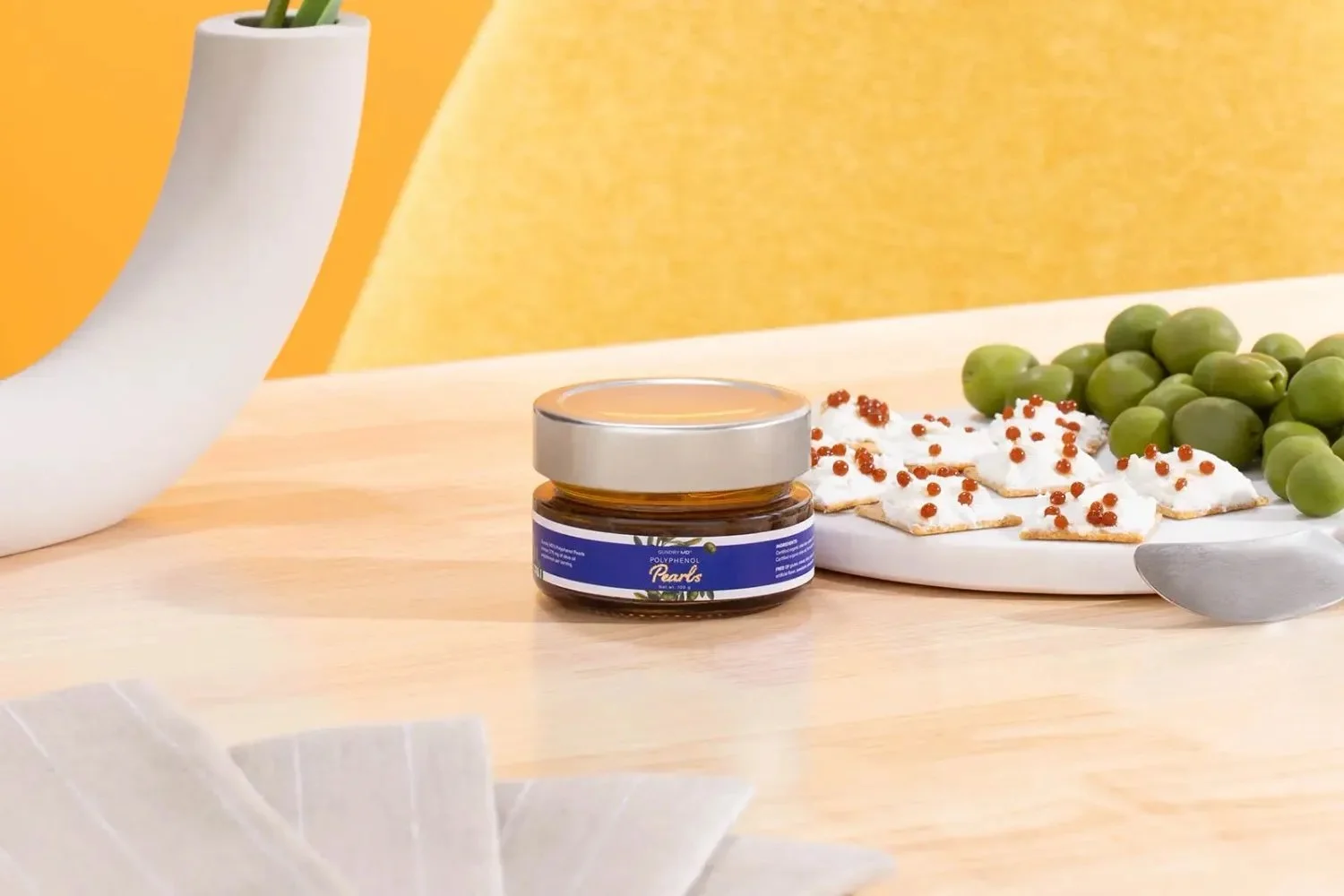
GundryMD Polyphenol pearls
Another olive oil pearl brand is actually promoted by a medical doctor, who emphasizes them more as a supplement than for culinary use. GundryMD, the product line from former cardiothoracic surgeon Dr. Steven Gundry, put Polyphenol Pearls in the market in 2021. Also made from olive tree extract, the ingredient list for Polyphenol Pearls indicates “certified organic olive oil, first cold press,” but not explicitly extra virgin. No other stabilizers or gelatinization agents are indicated.
Of course, for those who love the taste of olive oil, pearls are also something fun to experiment with in the kitchen. Olive oil importer Catania Oils shared instructions for how to make olive oil pearls at home using agar-agar, a plant-based thickening agent that can be found online, or in specialty international grocers or health food markets.
As for readily available pearls such as Season’s Desert Olive Tree Pearls, “you can put these little glistening pearls really anywhere that you would use as a garnish,” says Kelly, who named fruit, yogurt, hummus, whipped feta, and caprese salad as excellent candidates. “They're not salty, but they do have a rich, peppery flavor,” she says. For more elevated preparations, "olive oil pearls provide a texturally rewarding, vegan alternative to caviar,” suggests Nicholas Coleman, Co-Founder and Oleologist for American olive oil producer Grove and Vine. “The green orbs are still celebrated as a choice ingredient in today's molecular gastronomy culture,” he says, “pairing well when spooned atop scallops, seared fish, crostini, and gazpacho."
Olive Oil Pearl Brands
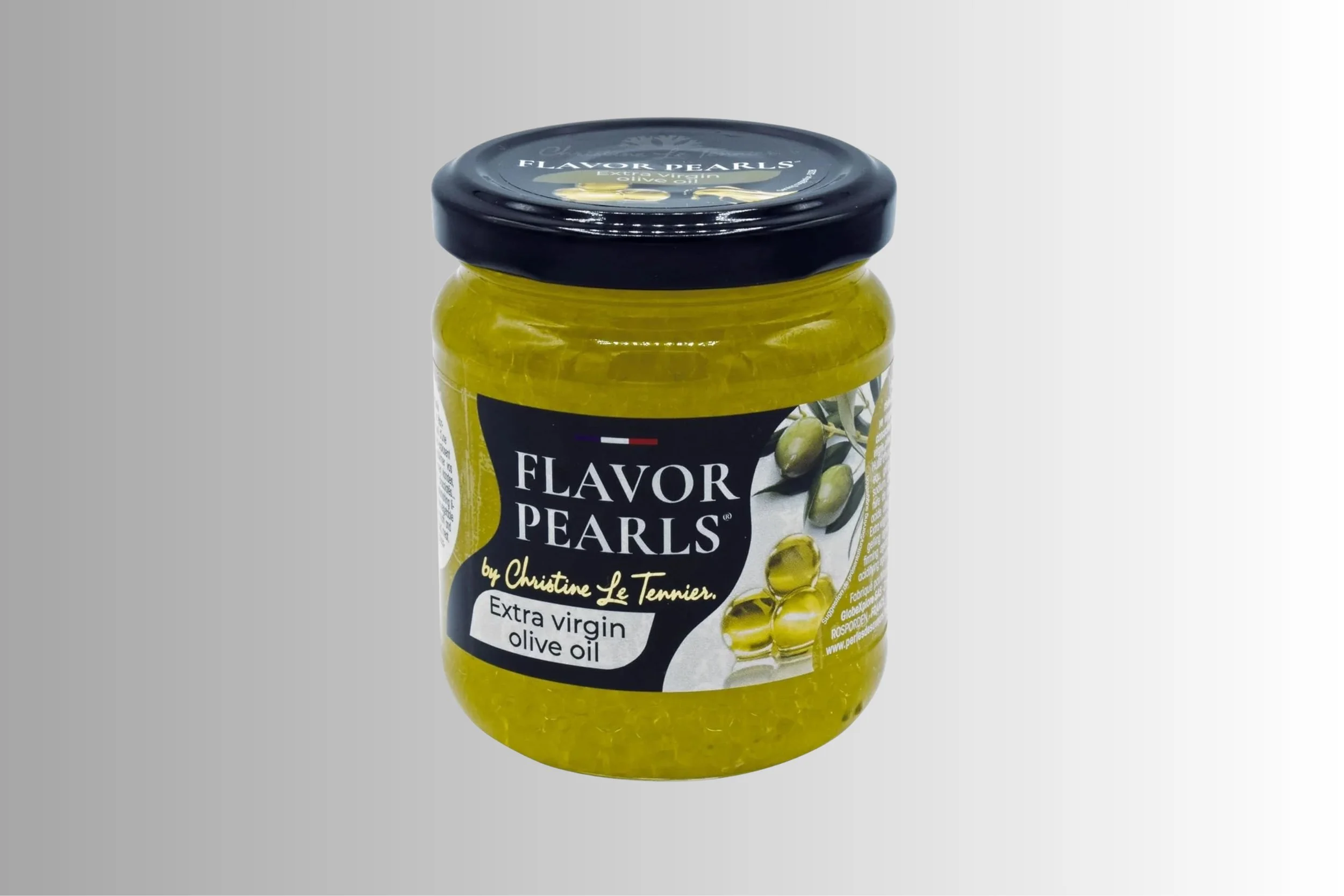
Flavor Pearls by Christine Le Tennier
Commercial olive oil pearl brands are still few and far between, but are likely to increase in availability and popularity in the years to come. Meanwhile, you can find the following brands online, or look for some brands in specialty food markets:
Season Desert Tree Olive Pearls
$29.99 for 3.5 oz
Caviaroli Olive Oil Pearls
$17 for 50g
Also available in Caviaroli Drops, and various flavored pearls
May be available in Spanish specialty food markets
GundryMD Polyphenol Pearls
$35.95 for 100g
Olive Oil Emporium Olive Oil Pearls
$32.95 for 50g
Christine Le Tennier Extra Virgin Olive Oil Flavor Pearls
$45.85 for 6.7oz