
Is Olive Oil a Status Symbol?
From pantry staple to quiet luxury
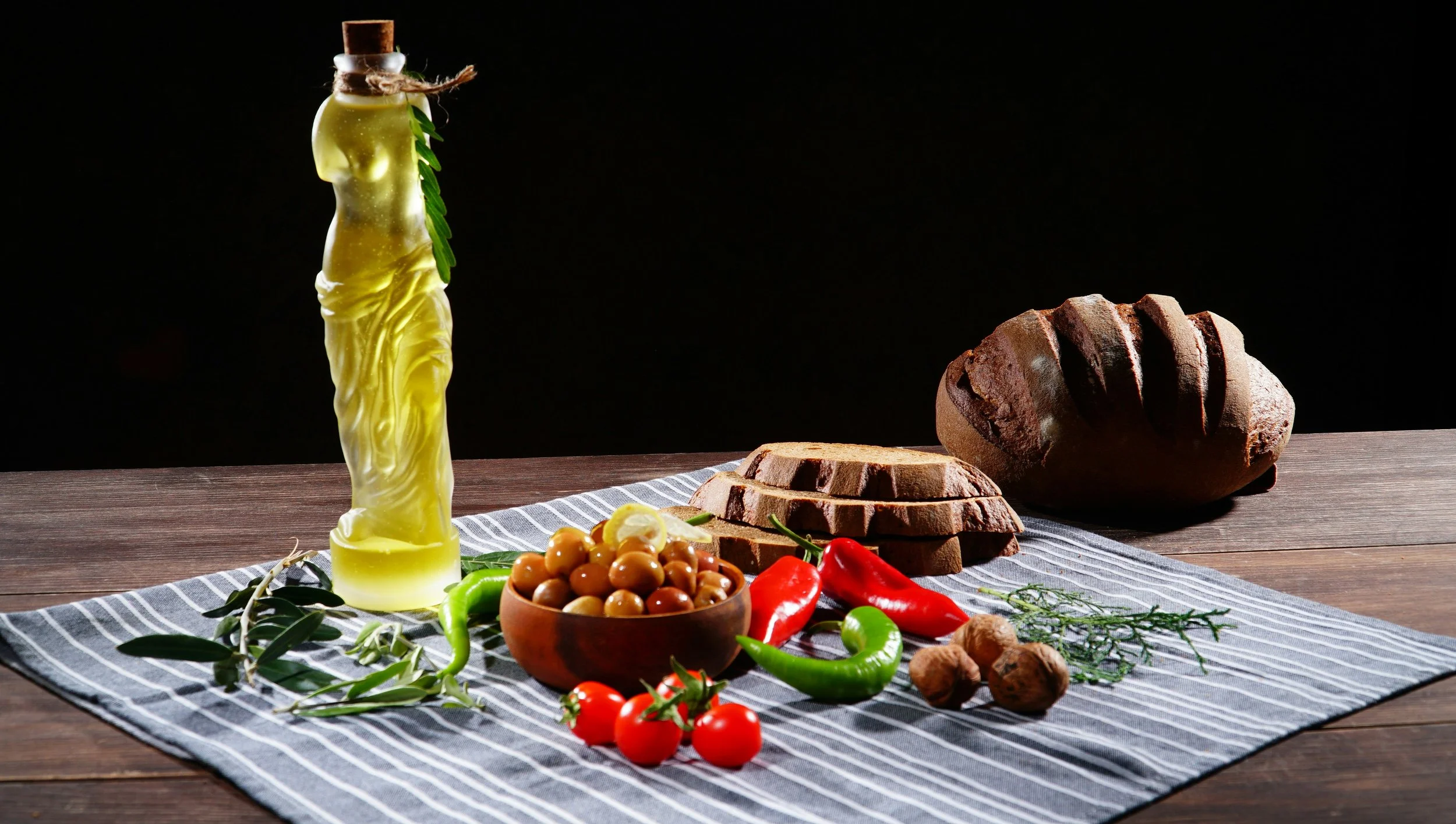
I believe extra virgin olive oil is a status symbol—and I think that's a good thing. What worries me isn’t that olive oil has become a status symbol. It’s what that status means.
Not long ago, olive oil was a quiet resident of the pantry. Used, rarely noticed. Today, it tells a different story.
From Cupboard to Counter
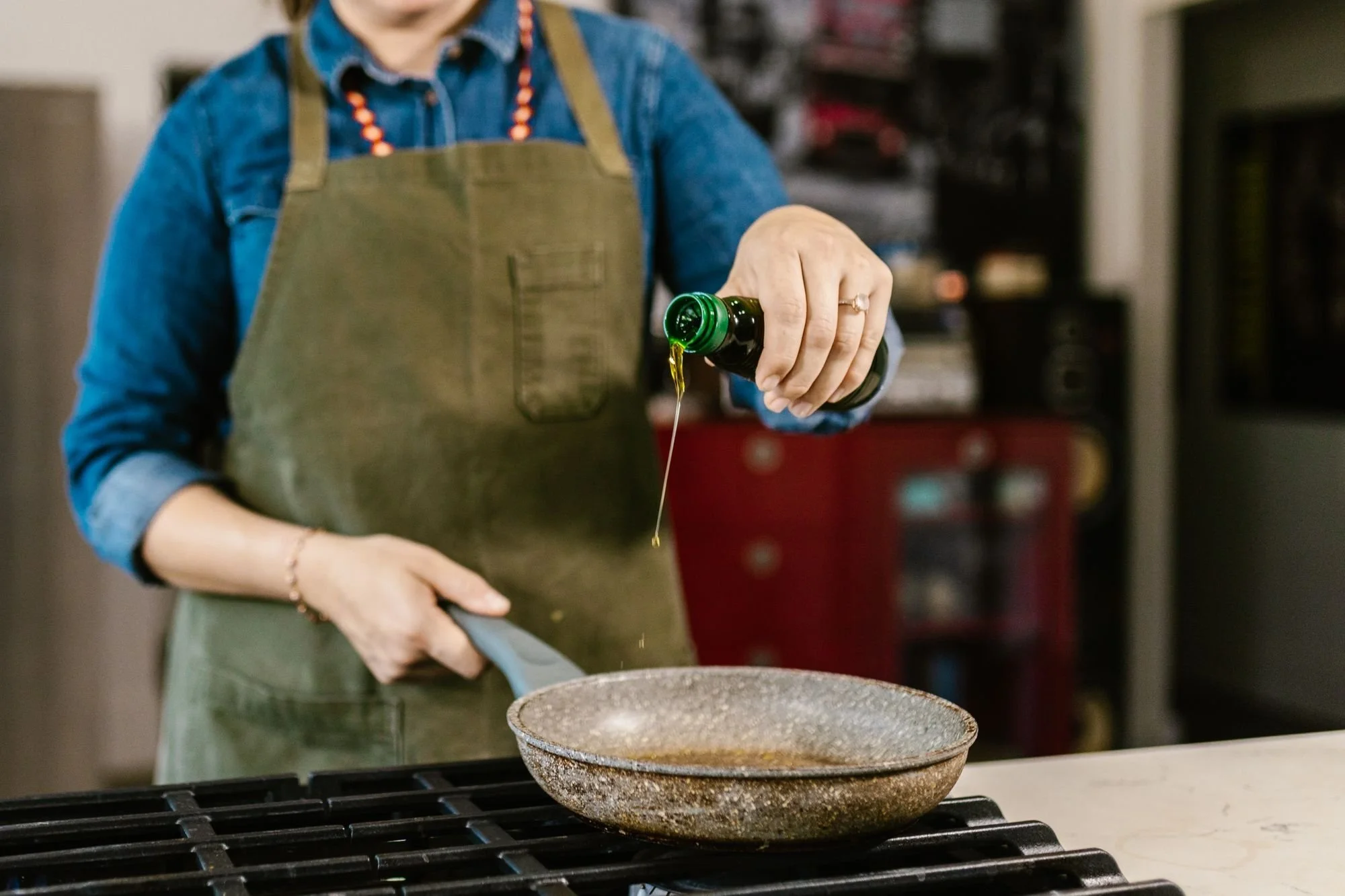
Olive oil has moved from the cupboard to the kitchen counter. It sits beside sourdough bread, fresh tomatoes, and sea salt—ready to be used, not hidden away. It is poured at the table, photographed in natural light, chosen with intention. The bottle is no longer just functional. It signals taste, awareness, and values. Like wine once did, olive oil has become something people discuss, compare, and quietly take pride in.
For more than fifteen years, I have observed olive oil from every angle: in the silence of the grove, the hum of the mill, and the focused quiet of the tasting table. What strikes me most isn’t that olive oil has become a trend; it’s that people have finally become curious. They are starting to ask the exact questions I have spent my career trying to answer.
This shift didn't happen overnight. It reflects a deeper change in how we think about food, health, and luxury. As consumers become more curious about what they eat, olive oil has taken on a new role. It is no longer just a cooking fat; it has become a symbol of provenance, craftsmanship, and care.
What was once a pantry staple is now a kitchen status symbol?
Perhaps that transformation says more about us than about the oil itself.
The Rise of Olive Oil as a Status Symbol
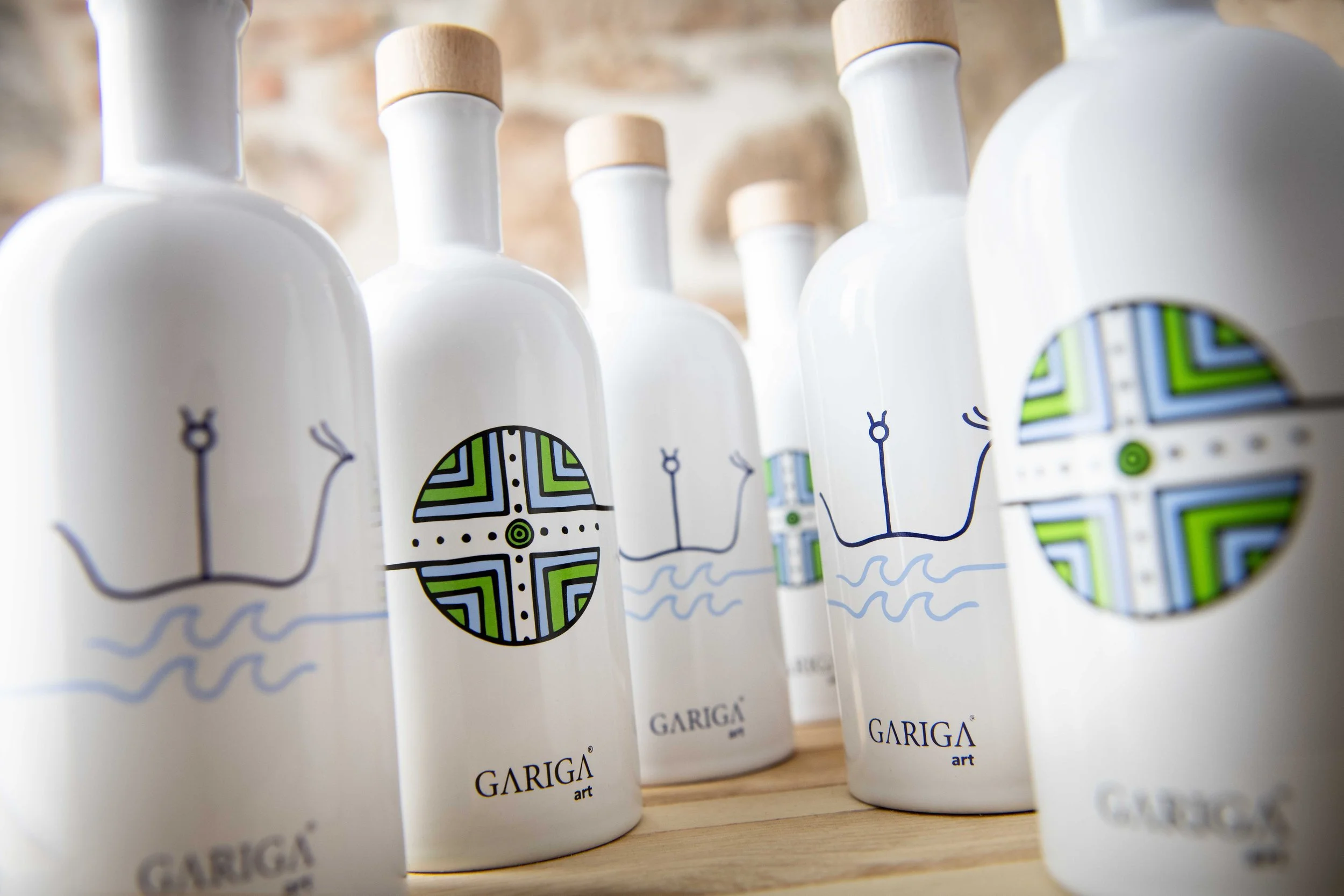
GarigArt bottles
For decades, olive oil was treated as a commodity: interchangeable, anonymous, and judged by price. One bottle replaced another without much thought. What mattered was having olive oil, not which one.
That mindset has changed.
Today's consumers ask questions that once belonged to producers and professionals: Is it fresh? When was it harvested? From which region? Was it cold-extracted? What variety?
I find it encouraging to see how the questions have changed. In my tastings and workshops, people no longer start by asking which olive oil is 'the best'. Instead, they want to know why one oil tastes like freshly cut grass, while another reminds them of green almonds, artichokes, or tomato leaves. They ask why bitterness is important and why fresh oil leaves a peppery sensation in the throat.
These questions matter far more to me than the answers themselves. They show me that people are becoming curious. Curiosity is where appreciation begins.
Olive oil is no longer just an ingredient. It has become a choice that reflects personal values.
In many ways, olive oil is following the path wine took years ago. Terroir, harvest year, and sensory notes are part of everyday conversations. Yet unlike wine, olive oil enters our lives quietly. It doesn't wait for celebrations. It appears every morning, with every meal, in the simplest of moments.
What makes olive oil a modern status symbol isn’t excess or display. It is discernment. It's the quiet confidence of knowing that quality often speaks for itself.
Why Consumers Care Now - And Didn’t Before
The renewed interest in olive oil reflects a broader shift in food culture. For years, convenience and speed shaped our kitchens, while flavor and origin were secondary concerns.
That era is fading.
As conversations around polyphenols, inflammation, and cardiovascular health become more common, olive oil has returned to the center of the conversation—not as a trend, but as an everyday staple. It is increasingly associated with longevity rather than quick dietary fixes.
The shift extends beyond the kitchen. Growing concerns about public health have renewed interest in functional foods, while ultra-processed products have begun to lose their appeal.
In a world filled with long ingredient lists, olive oil offers remarkable simplicity: one fruit, one press, one bottle. People are beginning to discover that simplicity can be remarkably sophisticated. The more they learn about olive oil, the more they realize how much care, timing, and craftsmanship can exist inside something that appears so uncomplicated.
Its appeal isn't built on spectacle, but on the quiet consistency of showing up day after day.
Inside the Bottle: What Makes Olive Oil Worth Showing Off?
As interest grows, so does confusion. In a market full of elegant labels and bold claims, appearance often overshadows substance.
Yet the true hallmarks of a great olive oil are surprisingly simple.
Freshness
Olive oil is essentially fresh fruit juice. Its character begins to fade from the moment it is produced. Vibrant aromas, a lively bitterness, and a peppery finish are all signs of freshness.
One of my favorite moments during a tasting is watching someone experience truly fresh extra virgin olive oil for the first time. There's usually a brief pause after the peppery sensation appears. Then comes the inevitable question: "Is it supposed to taste like this?" I always smile. Because that's the exact moment olive oil stops being just another ingredient and becomes something alive.
Harvest Timing
Harvest decisions shape an olive oil long before it reaches the bottle. These decisions demand patience.
As a producer, I've learned that some of the most important decisions are also the least visible. Harvesting earlier often means accepting a lower yield in exchange for greater freshness, more vibrant flavours, and higher phenolic content. It's a choice that may never be noticed by someone standing in front of a supermarket shelf, yet it changes everything inside the bottle.
Protection
Light, heat, and oxygen are the quiet enemies of quality. Proper storage and dark glass bottles are not marketing choices—they are essential for preserving quality.
Over the years, I have tasted beautifully packaged oils that were disappointing, and remarkably modest bottles that left a lasting impression. A gold-foiled label cannot disguise a tired harvest. True luxury in olive oil has never been about appearance. It has always been about honesty—about the transparency of the process and the integrity of what's inside the bottle.
When Curiosity Meets Craft
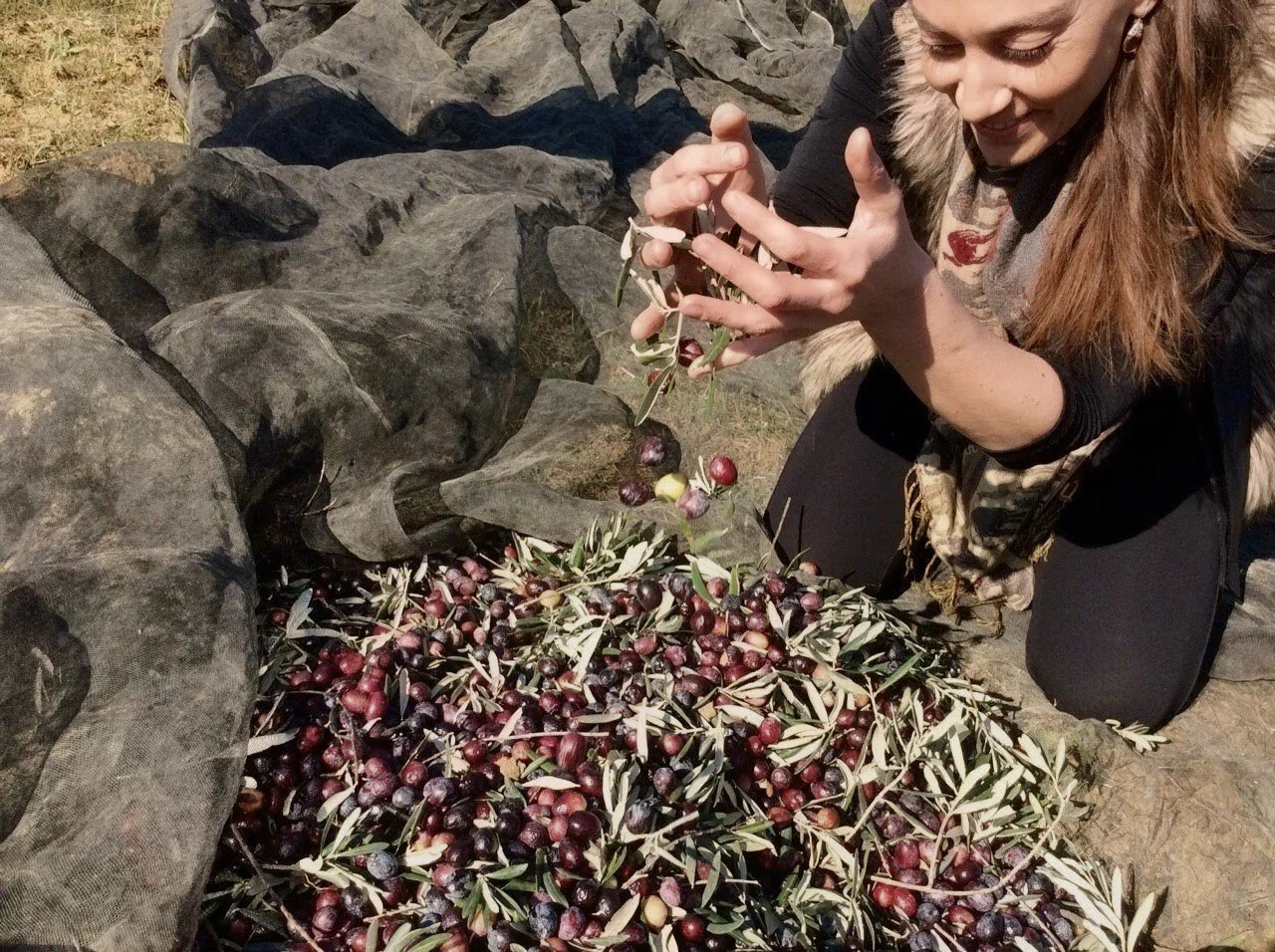
Just picked olives for olive oil
This transformation did not begin on the shelf alone, nor did it start with the producers. It grew from a gradual shift on both sides of the table. As consumers became more curious, producers responded; and as producers raised the bar, consumer expectations rose in return. Over time, this quiet exchange pushed quality higher across the entire sector.
Becoming a producer changed the way I look at every bottle.
I still taste the aromas, the bitterness, and the peppery finish. But now I also taste the decisions behind them.
I see the invisible work behind every bottle—the patience, the compromises, the people, and the countless choices that never appear on the label. Some begin in the grove. Others happen at the mill. Yet every one of them shapes what eventually reaches the table.
Perhaps that's why I can never see a bottle of extra virgin olive oil as simply a product. I see a season. A landscape. The quiet work of many hands.
When olive oil sits on a countertop today, I don't just see a beautiful bottle. I see a conversation between the grove and the kitchen—between the producer and the person who chooses to care.
Olive Oil as a Daily Ritual, Not a Trend
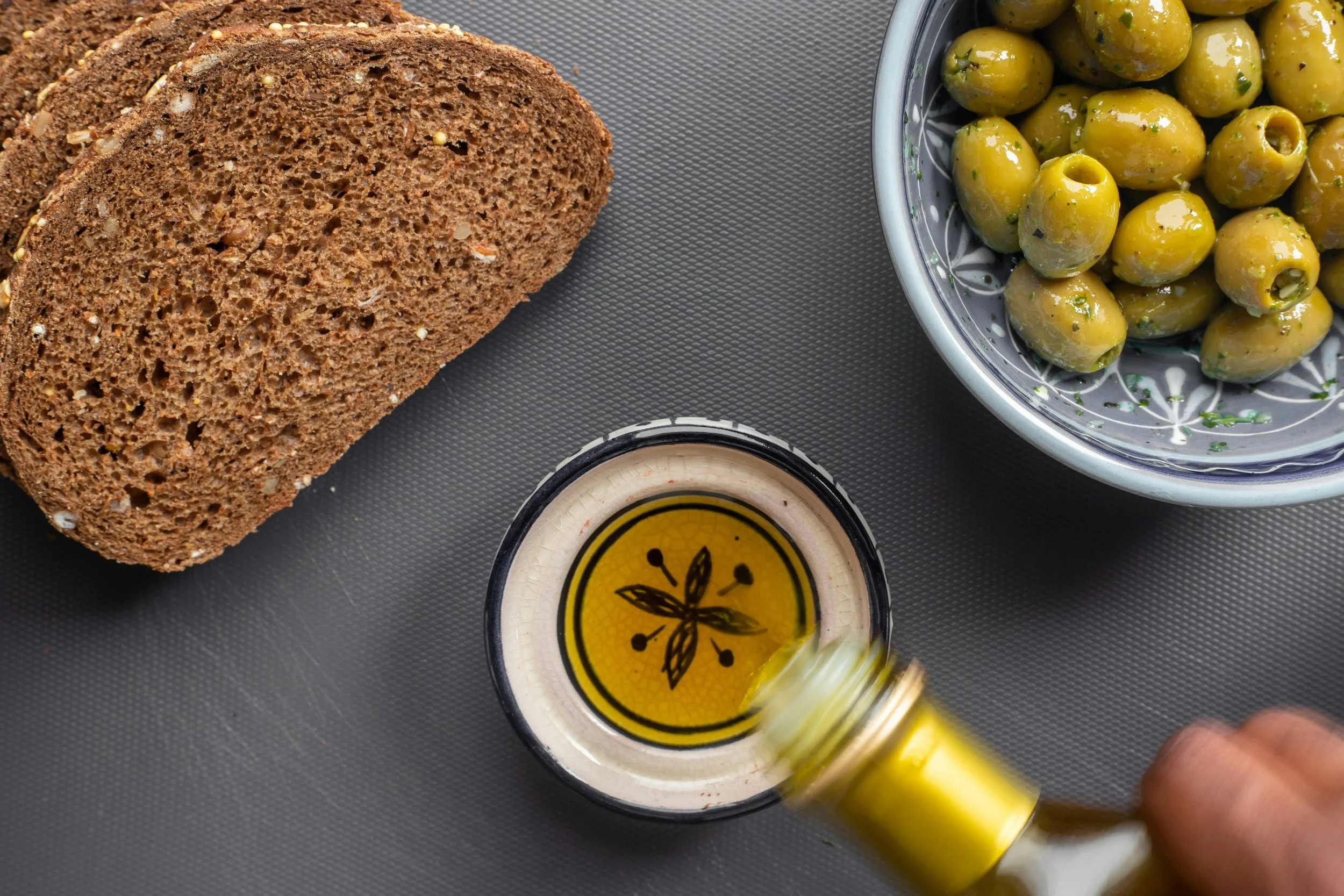
Trends fade quickly. Rituals endure.
The true power of olive oil lies not in its rise as a status symbol, but in its return to everyday life with renewed meaning. A drizzle over bread in the morning or a simple salad dressed with care are small gestures, repeated often.
This is where olive oil finds its place - not as an object of display, but as a quiet companion. A quiet reminder that nourishment doesn't need to be complex to be meaningful.
What This Shift Really Says About Us
Olive oil's journey from pantry staple to kitchen countertop mirrors something much larger than a food trend. It reflects a cultural shift. We consume less, but we ask for more: more transparency, more craftsmanship, more connection.
So yes—olive oil has become a status symbol. And I stand by that, on one condition: let that status belong to knowledge rather than wealth.
I'd much rather hear someone talk about harvest dates, freshness, or bitterness than simply mention an expensive bottle by name (and perhaps price). Because appreciation doesn't begin with price. It begins with understanding.
Over the years, I've come to believe that olive oil is never just about olive oil. It is about the choices we make. The things we learn to notice. The people we choose to trust.
Now, whenever I pour fresh extra virgin olive oil over a simple slice of bread, I rarely think about the bottle itself. I think about the people who woke before sunrise. The harvest that couldn't wait another day. The mill filled with the scent of freshly crushed olives.
The quiet decisions that no one will ever see—yet everyone will eventually taste.
Perhaps that is what quiet luxury really means today. Not owning something rare. But understanding the story behind something beautifully ordinary.
Because once you truly know olive oil, you never pour it quite the same way again.
And perhaps that's the only kind of status worth aspiring to.