
How a Chance Meeting Started Olivaia’s OLA Olive Oil
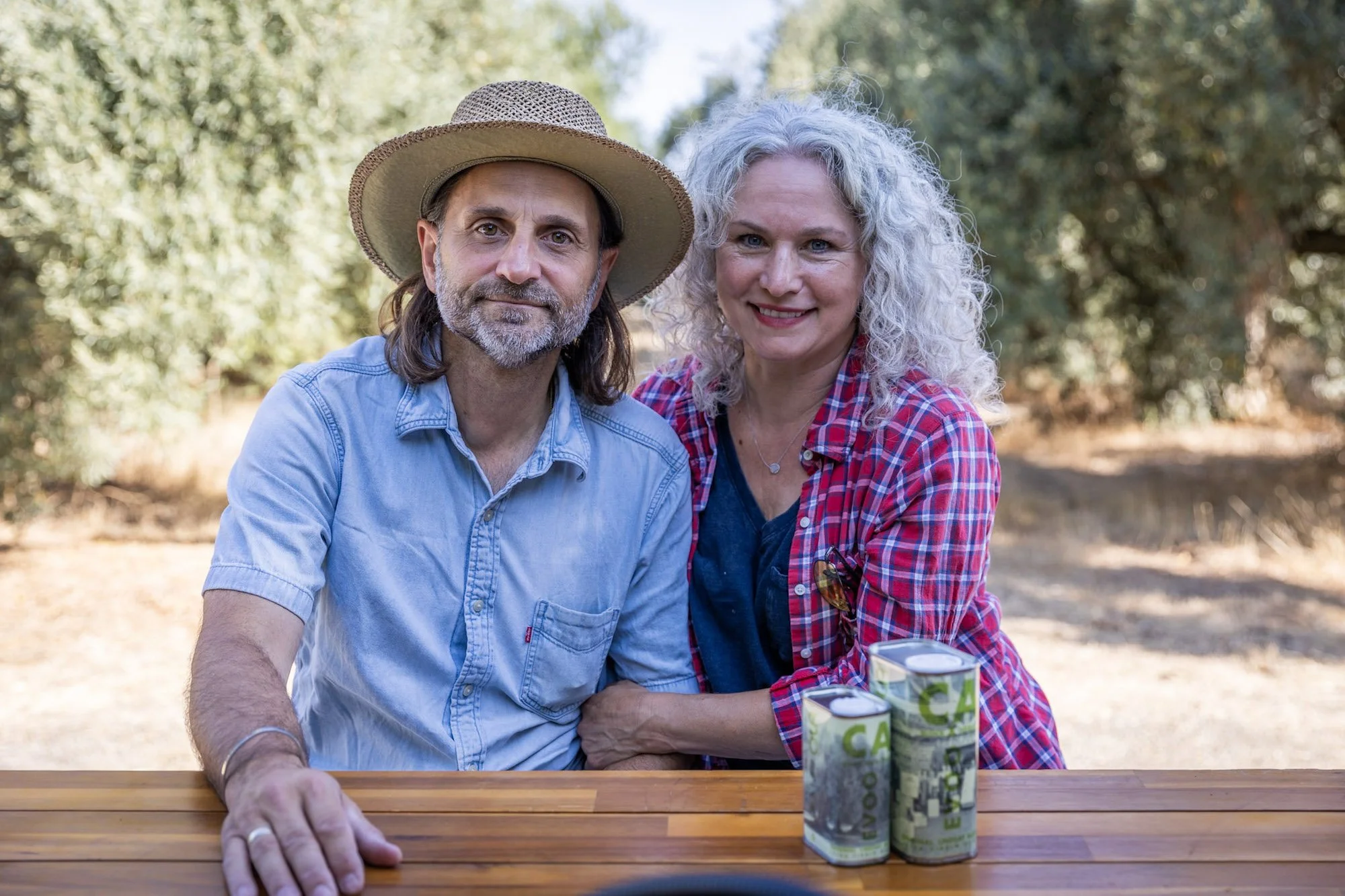
Co-founders Giulio Zavolta and Rachelle Bross with some of their bottlings. Photo credit Olivaia
Giulio Zavolta and Rachelle Bross never planned to start an olive oil company. But their award-winning artisanal brand Olivaia’s OLA might never have happened had they not gotten to know Albert Vera.
An Unlikely Beginning
Zavolta and Bross, a young couple who had met as teenagers, moved to Los Angeles so Zavolta could pursue a degree in architecture, planning to return afterward to their native Montreal. Bross had already completed her doctorate in nutrition sciences and was passionate about healthy food. Still, Zavolta recalls, “It wasn’t on our radar to get involved with olives at all.”
That changed after they befriended Albert Vera, an Italian immigrant and the owner of Sorrento Italian Market in nearby Culver City. Shortly after moving to California, Zavolta discovered the specialty Italian market, and when he craved certain staples he loved, that’s where he went. In addition to running Sorrento, Vera also served multiple stints as mayor and councilmember of Culver City.
Vera “took us on like family,” Zavolta says, recalling that no matter how much they put in their shopping cart, he always charged them the same amount: $25.
Discovering a Common Ground: Olive Growing
The three soon found a shared topic of conversation: growing olives and producing olive oil. For Zavolta, growing and milling olives were part of his family history, as his grandparents and great-grandparents had also grown olives in Italy. But when his father emigrated to Canada, he set the family down a different path, and none of the family’s agricultural knowledge was passed down.
One day, Zavolta brought Vera a bottle of his family’s olive oil. That opened the door to repeated invitations to visit Vera’s ranch.
When Zavolta and Bross finally joined Vera on his olive ranch in the San Joaquin Valley, they discovered Vera was also the owner of a farm with a large-scale table olive operation. Lindsay, the town in Tulare County where the ranch was located, had in fact been a center for growing olives — though most often, they were the supermarket variety that would end up small, black and pitted, and sold in cans that bore the same name.
After that visit to the ranch, whenever Zavolta or Bross would stop in, he would ask them if they thought about getting involved.
But the timing was never right: Zavolta was just beginning his career, and the couple had started a family. “One day we’d love to help, but now is not the time,” Bross recalls telling him.
Vera and his wife were persistent — Ursula Vera even offered to give them some of the family’s land. Still, the answer was always “not now.”
Becoming Olive Farmers
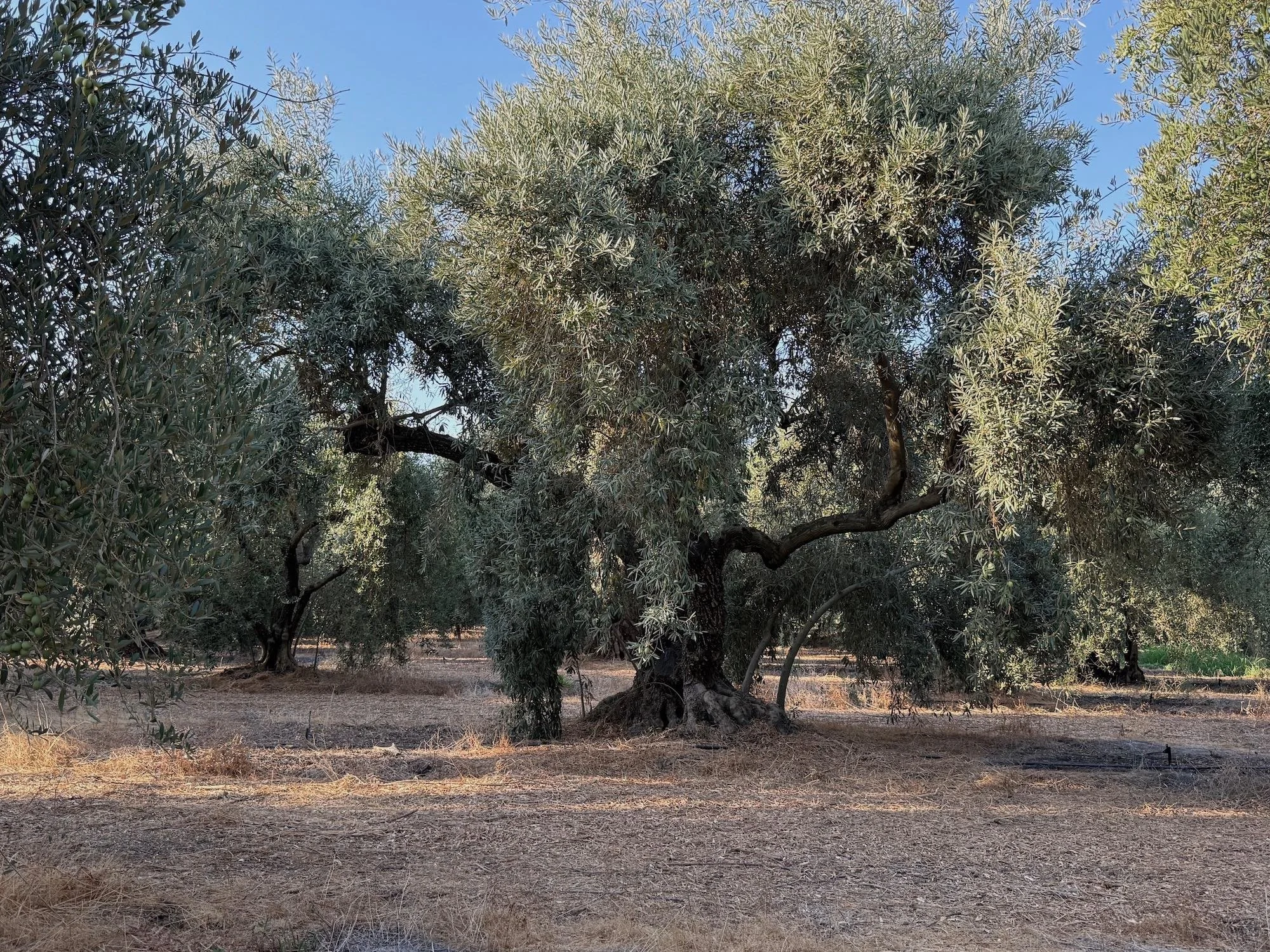
An olive tree on the Olivaia property. Photo credit Olivaia
In 2010, Albert and Ursula Vera died within nine months of each other.
The two couples had grown very close. “We felt like we lost family,” Zavolta says.
He and Bross soon returned to the store, resolving to do something in the couple’s memory. They found one of Vera’s sons behind the counter. When they told him his father had planted a seed in their head about olives, Vera offered to introduce them to his father’s broker.
The couple had hoped to dip their toes in by buying a small parcel of land, maybe five acres; they later learned parcels that small are rarely available in farm country. When a 20-acre parcel came up for sale, they jumped on it. Only later did they realize that their parcel bordered one of Vera’s properties.
Olive groves are remarkably resilient, and the land was full of olive trees — half about 80 years old and the other half about 125. Because citrus, grapes, almonds and pistachios are more lucrative than olives, many farmers would have cut the olive trees down and planted more profitable crops. But this wasn’t a typical farming business.
Still, the groves hadn’t been tended to in decades, and many of the trees were partially dead. Looking back, had the pair realized what a massive undertaking it would be to rehabilitate the trees, they probably wouldn’t have taken it on, Bross admits: “That was part of Giulio’s confidence; he didn’t realize the trees needed as much rehab as they did.”
Rehabilitating Ancient Olive Trees
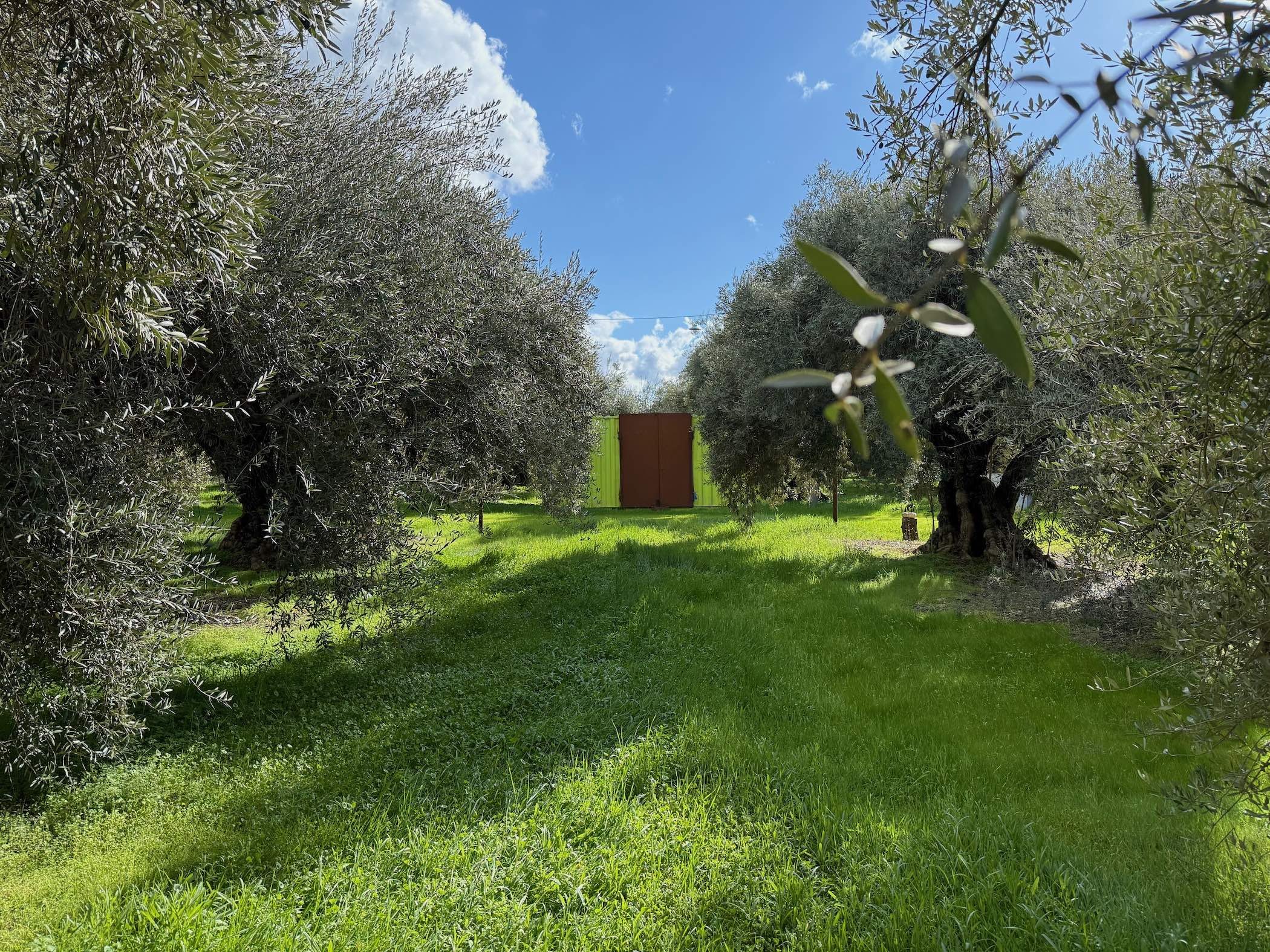
The olive groves today. Photo credit Olivaia
Over the years, with love and proper pruning, the couple brought the trees back to life.
They each have jobs based in Los Angeles, and the ranch is more than two hours from their home in the San Fernando Valley, so tending the groves only happens in the family’s spare time.
“Our love for the olive is what made us do this, maybe foolishly,” Zavolta says. He gradually became a student of how to nurture them, researching, taking classes, and learning from the farmers nearby. They planted 300 new trees, too.
Seeing the trees come back to life was so affirming that making oil wasn’t even a thought in the early years. Instead, they sold their two known varieties to the table olive industry. But as they harvested, Zavolta and Bross noticed something interesting: Among the Manzanilla and Sevillano olives they recognized, there were other cultivars that looked completely different.
“As we went from tree to tree,” Bross says, “we realized we had these interesting and diverse varieties.”
By having them tested by the University of California, Davis, and another university in Spain, they learned they had eight unique varieties, though their types were genetically unfamiliar.
Producing Award-Winning Oil
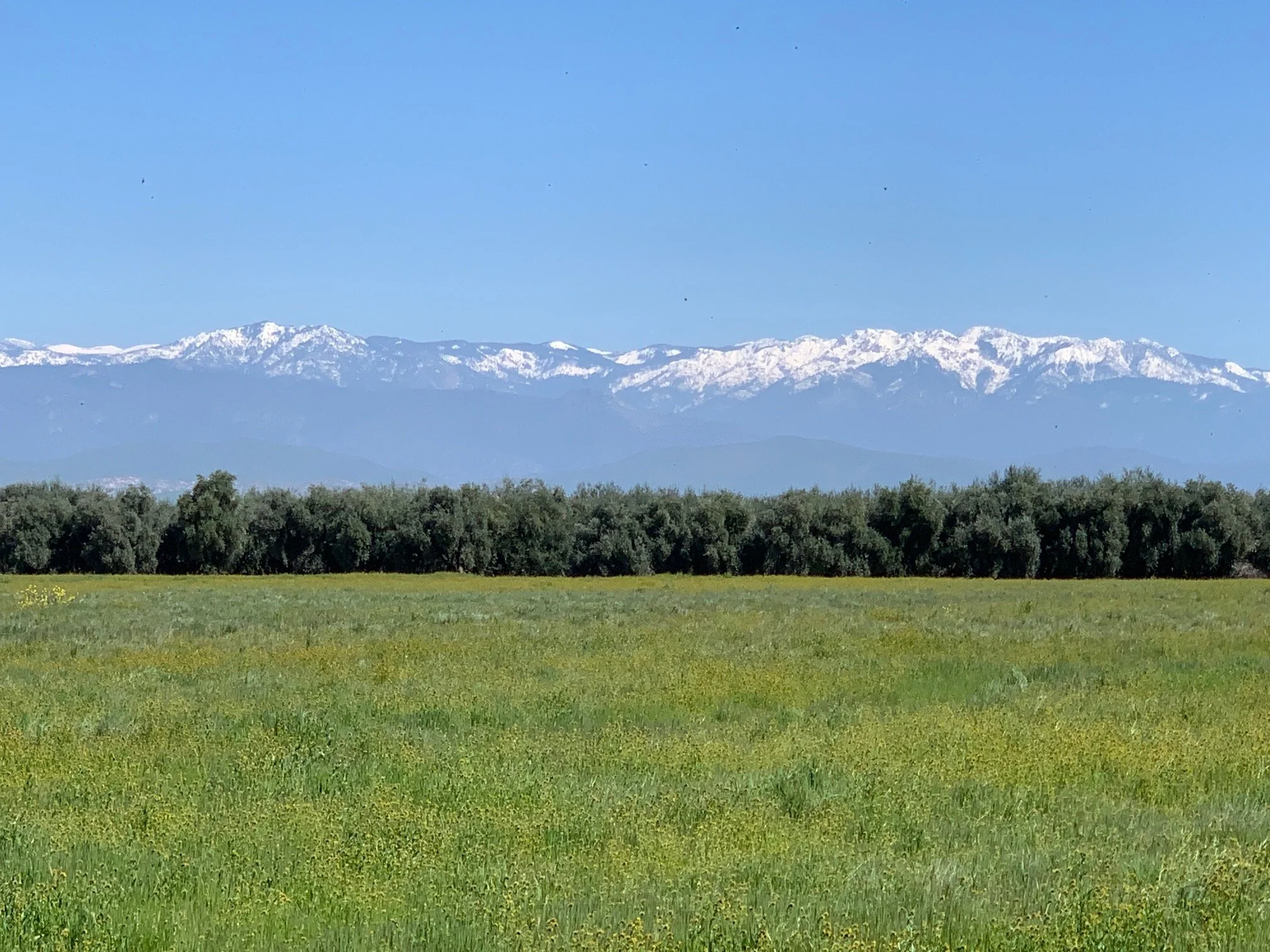
The stunning backdrop of Sierra Nevada mountains. Photo credit Olivaia
Because so many of their olive types were unidentified, Zavolta and Bross couldn’t sell them, so they decided to make oil — at first only for themselves. As soon as they tasted it, however, they knew they had something too good not to share. They submitted the oil to a competition and won Gold at the California State Fair in their first year and a Best of Show at the Fresno Fair. In the years since, many more awards have followed.
For a couple who never set out to work in the olive oil business, it’s becoming a larger part of their life’s work. By tending these trees and producing such a healthy product, they are living closer to the earth, modeling to others how farm-to-table works as opposed to industrial farming. They have provided olives to Jewish educators whose students crush them with their hands, as a tactile lesson about the Jewish festival of Chanukah, whose origin story features olive oil; growing olives has brought them both closer to his Italian and her Jewish roots. The recognition their brand has received has brought renewed awareness about the city of Lindsay and its historic role in the state’s olive industry.
Now they are launching another brand of oil in partnership with Albert Vera Jr., in memory of his father — since without his urging, none of this would have happened.
Yes, it has taken years of hard, physical labor to bring the trees back to life. But the result, Zavolta declares, “has made everything worthwhile.”
“We feel tremendously blessed,” he adds, “that we walked down this path.”