
How to Make Olive Oil Mayonnaise
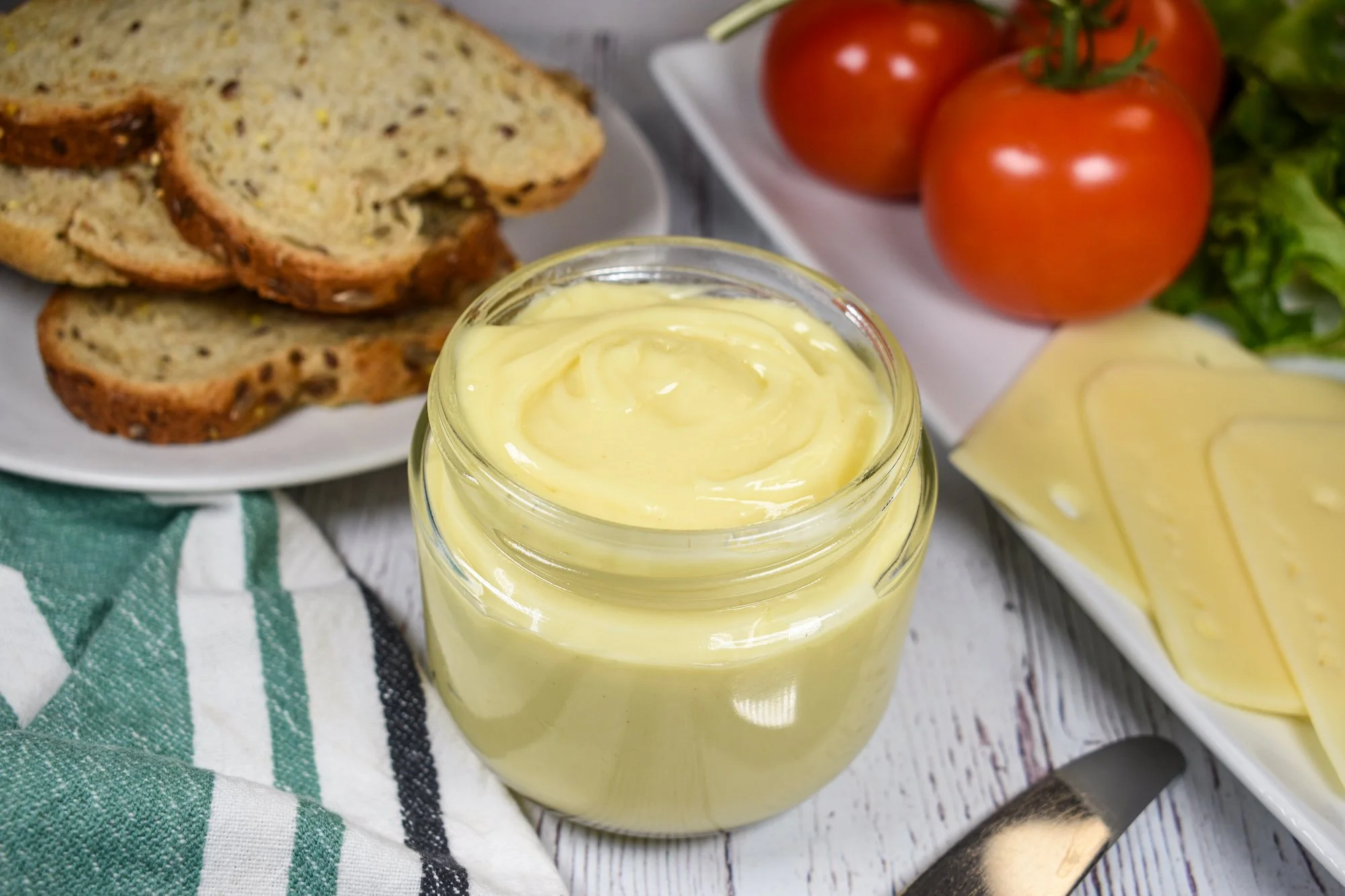
Olive oil mayonnaise photo credit Rebecca Frey
Of all of the "love it or hate it" foods, mayonnaise almost certainly ranks near the top of the list. Like anchovies, cilantro, olives, and blue cheese, people usually fall into one of two camps: the "put mayo on everything" group, and those who avoid it at all costs. I happen to love mayonnaise, especially paired with corn and tuna and spooned over a baked potato, an unusual combo I learned to appreciate while living in the UK.
This homemade mayonnaise tastes great with tuna, but it's just as good for spreading on sandwiches; making deviled eggs or egg salad; or stirring into dressings, dips, and sauces. Store-bought mayo works in a pinch, but with a couple of kitchen staples and a hefty dose of arm-power, you can whisk up a bowl of fresh, creamy homemade mayonnaise in minutes.
What is the Best Oil to Use for Olive Oil Mayonnaise?
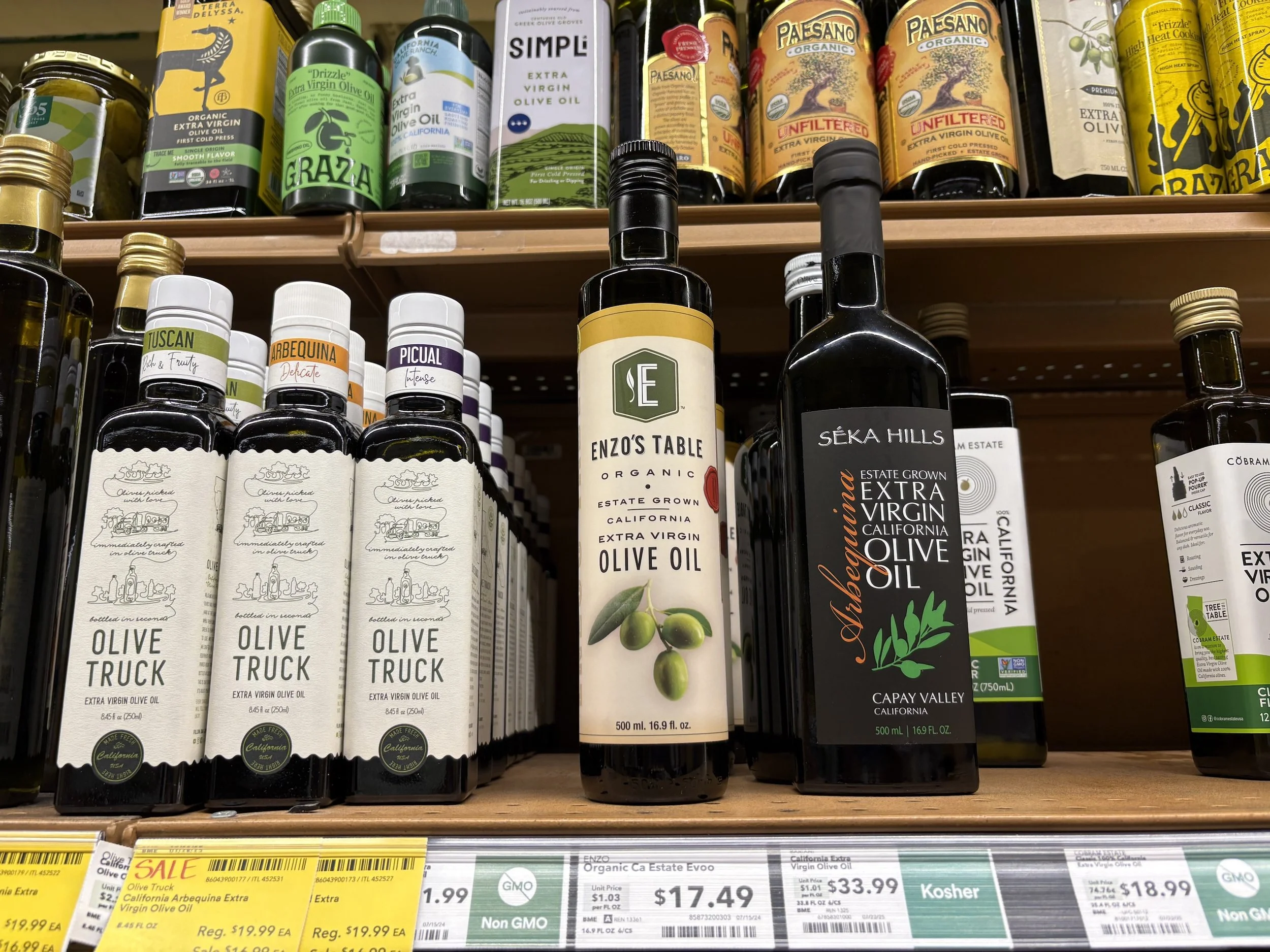
The peppery, grassy, or vegetal notes of extra virgin olive oil can enhance vinaigrettes and mashed potatoes, but these stronger flavors will quickly overpower homemade mayonnaise. Extra virgin olive oil also contains polyphenols (natural micronutrients with strong antioxidant and anti-inflammatory properties) which, despite their health benefits, can lead to bitter-tasting mayonnaise and cause homemade mayo to separate by breaking down the oil droplets too rapidly. (Using a hand whisk rather than a powerful blender can reduce bitterness and risk of separation, but will not eliminate either.) For these reasons, homemade mayonnaise recipes typically call for vegetable, canola, or sunflower oil, while commercially produced mayonnaise often uses soybean oil as the base.
To make homemade mayonnaise with olive oil, opt for a mild-tasting light olive oil rather than extra virgin. Lighter in color and similar in consistency to vegetable oil, light olive oil (olive oil which has been refined to remove unwanted flavors and aromas) yields a pleasant, neutral-flavored, and visually appealing homemade mayonnaise. If you want to use extra virgin olive oil, the less whisking and agitation the better, or it can turn bitter very quickly. Making it by hand and replacing just a few tablespoons of extra virgin olive oil at a time to ensure success.
Creating the Emulsion
Oil and water famously do not mix, but lecithin, a protein found in egg yolks, acts as an emulsifier, coating the oil droplets and preventing them from separating from the liquid. As you whisk, the lecithin stabilizes and thickens the mayonnaise, creating a smooth, creamy texture.
For best results, use a large bowl with plenty of space for vigorous whisking, and dribble the olive oil into the yolk mixture very, very slowly. If you add the oil too fast the mixture will not emulsify and instead of mayonnaise, you'll make a soupy bowl of eggs and oil instead. If this does happen—as it did to me while testing this recipe!—simply whisk a fresh egg yolk and a teaspoon of lemon juice in a clean bowl, then repeat the whisking step, drizzling the broken olive oil mixture into the fresh yolk.
Why Whisk by Hand?
While the faster blades of an electric blender or food processor create a more stable emulsion (and a whiter, thicker mayo), hand-whisking produces mayonnaise with a silky-smooth consistency ideal for sauces and salads. Whisking by hand also allows you to continue tasting and whisking as you go, providing more control over the final flavor and texture. And the best part? Aside from some serious arm-power, you won't need any fancy equipment—just a big bowl and a standard wire whisk. If you are using extra virgin olive oil, using an electric blender or food processor may bring out bitter flavors.
Customizing Homemade Mayonnaise
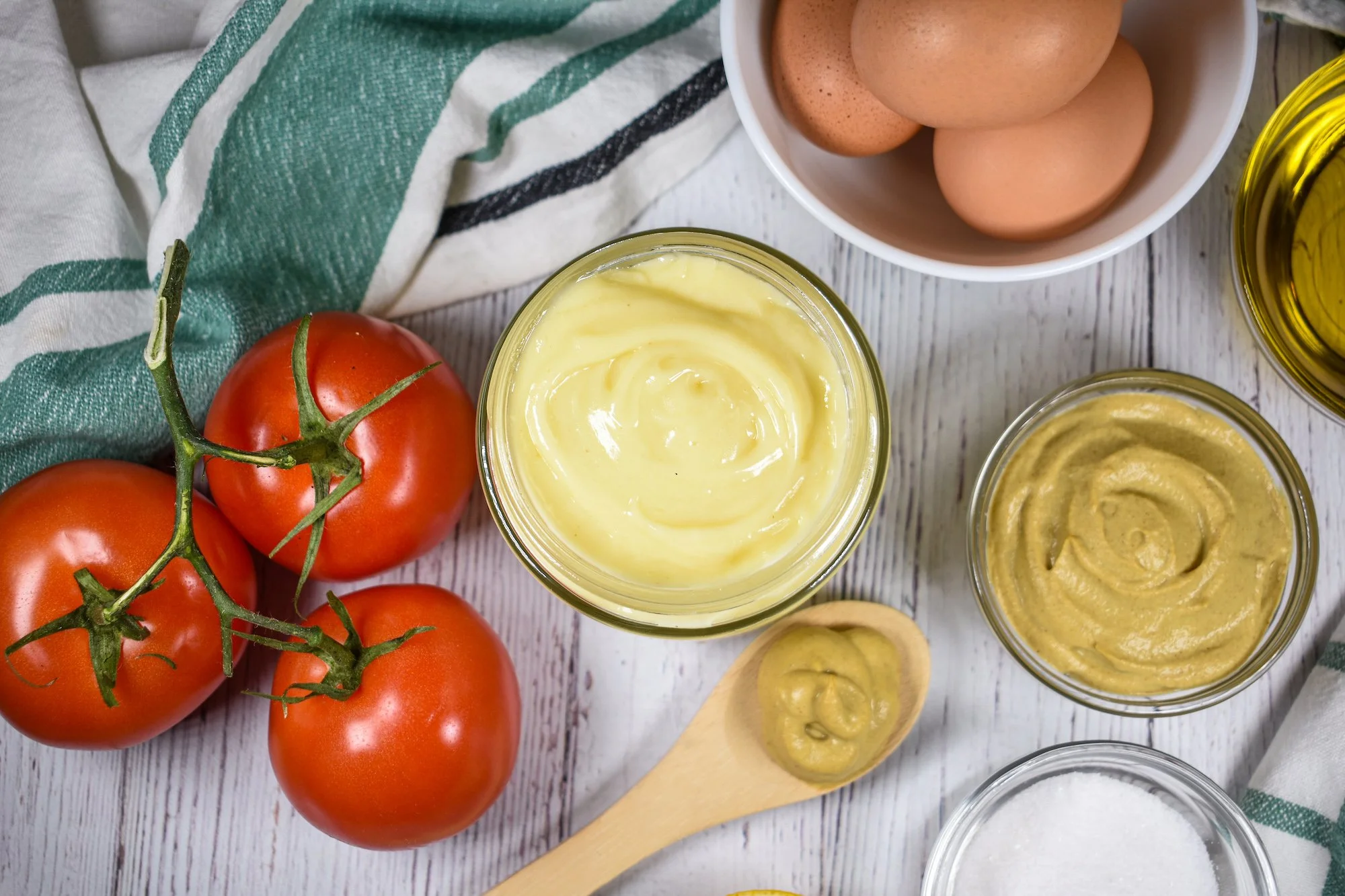
Olive oil mayonnaise photo credit Rebecca Frey
Homemade mayonnaise offers plenty of room for customization. Stir in chopped fresh herbs such as thyme, rosemary, tarragon, or chives; add smashed cloves of roasted garlic; season with additional mustard or lemon juice; or give your mayo a spicy kick with sriracha, chipotle chili powder, smoked paprika, wasabi, or seasoned salt. Wait until the mayonnaise turns thick and creamy before adding other ingredients.
Olive Oil Mayonnaise
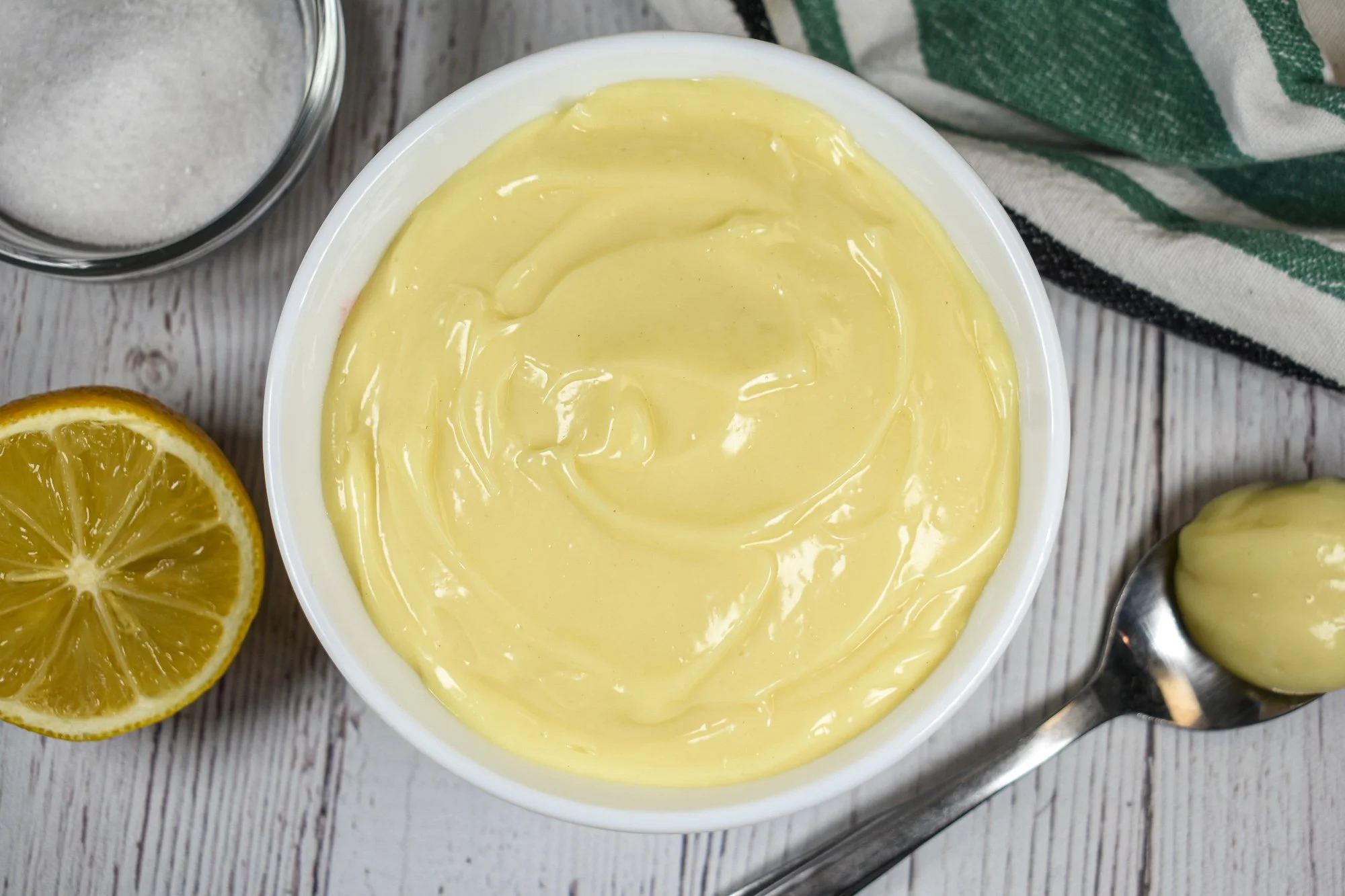
Olive oil mayonnaise in a bowl photo credit Rebecca Frey
Makes 8 ounces (about 1 cup)
Ingredients
1 large egg yolk
2 teaspoons lemon juice
1 teaspoon Dijon mustard
1/4 teaspoon kosher salt
1 cup light olive oil* (not extra virgin)
Directions
In a large metal mixing bowl, whisk together egg yolk, lemon juice, mustard, and salt.
Whisking continuously, add the olive oil a few drops at a time until the mixture begins to thicken. Slowly drizzle in the remaining olive oil in a very thin stream,
whisking vigorously until pale, thick, and creamy, about 2 to 3 minutes more.
Season with additional salt or lemon juice to taste.
Use as desired. Store leftover mayonnaise in an airtight container in the refrigerator for up to 1 week.
*If you wish to use extra virgin oil, you can use up to 50% extra virgin olive oil and 50% neutral oil such as light olive oil, canola or rice bran oil. We recommend
that you do not use a high-speed blender when using extra-virgin olive oil to reduce the likelihood of bitterness.