
How Chefs Use Olive Oil in Desserts Beyond Cake
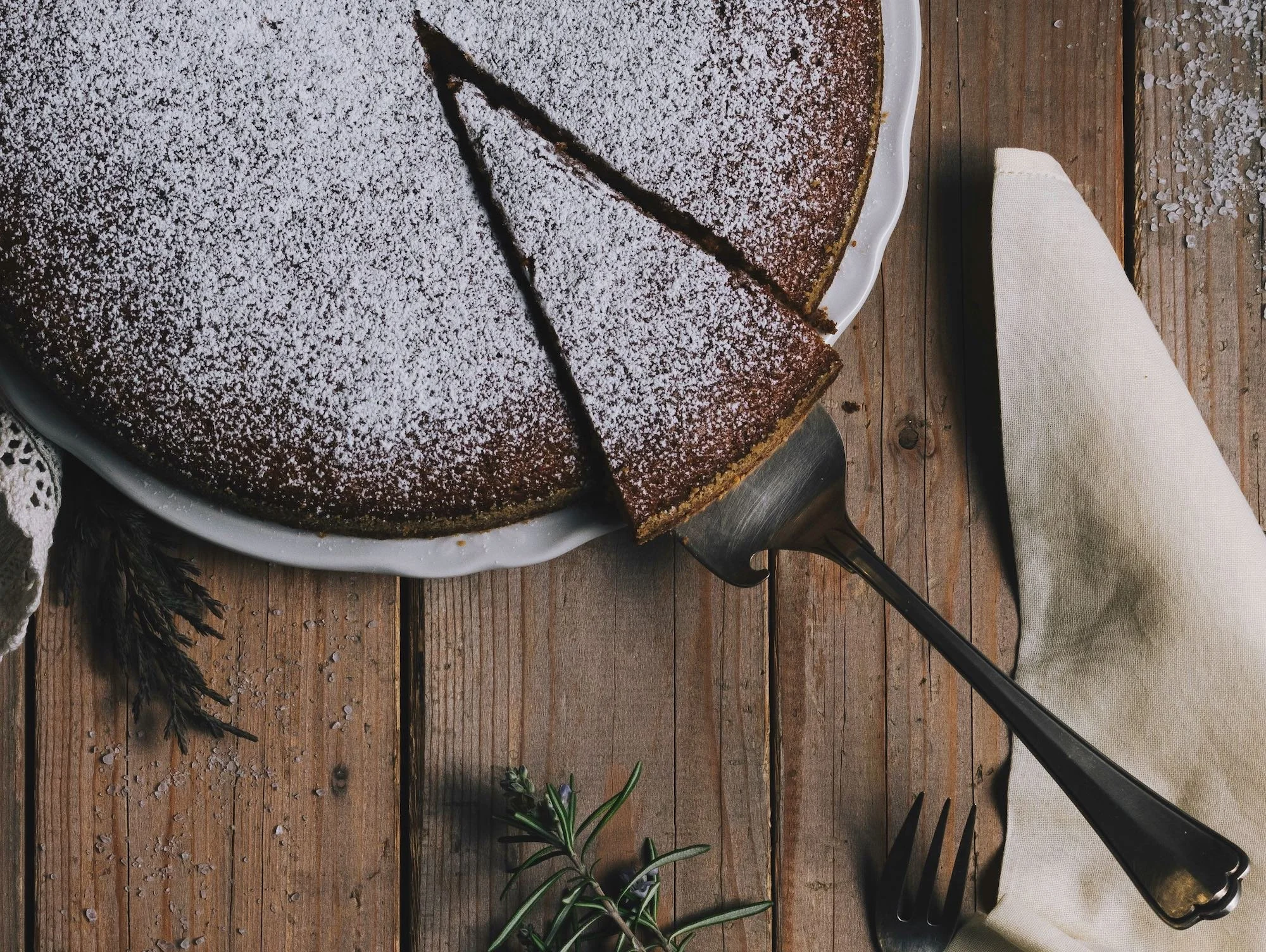
Olive oil cake is a thing of glory. Photo credit Enrico Bet
Whether flavored with citrus, chocolate, or anything else, olive oil cake is a thing of glory. Olive oil can replace butter or other fats in many cake recipes for complex aromatics, rich flavor, and a soft, plush texture.
“Olive oil is incredibly versatile in pastry because it simply behaves differently from more solid fats like butter,” says Chef George Duran, author of Take This Dish and Twist It and host of Food Network’s Ham on the Street and TLC’s Ultimate Cake Off. “It’s liquid at room temperature, and that means that it blends easily into batters and doughs and creates a very moist crumb.”
But olive oil’s dessert potential extends beyond cake. From gelato to cookies to panna cotta, pastry chefs are now putting it to good use across the dessert menu.
With a higher fat content than butter, “olive oil is amazing for waffles, brownies, and dense breads and cakes,” says Skyler Mapes, author of The Olive Oil Enthusiast and co-founder of EXAU Olive Oil. “It also pairs much better with chocolate than butter, in my opinion, especially when given the opportunity to settle. Brownies made with olive oil become almost fudge-like the day after baking.”
What once might have felt novel has now entered the mainstream, appearing regularly on restaurant menus and across food media. Here are some examples of how pastry chefs are using olive oil in their desserts beyond cake.
To Finish an Ice Cream Sundae
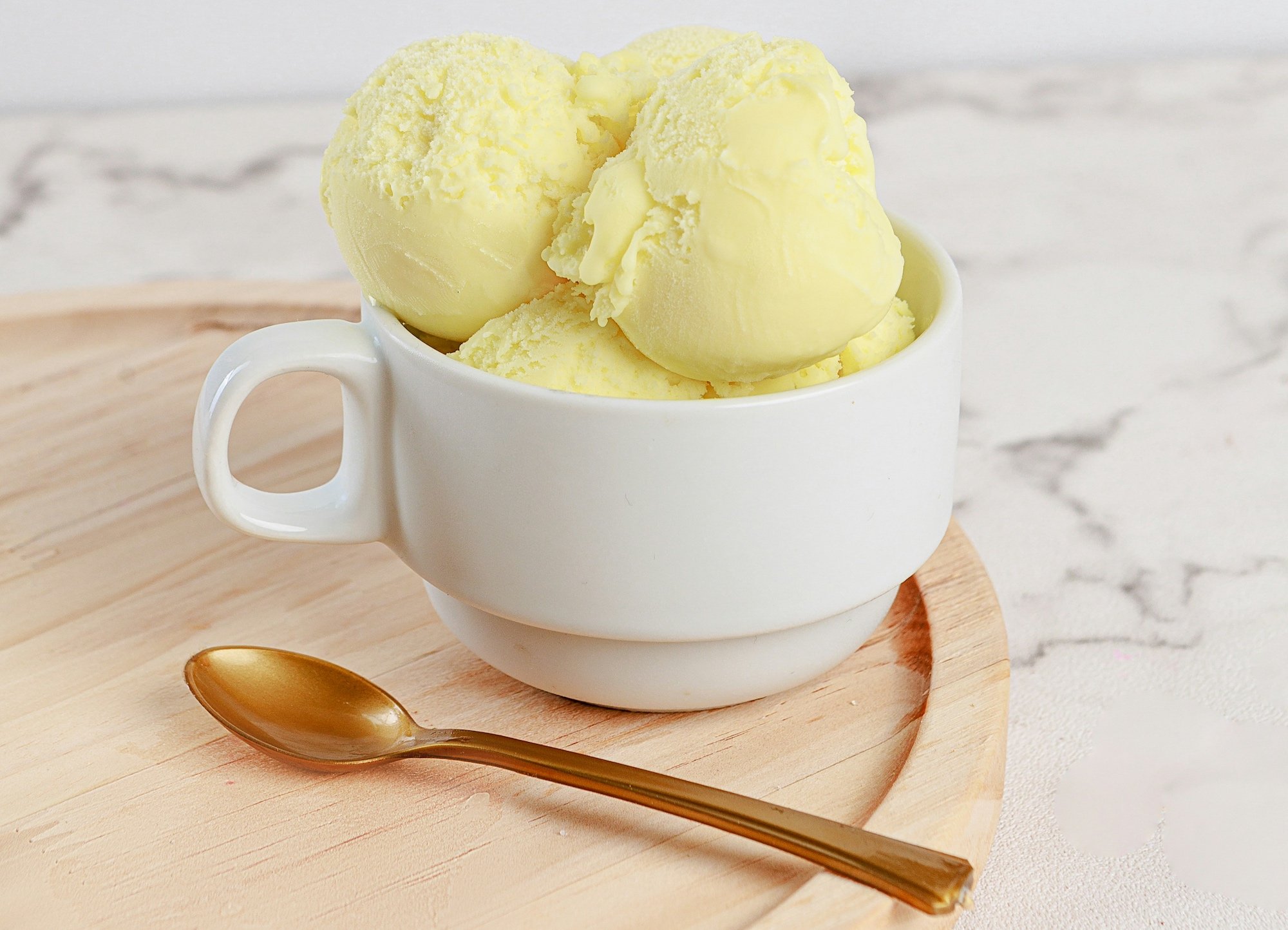
Olive oil is also a popular gelato flavor. Photo credit Carlos Lugo
At Il Posto Accanto in New York’s West Village, olive oil appears in the simplest form: as a finishing drizzle. Just as a flavorful, high-quality olive oil may be used to finish savory dishes, Sicilian olive oil is drizzled over a sundae of mascarpone gelato, sea salt, pomegranate seeds, and toasted Sicilian pistachios.
“I come from a family that used to produce olive oil in Puglia. There, olive oil was used for nearly everything,” says Beatrice Tosti Di Valminuta Pena, who owns the restaurant with her husband. “Butter was a bit frowned upon as a ‘French way’ to make things taste better. Extra virgin olive oil was used for everything from cookies to cakes to face cleansing to a remedy for burns.”
Olive oil pick: As a sauce, Tosti Di Valminuta encourages going as spicy and peppery as you like with an olive oil such as BellaTerra Nocellara of Mount Etna. “I use a 100% nocellara extra virgin olive oil,” she says. “I love the bold, grassy flavor of a southern EVOO.”
As an Ice Cream Flavor
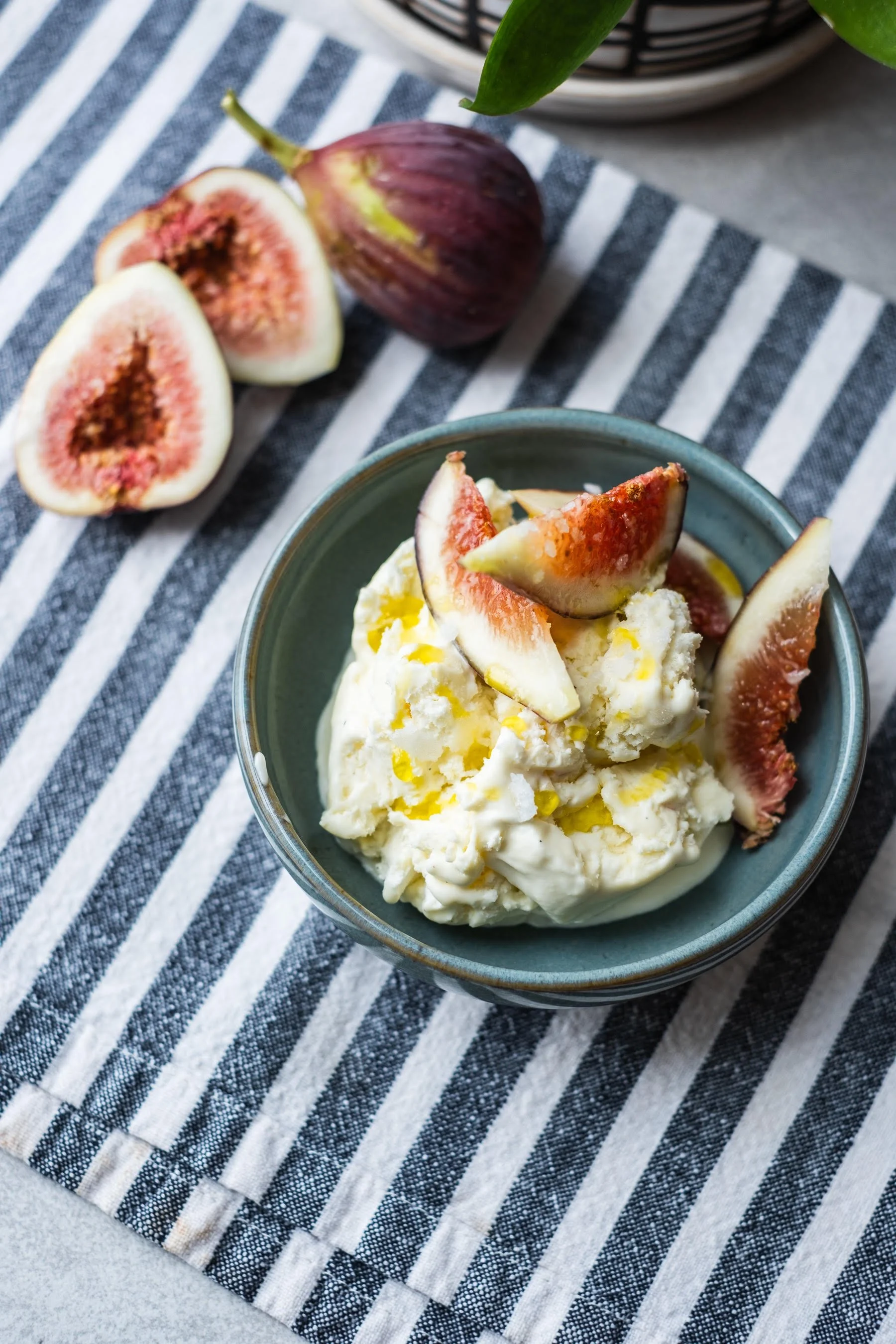
Cúrate Tapas Bar serves an olive oil ice cream. Photo credit Cúrate Tapas Bar
Olive oil can do more than top ice cream; it can be used in the ice cream itself. At Cúrate Bar de Tapas in Asheville, N.C., a No-Churn Olive Oil Ice Cream is included in a pan con chocolate y aceite dessert alongside a brioche tuile, chocolate ganache, yuzu custard, and a white chocolate crumble.
The olive oil ice cream adds both flavor and a distinctive mouthfeel. “Olive oil is fatty, so when frozen it creates this creamy, almost chewy texture,” says Chef Katie Button, Cúrate’s founder. “Couple that with the herbaceous grassy notes of fresh olive oil and it opens doors to mind-blowing desserts.”
Olive oil pick: Cúrate participates in an Adopt an Olive Tree program in Oliete, Spain, which invites participants to sponsor the restoration of abandoned olive groves while supporting rural employment and the preservation of traditional olive oil production. Olivar Cúrate Extra Virgin Olive Oil, made for the restaurant from the program, is cold-pressed from arbequina olives and offers balanced fruity, vegetal, and nutty flavors.
Baked Into Cookies
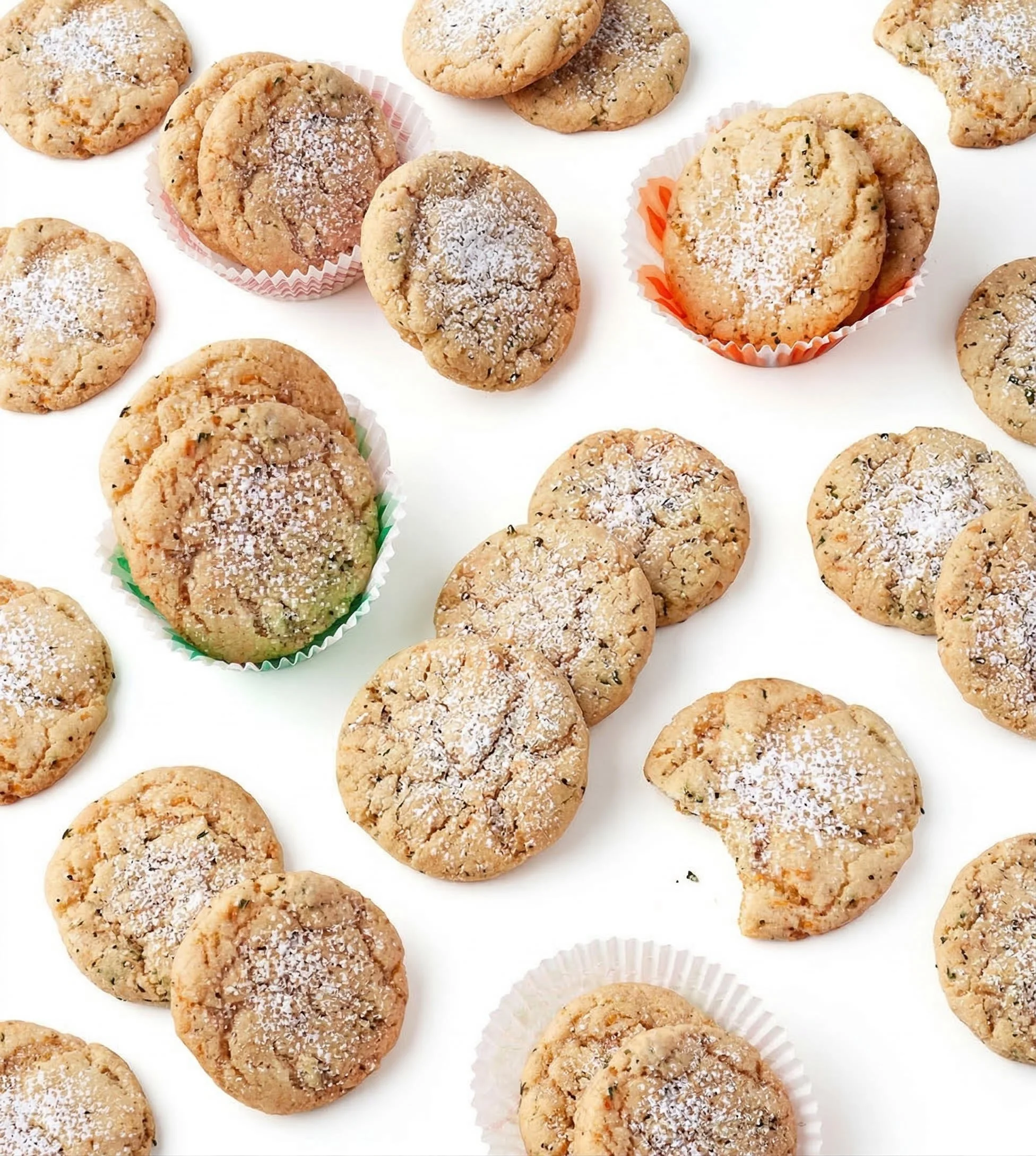
George Duran’s Lemon Thyme Olive Oil Cookies. Photo credit Blaine Moats and Scott Little
In Chef George Duran's Lemon Thyme Olive Oil Cookies, olive oil is meant to be a featured flavor, not just a substitute for butter.
“Instead of disappearing into the background like other fats, olive oil adds a subtle fruitiness that can actually become part of the flavor profile,” he says, especially when paired with other complementary, bright and aromatic flavors. “Citrus fruits like oranges and lemons are a natural partner, and herbs, too, work fantastically with olive oil.”
Olive oils can express an array of complex flavors, though most fall into either the buttery and fruity or spicy and peppery camps. For cookies like these, the former is preferred. “For these cookies I like a good extra virgin olive oil that’s fruity, but not too peppery,” says Duran. “You want something flavorful enough to matter, but you also want to balance the flavors so it doesn’t overpower the dish.”
Olive oil pick: “La Tourangelle is my go-to olive oil as it’s bright and well-balanced, with just enough fruitiness to complement ingredients like lemon and herbs,” Duran says. “More importantly, La Tourangelle uses tin cans instead of clear bottles to protect the oil from light and oxygen. Those are the two biggest enemies of fresh olive oil.”
To Enrich Panna Cotta
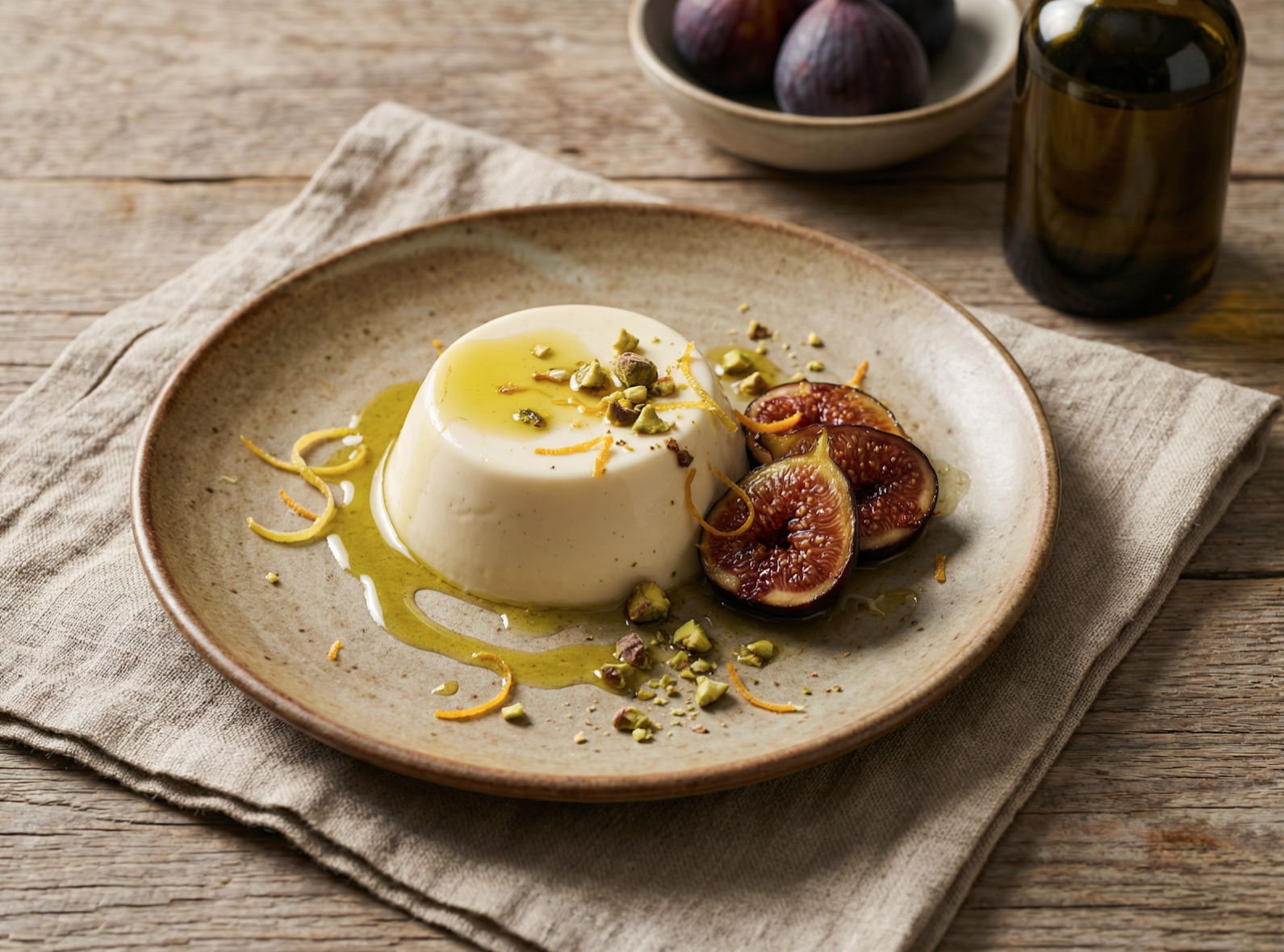
Olive oil panna cotta. Photo credit Rachel Miranda Photography
In addition to baked goods, olive oil can bring flavor and richness to chilled custards such as panna cotta. Chef Becky Geisel, owner of Bex Kitchen & Catering in Califon, N.J., serves an olive oil and citrus panna cotta with honey-roasted figs.
“Unlike baked goods, where the heat can mute the nuanced, grassy, and peppery notes of a high-quality olive oil, a chilled panna cotta preserves its complex profile,” Geisel says.
In her recipe, olive oil is emulsified with heavy cream and buttermilk and brightened with citrus zest. It also plays a second role in the roasted figs, creating a dessert that walks the line between lightly sweet and savory.
Olive oil pick: Entimio Ardente Organic Extra Virgin Olive Oil. “This one is fruity with a creamy, full flavor in the mouth, like butter,” says Geisel. “It is smoother in taste from its ultra-low-acid profile, and is safe for cooking up to 470°F, which is important.”
Stirred Into Chocolate Ganache
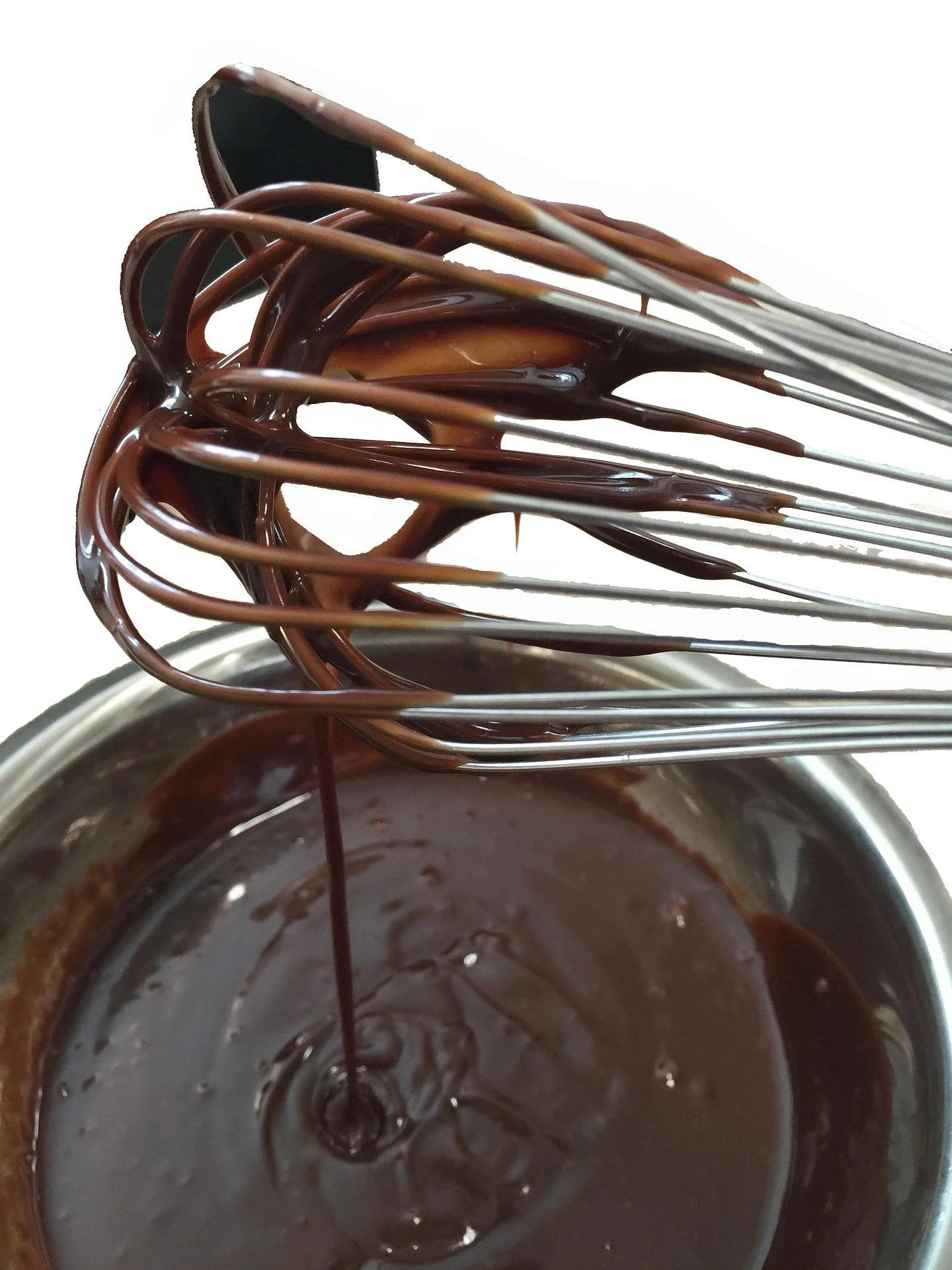
Olive oil can also be used to enrich a silky chocolate ganache. Photo credit Pixabay
Chocolate and olive oil belong together as naturally as chocolate and orange. The chocolate orange olive oil tart at Mila’s Front Porch, an allergy-friendly bakery in central Florida, combines all three in a silky dark chocolate ganache enriched with olive oil and brightened with fresh orange zest.
“Olive oil and chocolate create this incredibly smooth texture that butter can’t quite replicate,” says Pastry Chef and Owner Jamila “Chef Mila” Muhammad. Thanks to olive oil’s higher fat content and lack of water, the ganache develops a uniquely smooth consistency.
“When paired with citrus, the fruitiness of the oil amplifies both the orange and the cocoa,” she says, “so the flavors taste both deeper and brighter at the same time.”
Olive oil pick: “I like using an extra virgin olive oil that has a bright fruitiness with a gentle peppery finish, so it enhances the dessert without overpowering it,” says Muhammad. “Lately I’ve enjoyed working with Graza’s “Drizzle” olive oil, which has those fresh, fruity notes that pair beautifully with citrus.”