
6 Ways to Use Your Best Olive Oil
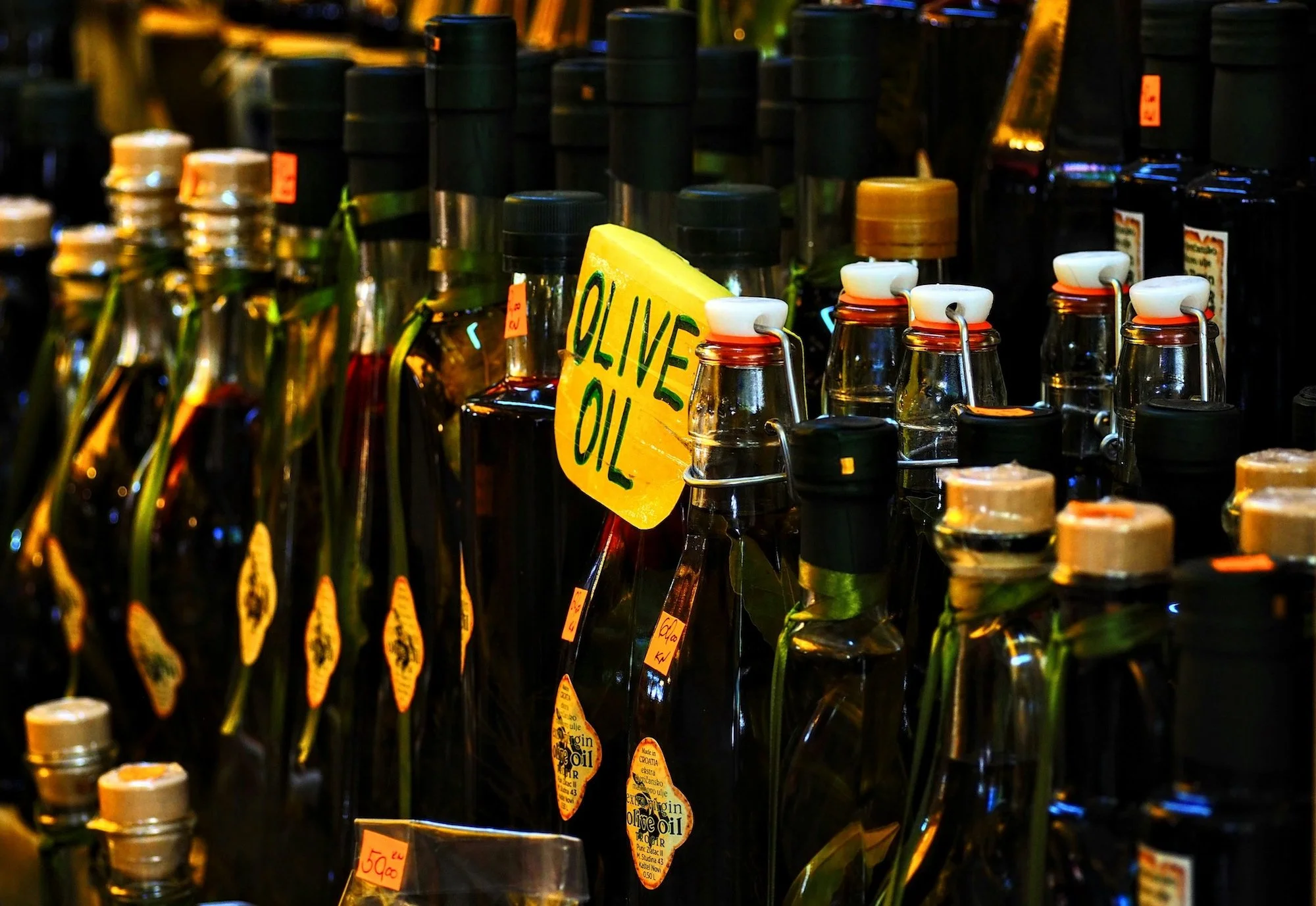
Quality extra-virgin olive oil is a living ingredient. Photo credit Benji da Vinci
Premium extra-virgin olive oil can be expensive, which is why many food lovers save their best bottles for special occasions.
But that instinct is backward, olive oil experts say. Extra-virgin olive oil is a highly perishable, fresh-pressed fruit juice that loses vibrancy over time, meaning the finest bottles are best enjoyed before time dulls their flavor.
With thousands of named olive varietals in existence, its flavors range from fruity and tropical to grassy, peppery, and bold.
The key is knowing where great olive oil makes the biggest impact.
To understand how to get the most out of it, we spoke with three experts: Chef Christian Caiazzo of Osteria Stellina and Stellina Pronto in Petaluma, Calif.; Chef Matthew Accarrino of SPQR and Mattina in San Francisco, Calif.; and Victoria, British Columbia-based olive oil expert and sommelier Emily Lycopolus. These are some of the dishes and applications they reach for most.
1. With an Exceptional Raw Ingredient
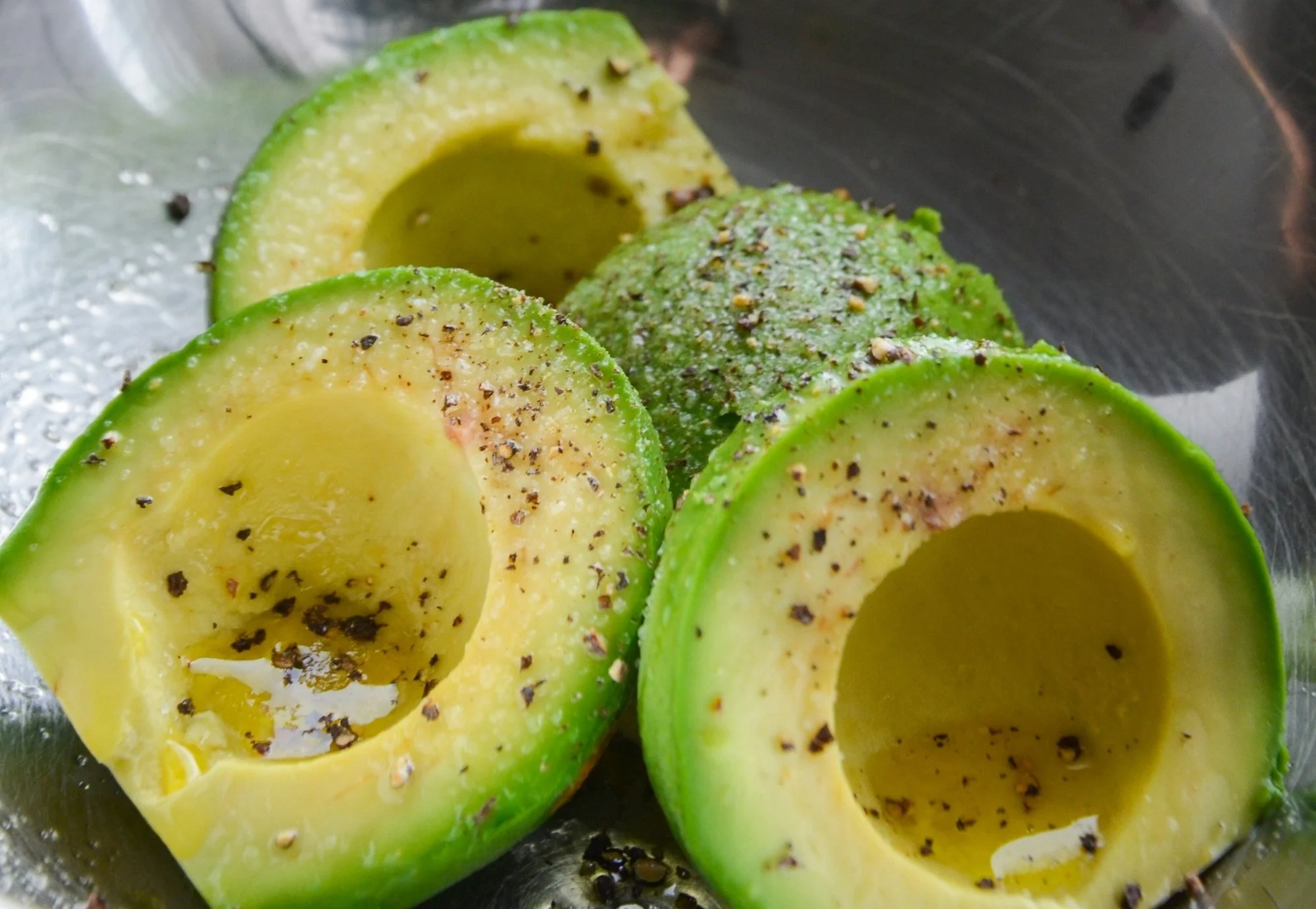
Spotlight excellent olive oil by serving it over fresh avocados. Photo credit Stepanenco Valeria
Some of the best uses for great olive oil are also the simplest, especially when the oil is uncooked and its grassy, peppery, buttery, or fruity notes stay fully intact.

Chef Matthew Accarrino
“If you want to feature the fresh flavors of the olive, keep it simple,” Accarrino says. “Fresh extra-virgin shines best over the absolute best ingredients: fresh avocados, fresh mild cheese, clean fior di latte ice cream.”
This stripped-back approach works especially well with exceptional ingredients, from fresh burrata, ricotta, or mozzarella di bufala to just-picked produce like heirloom tomatoes or melon.
2. Tossed Into a Simple Pasta
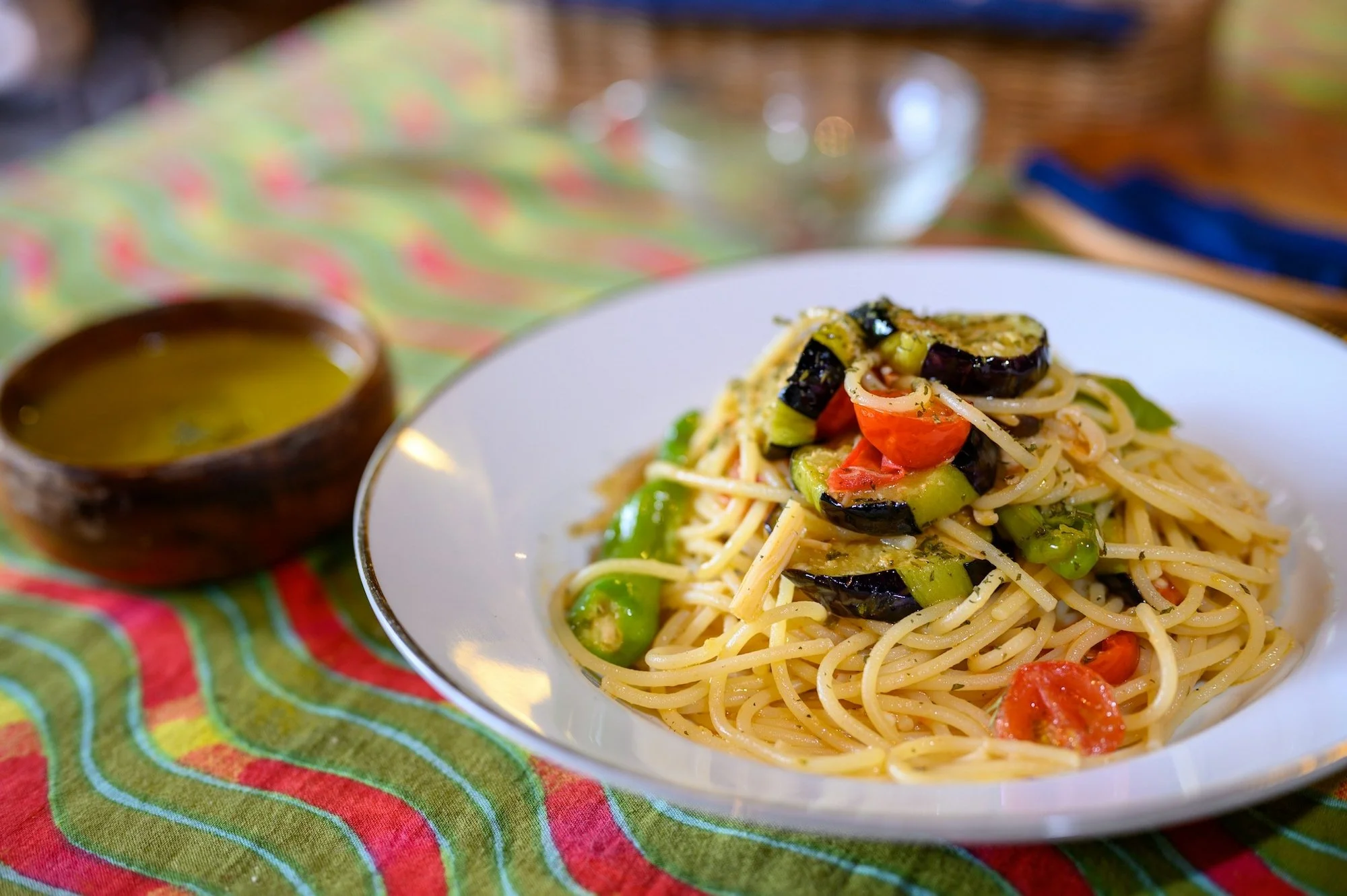
Simple pasta and vegetable dishes allow an ingredient like olive oil to shine. Photo credit Kouji Tsuru
But those preparations are just the beginning. Quality olive oil can also work astoundingly well in cooked dishes, too — although it’s crucial to choose the right types of olive oil for cooking. Accarrino and Caiazzo both love using their best olive oil with pasta, especially when the oil plays a central role.

Chef Christian Caiazzo
Caiazzo particularly likes quality olive oil in a pasta like aglio e olio, the classic Italian dish typically made with dried spaghetti, garlic, olive oil, pasta water, and often dried red pepper flakes. There, the oil is essential not only for flavor, but also for the silky emulsion that coats the noodles. Fresh olive oil makes a noticeable difference in dishes with few ingredients.
3. On Bread or in Bruschetta

Bruschetta is one of the best ways to use premium olive oil. Photo credit Mitili Mitili
“Nothing beats a fresh-pressed extra-virgin oil,” Accarrino says. “It has the most flavor.”
His Italian family presses fresh oil each season, and he describes drizzling it over bread as something genuinely special. He also looks to producers like Olio Verde and Capezzana from Italy, as well as small Sonoma producers found at farmers markets, as reliable examples of oils with real, inherent character.
Caiazzo also loves olive oil with bread, whether it’s “great, fresh, crusty bread” dipped in oil with sea salt or bruschetta finished with fresh extra-virgin over grilled, garlic-rubbed bread. “A perfect marriage,” he says.
4. Over Grilled Meats and Vegetables
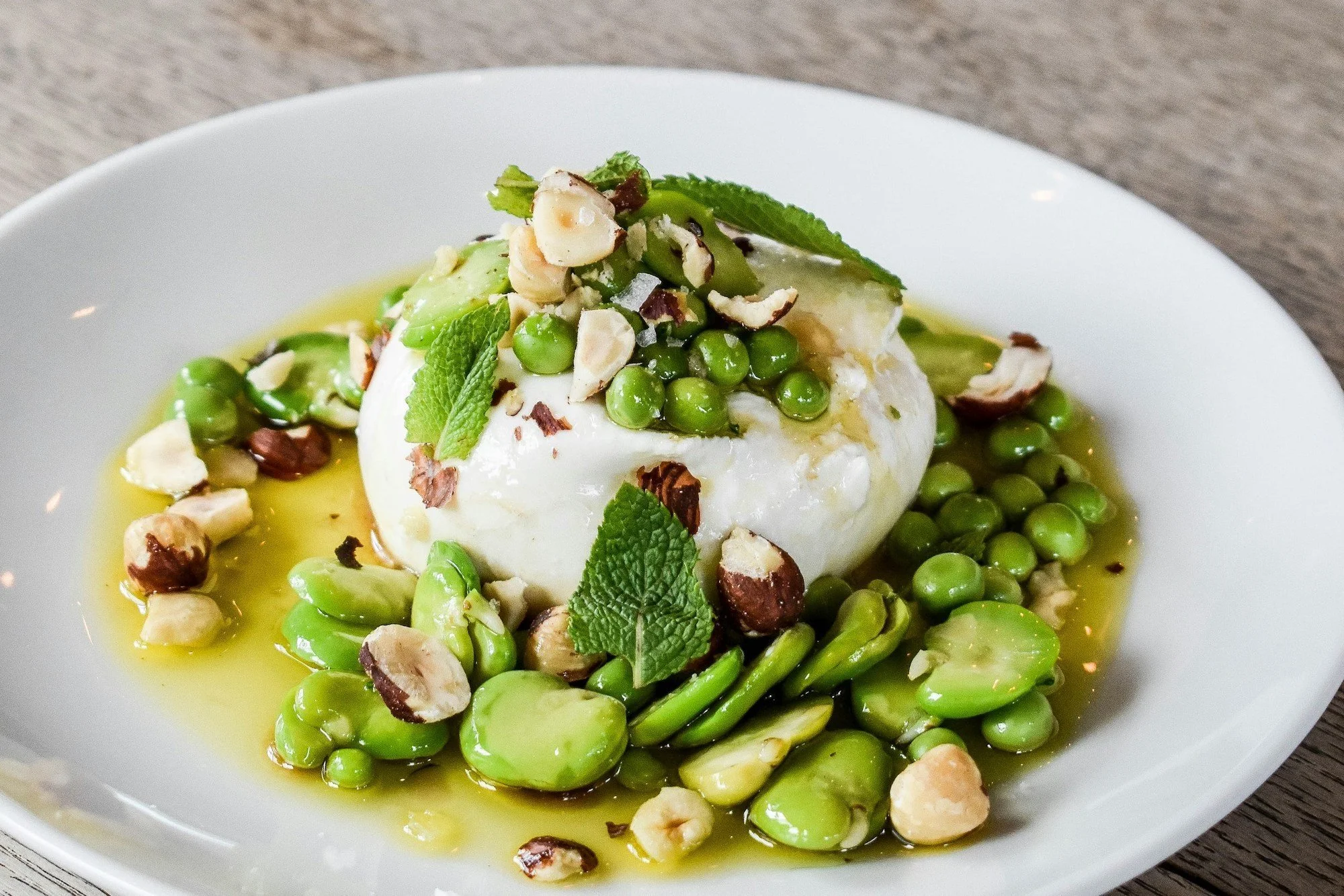
Premium olive oil shines when drizzled over grilled meats and vegetables.
Some of the best uses for olive oil happen after cooking, when the oil’s flavor remains fully intact.
Caiazzo is particularly passionate about finishing grilled meats with a generous pour, drizzling quality olive oil over a bistecca or pork chop fresh off the grill so the oil becomes part of the finished dish rather than just a cooking medium.
Accarrino similarly likes using olive oil on marinated or roasted vegetables, where a flavorful oil adds richness.

Olive oil expert Emily Lycopolus
Lycopolus notes that cooking vegetables with olive oil may also help draw out more nutrients, while the oil’s antioxidants are best absorbed alongside food. At home, she uses olive oil constantly, from roasted vegetables to grilled chicken. She adds that it’s “a beautiful symbiotic relationship where you get more nutrient value out of the vegetables and all of the antioxidants out of the olive oil.”
5. Over Ice Cream or Gelato
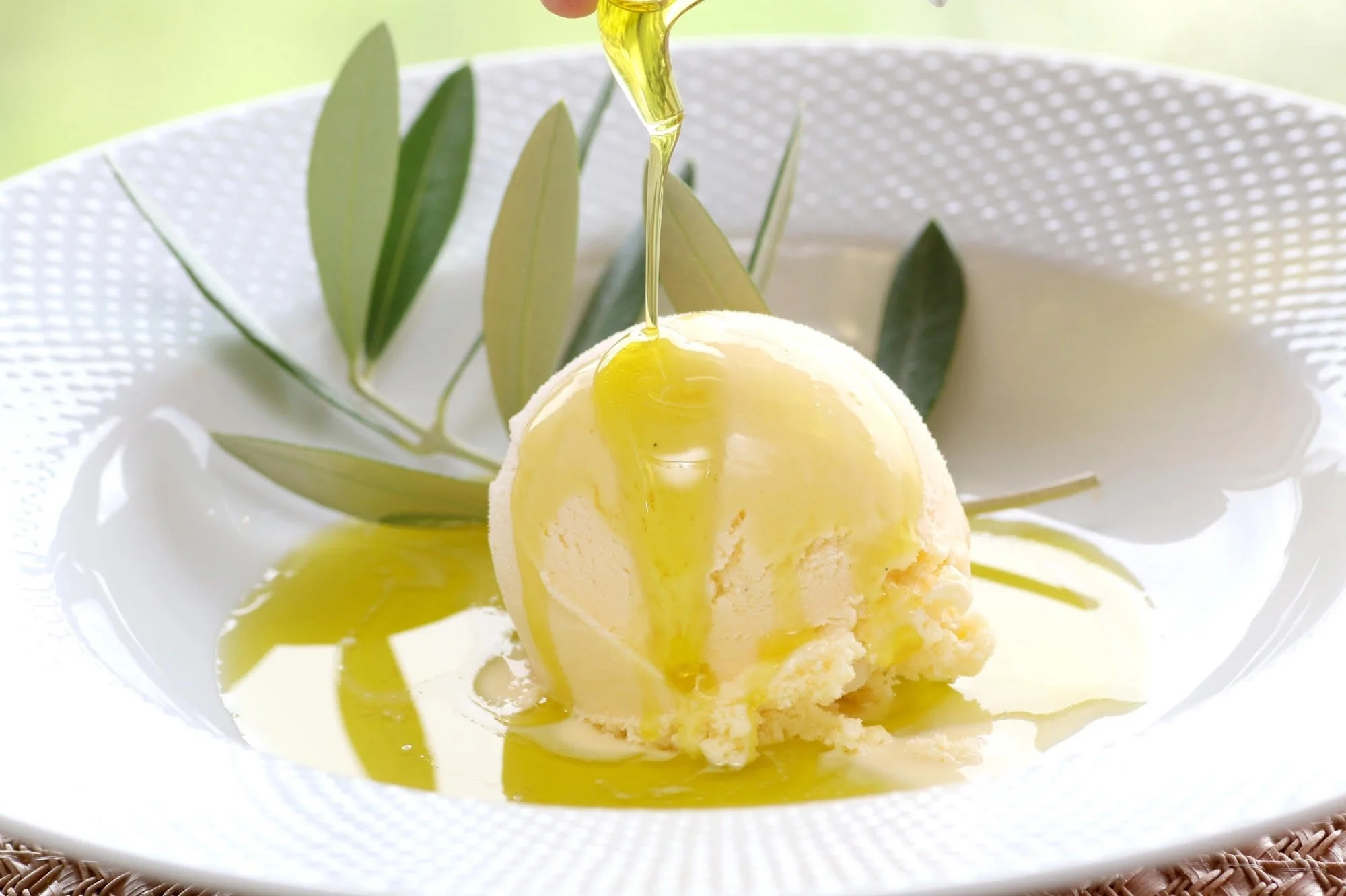
Olive oil drizzled on ice cream
Accarrino’s favorite sweet application is strikingly simple: drizzling a robust, full-flavored olive oil over a frozen dessert. “The sweetest way to enjoy a really full-flavored olive oil,” he says, “is over gelato or ice cream.”
A grassy, slightly bitter oil can cut through sweetness much the same way flaky salt or espresso can, creating a more balanced dessert.
6. In Baked Desserts
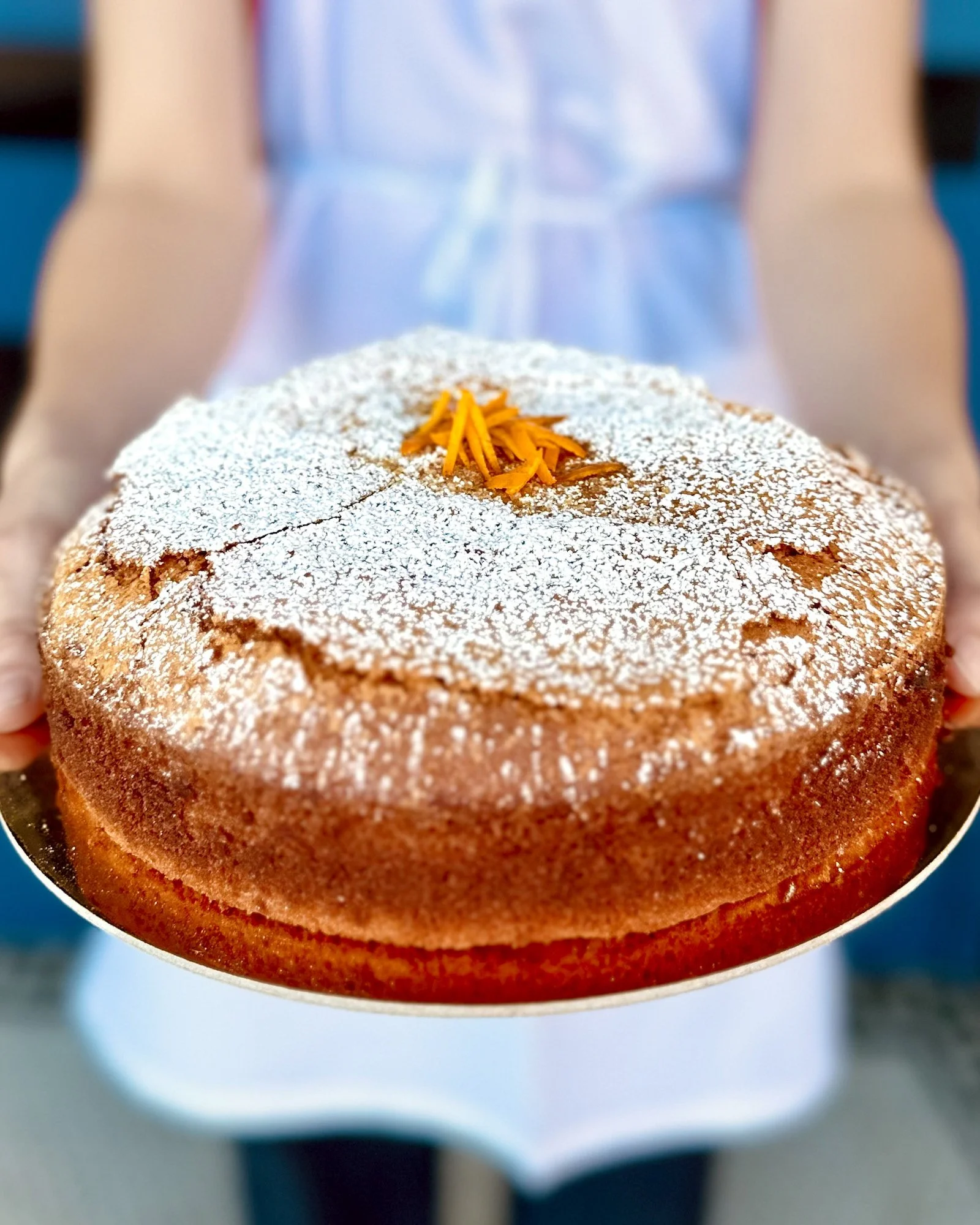
Christian Caiazzo’s olive oil cake. Photo credit Stellina
Olive oil also works beautifully in cakes, cookies, and citrusy desserts, where its bitterness and fruitiness add a complexity that butter often cannot.
At Stellina Pronto in Petaluma, Caiazzo makes an olive oil cake with orange and Grand Marnier, where the oil balances sweetness and citrus in a way butter cannot.
There’s a chemical reason why olive oil works so well in desserts, Lycopolus explains: Acid and bitterness can soften one another on the palate, so when olive oil meets ingredients like lemon, “you get this really incredible fruity flavor that is magical when you use it in sweet foods,” she says. She bakes a cookie recipe where a spicy, bitter oil combined with lemon juice becomes so unexpectedly fruity that “no one can actually guess what the flavor is in them, and the answer is olive oil.”