
Why Olive Oil Producers Are Going Organic
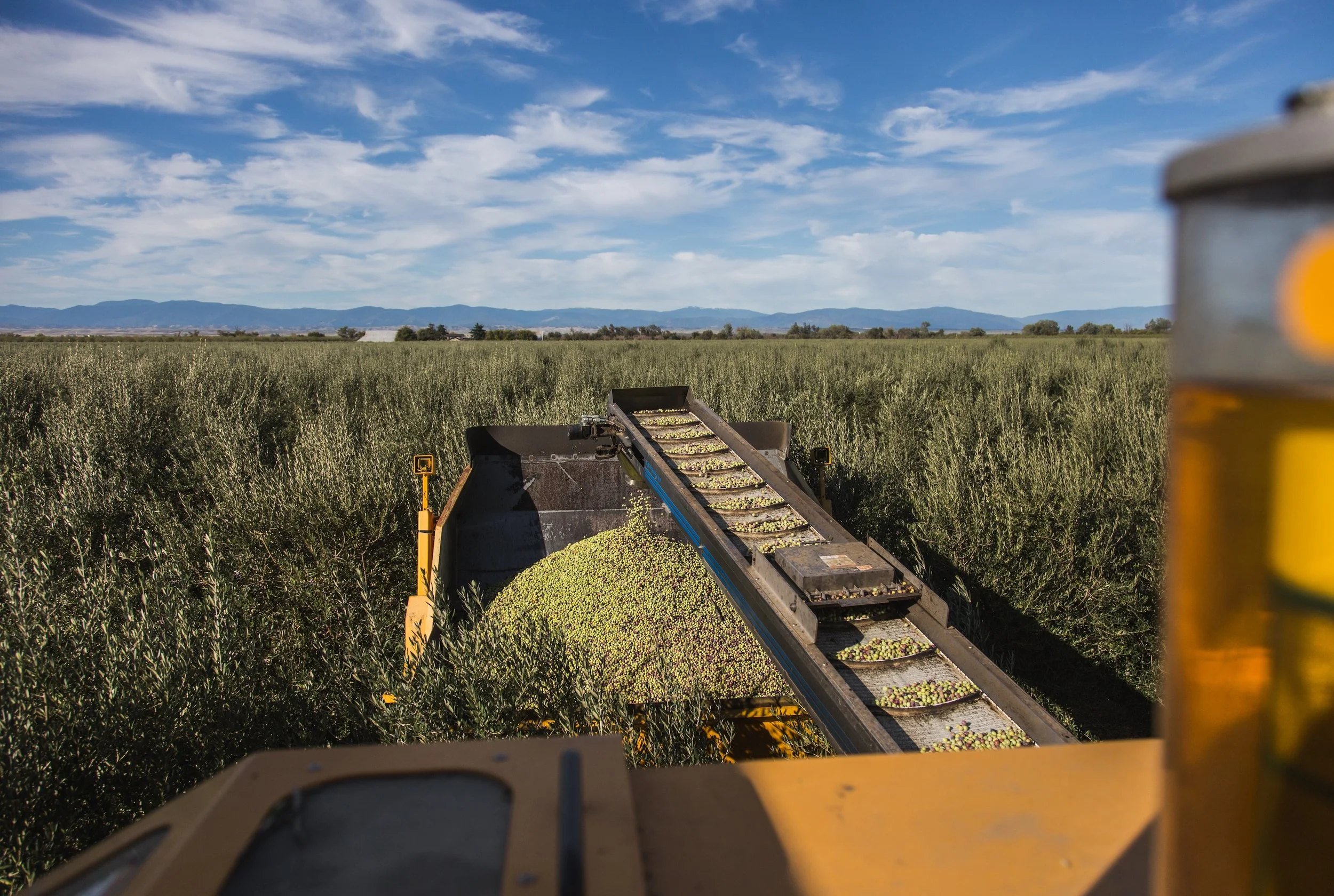
California Olive Ranch harvest
The interest in all things organic is growing by leaps and bounds, despite the steeper price tags that often accompany organic products, and the inflationary pressures many consumers report feeling.
Sales of organic products grew last year by 5.2%, the Organic Trade Association reports, attributing the acceleration to rising consumer interest in healthier and more natural products. Organic olive oil sales increased 7.2% by volume according to the most recent numbers from the North American Olive Oil Association, compared with declining sales of -2% of extra virgin olive oil generally during that same time period.
And while an interest in health is driving organic purchases, it’s the youngest consumers who are leading the charge. About 89% of Gen Z and 85% of Millennials seek out organic products, with two-thirds making every purchase around an organic label due to perceived health benefits. Is Organic Olive Oil Better for You?
Organic olive oil makers are noting the changes, and many are converting some or all of their production to certified organic.
Picking and Choosing
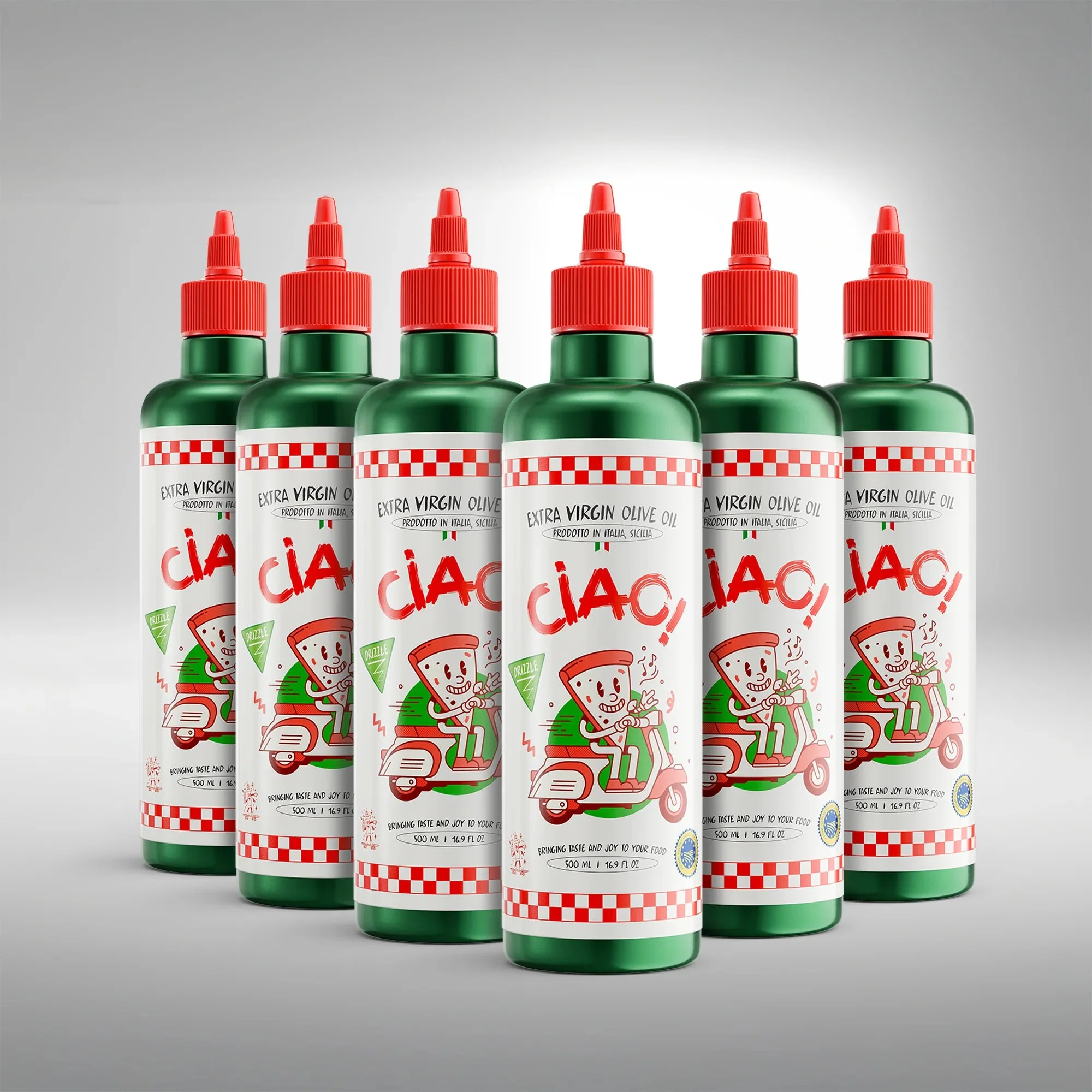
Ciao Sicily olive oil
Converting to organic production doesn’t have to be an all or nothing proposition. Milton Vavassori, founder at Ciao! Sicily Extra Virgin Olive Oil, produces around 300,000 liters of olive oil in Sicily every year, and broad-scale conversion doesn’t make sense.
“We’ve chosen to certify key parts of our product line, like our finishing oils and infused oils, where purity and raw flavor truly matter,” Vavassori explains. “For our cooking oil, we made a strategic decision to not certify it organic. Cooking oil is typically used under heat, which naturally reduces many of the oil’s raw properties. For us, it’s about being smart with how and where organic matters most to our customers.”
The cost and work involved with becoming certified organic is an issue, but even small producers like Five Seeds Farms, are considering it. Five Seeds Farms co-founder Mike Seder previously explained, “We might be there accidentally because we haven't been adding any chemicals or doing anything like that, but I think we want to be a little more thoughtful and planful about it as we look forward."
Meeting Consumer Demand

Mary Mori, VP of quality and product at California Olive Ranch
But Vavassari knows that consumers are deeply interested in organic products.
“Health and wellness are growing priorities and part of a much bigger movement toward organics that we’re seeing,” he says. “Consumers are looking for real, clean, nutrient-rich ingredients, and organic extra virgin olive oil fits directly into that shift.”
Mary Mori, VP of quality and product at California Olive Ranch also notes the “strong demand for high-quality, sustainably produced olive oil.”
California Olive Ranch manages 5,000+ acres and collaborates with 50 grower partners, and has transitioned the entire ranch to regenerative organic certification “due to the complexity of managing different farming rules and needs simultaneously.”
An Economic Choice
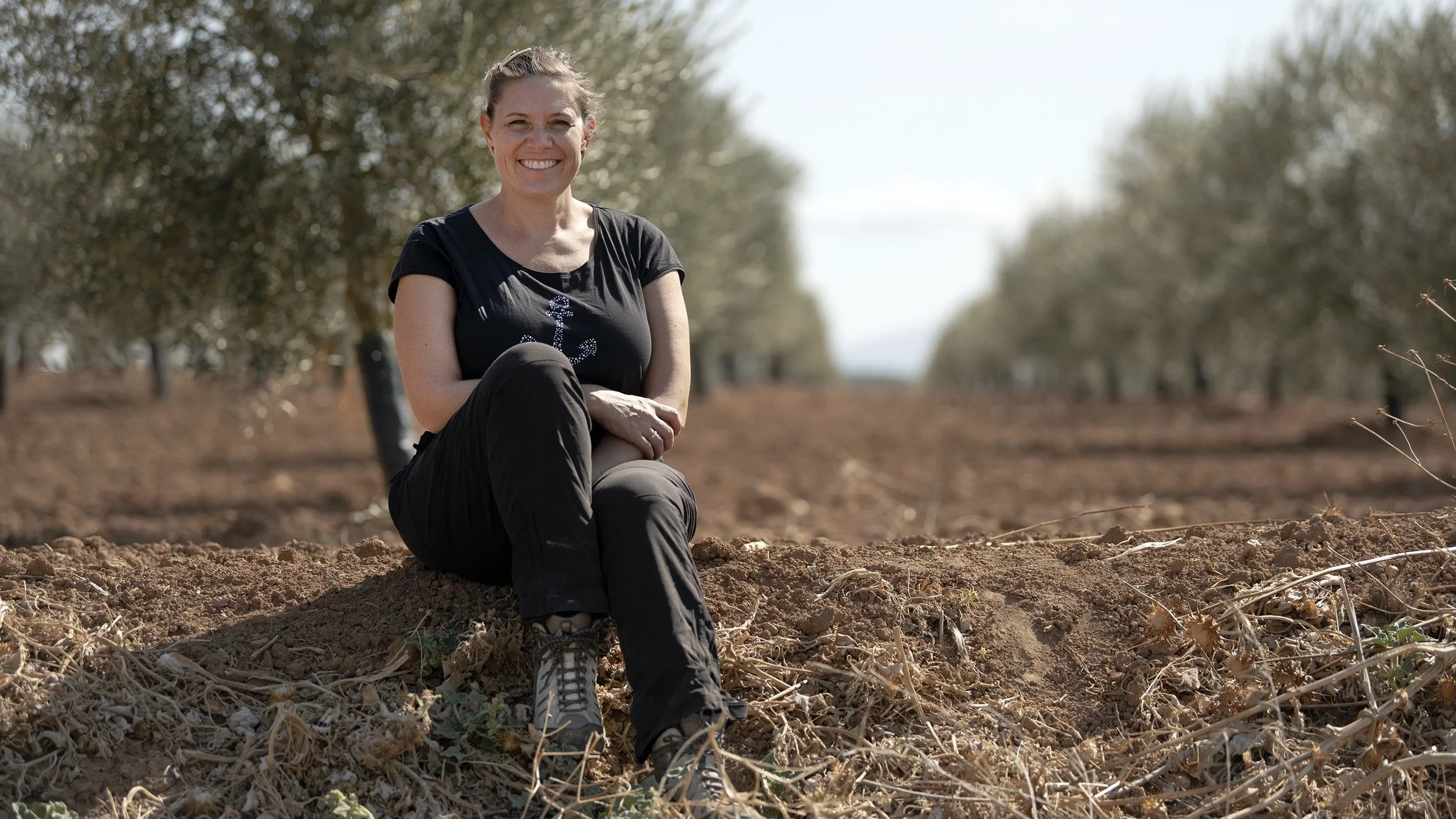
Alexis Kerner, founder Olive Oil Workshop
In the end, it is also about economics.
Alexis Kerner, an expert olive oil taster, consultant and founder of the Seville, Spain-based experiential educational Olive Oil Workshop, notes that some generalizations about olive oil production are not constructive—but that no matter what, converting probably is.
“Extra virgin olive oils do not all have the same price of production,” Kerner says. “An oil produced from 200 year old trees in the Subbetica mountains from picuda trees will be more expensive than an oil made from intensive arbequina production where water and topography is not an issue. It’s comparing apples to oranges.”
In some cases, Kerner says, conversion is the only way to stay in business.
“The only way some of these farmers can have a more competitive price point is to produce organic and be able to ask for a higher price,” she says. “Sustainability goes beyond wanting to care for the environment, it’s economics.”
The global organic olive oil business was valued at $932.6 million in 2021, and is projected to reach $2.2 billion by 2031, according to findings from Allied Market Research.
Mori notes that from the team at California Olive Ranch has observed, while organic farming is “slightly more expensive” than conventional, consumers are willing to pay.
Vavassori agrees that the stricter farming practices require a more serious financial investment, it also means more time in the olive grove.
“But for us, the long-term value is there,” he says. “Being organic allows us to offer a premium product that today’s consumers are actively seeking.”